
American Dressing Recipe – Creamy Thousand Island with Relish
Directions 👩🍳
Tap the map & cook step-by-step
American Dressing: mild, creamy, and the classic all-rounder for crisp salads
American dressing is one of those simple classics that can make an everyday salad feel instantly more complete, more comforting, and far more craveable. With its creamy base, gentle tang, light sweetness, and mild paprika-onion note, it sits somewhere between a classic salad dressing and a soft diner-style burger sauce. That is exactly why it works so well with crunchy lettuce, coleslaw, chopped salads, sandwiches, and casual lunch bowls. A really good American dressing should taste smooth, balanced, and properly emulsified, never too thick, too sweet, or separated into oily layers. Done right, it feels familiar, easy to love, and versatile enough for everyday use.
Why American dressing works so well
- Mild and crowd-friendly: American dressing is creamy and approachable, which makes it easy to pair with many salads and sandwich-style dishes.
- Balanced sweet-tangy profile: Vinegar brings freshness, mustard adds lift, and a little sweetness rounds the edges so the dressing never feels harsh.
- Great texture for crisp salads: A good American dressing lightly coats lettuce and vegetables instead of weighing them down.
- Very versatile: It works with iceberg, romaine, coleslaw, chopped vegetables, burgers, wraps, and lunch bowls.
- Quick homemade payoff: A few basic pantry ingredients create a dressing that feels fresher and more personal than many bottled versions.
High-Value Tips: How to make American dressing really good
- Start with the creamy base first: Whisk mayo, vinegar, and mustard together before adding the seasonings. That creates a smoother foundation and helps the flavor stay balanced.
- Add sweetness carefully: Sugar should soften the acidity, not make the dressing taste sugary. The result should stay savory and lightly tangy.
- Use paprika and onion powder with control: These ingredients give American dressing its classic mellow depth, but too much can make it taste dusty or overly seasoned.
- Thin gradually: Milk or water should be added little by little until the dressing is pourable but still creamy. Too much liquid makes it weak and loose.
- Moisture control matters: The dressing should coat leaves evenly, not flood the bowl. A slightly lighter consistency is good, but it should never feel watery.
- Season clearly: Salt and pepper matter more than many people expect in a mild dressing. Without them, the flavor can turn flat very quickly.
- Let it chill briefly: A short rest in the fridge helps the mustard, paprika, onion powder, and vinegar settle into a smoother, rounder flavor.
- Shake or whisk again before serving: Even a stable dressing can settle slightly, so a quick re-mix brings back the best silky texture.
- Keep the profile gentle: American dressing is strongest when it stays mild, creamy, and balanced rather than trying to be too sharp or too rich.
Variations & alternatives
- Classic American dressing: Mayo, vinegar, mustard, sugar, paprika, onion powder, salt, pepper, and a little milk or water for the classic creamy diner-style result.
- Coleslaw-friendly version: Keep it a little thicker so it clings better to shredded cabbage and carrots.
- Lighter version: Thin it a little more and reduce the sweetness slightly for a fresher salad-forward finish.
- With garlic powder: A small amount adds more savory depth without changing the mild core too much.
- With relish or chopped pickles: This pushes it slightly toward burger-sauce territory and works especially well for sandwiches.
- Spicier version: A pinch of cayenne or a dash of hot sauce adds edge while keeping the classic creamy profile intact.
Serving ideas / pairings
- Crisp green salads: American dressing works especially well with iceberg, romaine, chopped lettuce, cucumber, and tomato.
- Coleslaw: It is a strong match for cabbage-based salads because the creamy mild sweetness balances the raw crunch beautifully.
- Burger and sandwich spread: Use it as a dressing or soft sauce layer for burgers, wraps, and deli-style sandwiches.
- Lunch bowls: It pairs well with chicken, corn, beans, chopped vegetables, and simple grain bowls.
- Buffet salads: Its familiar creamy flavor makes it a reliable choice for crowd-pleasing salad tables.
Storage, Meal-Prep & Reheating
American dressing is excellent for meal prep because it can be mixed ahead and used over several meals. Store it in a sealed jar or airtight container in the fridge and stir or shake again before serving so the texture turns smooth and glossy again. If it thickens too much after chilling, add a very small splash of milk or water and mix until pourable. This dressing is meant to be served cold or cool, so reheating is not needed.
FAQ
Why is my American dressing too thick?
It likely needs a little more milk or water. Add the liquid gradually so it becomes pourable without turning thin.
How do I make it less sweet?
Use less sugar and increase the vinegar or mustard slightly to keep the dressing cleaner and fresher.
Can I make American dressing ahead?
Yes, very well. It is ideal for preparing in advance and using over several salads or bowls.
What makes American dressing taste balanced?
The best balance comes from creamy mayo, a little vinegar, mild mustard, measured sweetness, and clear seasoning.
What does American dressing pair best with?
Crisp salads, coleslaw, burgers, wraps, chopped vegetables, and casual lunch bowls all work especially well.
Best Salad Dressings Recipes to Try at Home

Pineapple Chili Chutney
Bright pineapple with chili, ginger and warm spices—simmer until jammy; a make-ahead condiment for curries, grilled meats, sandwiches and cheese plates.
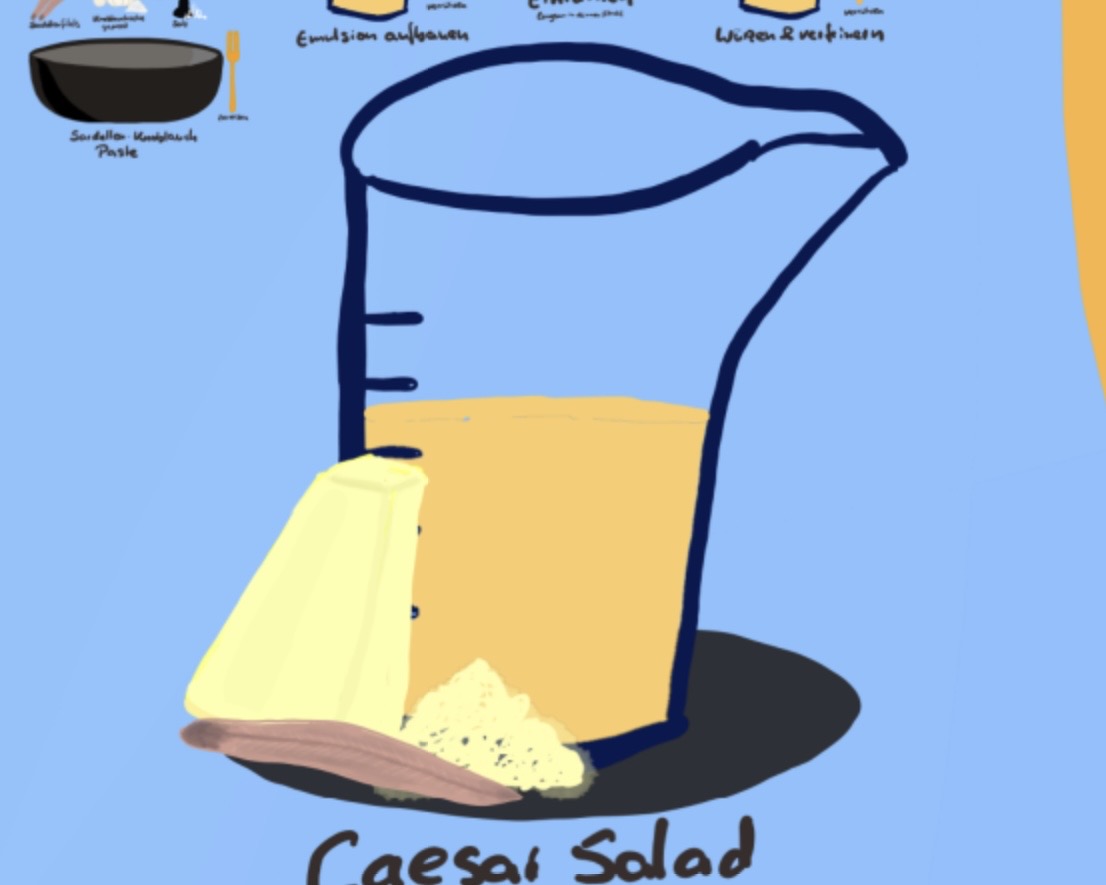
Caesar Salad Dressing
Rich, garlicky Caesar—anchovy, parmesan and lemon balanced to a silky emulsion; yolk-free option with mayo, thickness tweaks and storage guidance included.

Asian Vinaigrette
Speedy jar-shake dressing with sesame, soy, ginger and lime—balanced, pourable and weeknight-ready; perfect for salads, slaws, grain bowls and cold noodles.

Jackies Vinaigrette
Signature vinaigrette with red wine vinegar, Dijon and shallot—reliable 3:1 ratio, quick to shake, easy to scale; great on greens, grains and roasted vegetables.

Creamy Vinaigrette
Light-creamy dressing with yogurt/mayo, lemon and Dijon—whisks smooth, clings to leaves; herb options, sweetness to taste; versatile for salads and bowls.
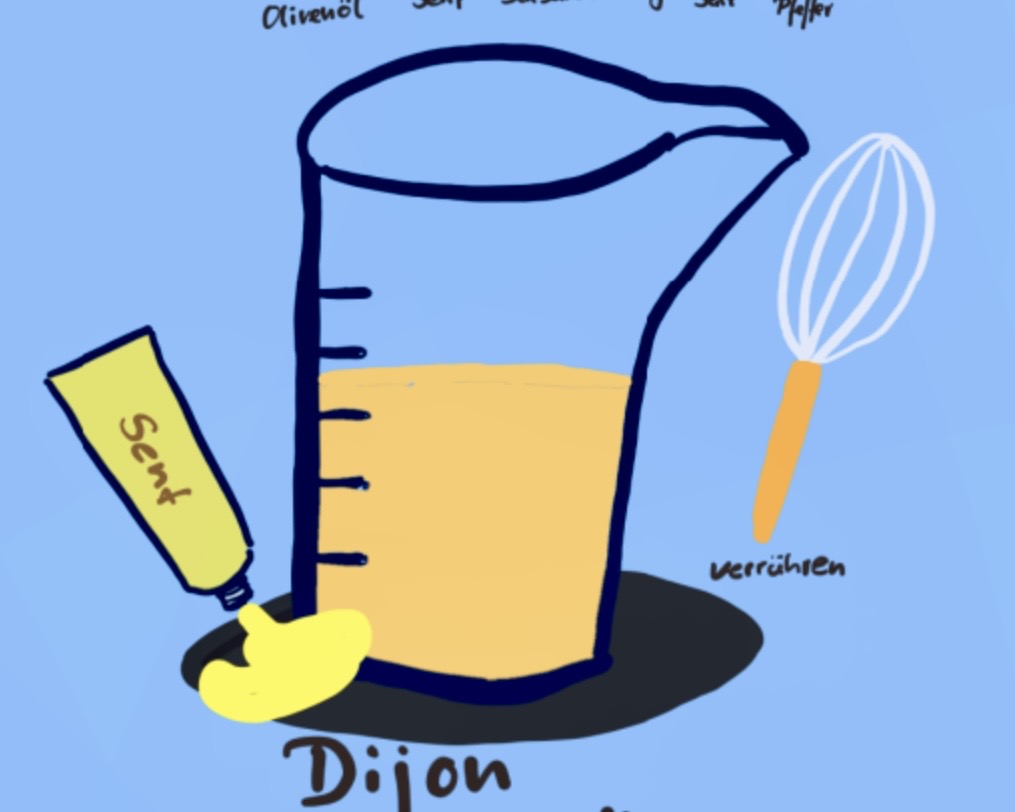
Dijon Vinaigrette
Go-to Dijon vinaigrette using the 3:1 method—whisks glossy and holds; tweak lemon, vinegar or honey to taste; toss with greens, grains or roasted vegetables.
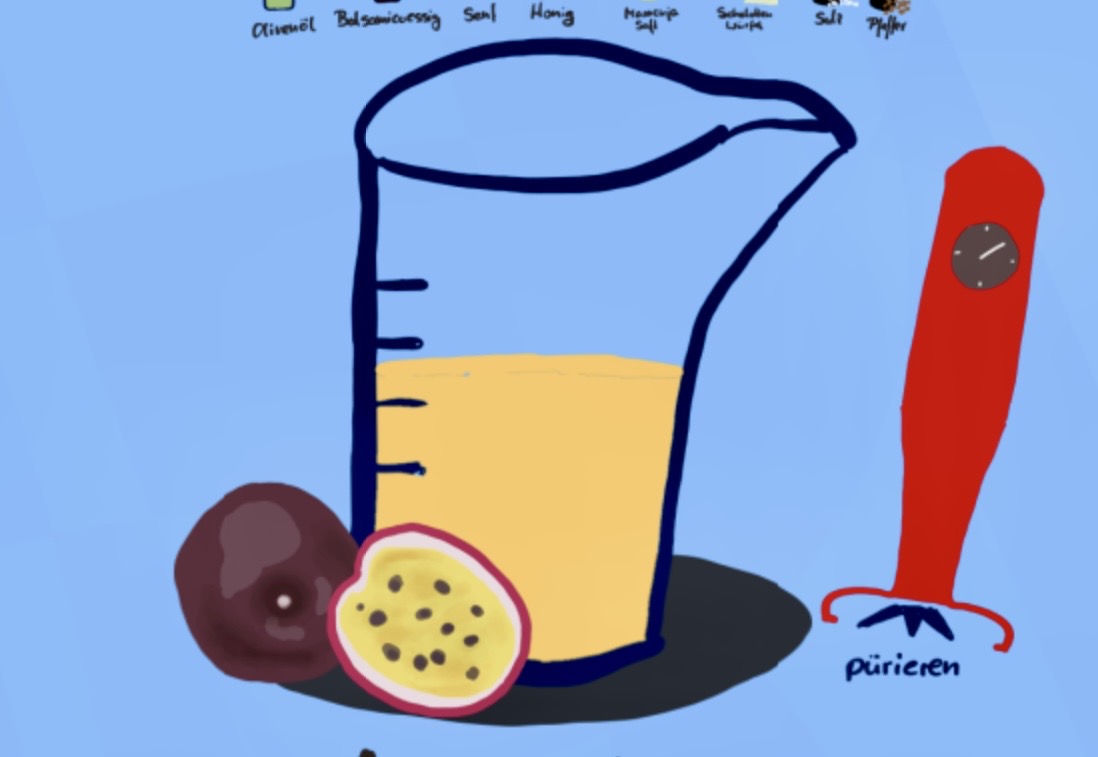
Passion Fruit Vinaigrette
Tropical passion fruit vinaigrette with olive oil, lime and a touch of honey—shakes smooth, clings to greens; great on shrimp, chicken, grain bowls; stores well.

French Dressing
Steakhouse-style French dressing—ketchup, vinegar, oil and paprika blended silky; adjustable sweetness, kid-friendly; great on chopped salads, burgers and subs; refrigerates well.
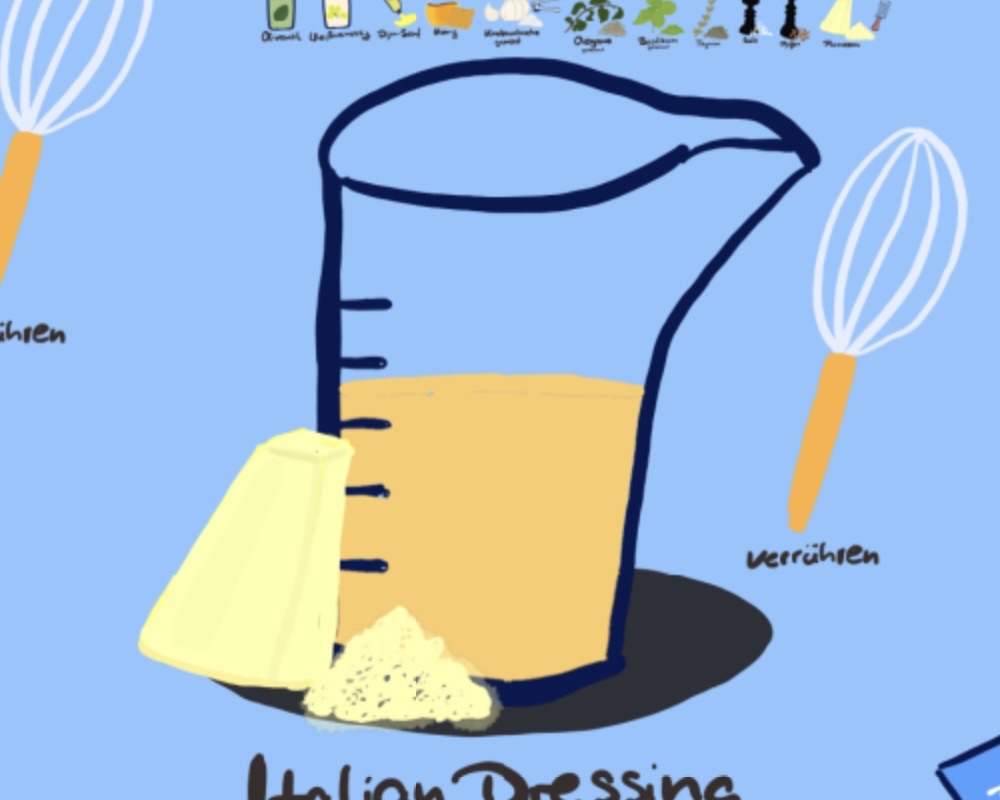
Italian Dressing
Herb-garlic Italian with red wine vinegar—whisks glossy, clings to leaves; great for salads, pasta salad and chicken/veg marinades; pantry-staple, easy to scale.

Yogurt Dressing
Greek yogurt, lemon and Dijon whisked smooth with herbs—light yet satisfying; great for green salads, cucumber salad and grain bowls; quick to make, stores well.