
Soup Recipes: Creamy Bowls and Serving Ideas
Cook along on the interactive map
Soup recipes for a small starter or a full bowl

A smooth tomato soup and a spoonful of pumpkin soup offer two very different kinds of richness. One is bright and tangy; the other brings a softer sweetness and warm spice. Start with the flavor you want, then decide whether the soup will open a meal or take the center of the table with bread and a side.
Choose a flavor before choosing a topping
Italian tomato soup combines tomatoes with cream, basil, white wine, and Parmesan. It suits a creamy bowl with a clear tomato flavor and crisp toast alongside. For a rounder, gently sweet direction, Hokkaido pumpkin soup pairs squash, potatoes, and carrots with coconut milk and curry. These are distinct recipes, so check their ingredients rather than assuming every creamy vegetable soup uses the same base.
Smooth, chunky, or somewhere between
A blended soup puts its flavor into each spoonful, while a soup with pieces gives you separate bites of vegetables or other additions. Choose a texture that fits the meal. A smooth bowl welcomes a little crunch; a chunky soup may need only bread to dip. For blended soups, cook the vegetables until tender first and use a blender approved for hot food. Hot soup does not belong in a sealed smoothie cup.
Build the meal around the bowl
Try tomato soup with freshly toasted bread and basil at the table. Pumpkin soup works well with a piece of hearty bread and a crisp side salad. Keep bread and dry toppings separate until eating so they retain their bite. For a starter, serve a smaller bowl and leave room for the next course; for supper, make the bread and sides part of the plan.
Prepare the soup, finish the table later
Have bowls, serving spoons, and toppings ready before the soup is finished. If cooking ahead, cool soup promptly in shallow containers and refrigerate it; do not leave a large pot to cool slowly on the counter. Reheat thoroughly throughout, stirring as you go. Add fresh herbs and crisp bread close to serving.
Frequently asked questions
Which soup should I choose for a creamy texture?
Both linked recipes are blended. Tomato soup uses cream; the pumpkin version combines coconut milk with potatoes and other vegetables.
Are these vegetable soups automatically vegan?
No. The tomato soup includes cream and Parmesan, and the pumpkin soup includes butter. Check each recipe and any suggested adaptations.
What can I serve beside soup?
Bread supplies a different texture, and a separate salad adds a crisp contrast. Choose sides according to whether the soup is a starter or the main meal.
Can I prepare toppings ahead?
Prepare them separately and store each appropriately. Keep perishable toppings chilled and dry toppings away from soup until serving.
Minestrone with spaghetti, bacon and basil

A bowl of minestrone, a little grated Parmesan and plenty of basil: that makes a comforting lunch. This version is packed with vegetables, potatoes and spaghetti, with bacon adding a savory bite. Bring the pot to the table and let everyone help themselves.
What goes into this minestrone
Onion, carrot, celery stalks and garlic give the soup its savory base. Floury potatoes, green beans and zucchini add soft pieces to the tomato broth, while spaghetti makes it more filling. Bacon, butter and olive oil bring richness. San Marzano tomato, tomato paste and vegetable broth powder build the broth; fresh basil, Parmesan, salt and black pepper finish it.
Give each vegetable the cooking it needs
Rinse the vegetables and basil under running water. Peel the onion, garlic, carrots and potatoes, trim the celery and zucchini, and cut the vegetables into small pieces that fit comfortably on a spoon. Trim and cut the green beans separately. Chop the tomato and keep its juice. Cut the bacon into small pieces, keeping it refrigerated until needed. Wash hands, knives and boards after handling raw bacon and keep it away from the washed basil and bread.
Boil the fresh green beans in a separate pot of water for at least 30 minutes, counting from when the water returns to the boil. Drain them afterward. Raw green beans contain the harmful lectin phasin; do not taste them raw, and do not replace this cooking step with a quick blanch or gentle steaming.
Warm the olive oil in a soup pot and cook the bacon until it releases some fat. Add the butter, onion, carrot and celery and soften gently. Stir in the garlic, then the tomato paste, letting it heat through without catching on the bottom. Add the chopped tomato with its juice and the potatoes. Prepare the vegetable broth powder with water as directed on its package and add enough broth to cover the vegetables generously.
Bring to a boil, then simmer until the potatoes are nearly tender. Add the spaghetti, breaking it into shorter pieces if you like, and stir so it does not clump. Add the zucchini and continue cooking until the pasta is done and the potatoes and zucchini are tender. Follow the pasta package as a guide and check the pieces themselves. Add water as needed: the spaghetti should stay covered, with enough broth left for a soup.
Fold in the drained, thoroughly cooked beans and heat the soup through. The bacon must be fully cooked; check with a food thermometer that it reaches at least 158°F (70°C) for 2 minutes. Tear the basil over the soup and add Parmesan at the table. Taste before adding salt and pepper, since the bacon, broth and cheese already bring seasoning.
Serve with Parmesan and crisp bread
Give the pot a gentle stir before ladling so every bowl gets some pasta, vegetables and bacon. Our whole-grain Toast is good for dipping into the tomato broth. Toast it near serving time and keep it beside the bowl so it stays crisp until you want it.
Let the tomato paste deepen the flavor
Stir the tomato paste through the softened vegetables before adding the liquid. A little sizzling brings out its savory flavor, but blackened patches will taste bitter. Once the tomato and broth go in, loosen any golden residue from the bottom with a wooden spoon.
Make your own bowl a little spicier
A pinch of chili flakes is an optional addition if you like some heat with the tomato and bacon. Add it to your bowl first, then taste with a spoonful of broth and Parmesan. That way the rest of the pot can stay mild.
Cook the pasta separately when making soup ahead
Spaghetti keeps absorbing liquid as it sits. If you are cooking ahead, prepare it in a separate pot according to its package and combine it with the soup when serving. Cool and refrigerate both promptly in separate containers. Keep the basil and Parmesan chilled separately, too, and add them to the reheated portions.
Frequently asked questions
Can I cook the green beans just as long as the spaghetti?
No. Fresh green beans need the full boiling step described above. Boil them separately, then add them to the soup once the pasta and the other vegetables are ready.
Why has the soup become so thick?
Spaghetti absorbs broth, and floury potatoes release starch as they soften. Stir in a little water to loosen the soup, then taste before seasoning again.
How do I cool and reheat leftovers?
Refrigerate promptly in shallow containers, within 2 hours, or 1 hour above 90°F (32°C). Reheat the soup to a rolling boil, stirring gently, and check with a food thermometer that the pieces reach 165°F (74°C). Add water if the pasta has absorbed much of the broth.


Creamy bowls and crisp toppings

Tomato Mozzarella Salad
Fresh Delight in Every Bite!

Champignon Salad
Fresh Flavors, Naturally Perfect!

Bacon-Wrapped Dates
Sweet Meets Savory: The Perfect Bite!

Cheeseburger
Get closer to heaven with some yummy burgers!

Chorizos
Spice Up Your Grill with Flavorful Sizzle

Grilled Chicken Breast
Grilled to Perfection, Packed with Flavor!

Grilled Corn on the Cob
Golden kernels, smoky taste!

Grilled Pizza Rolls
The Ultimate BBQ Snack You Didn’t Know You Needed!

Focaccia for BBQ
The Perfect BBQ Sidekick!

Aioli
Where Taste Meets Creamy

Rhubarb Crumble
Sooo yummmmmyyy!

Whiskey Sour
The Classic Cocktail That Never Goes Out of Style

Malbec
Bold Flavor, Rich Character
Best Soups Recipes to Try at Home

Chicken Soup
Explore chicken soup with onion, garlic, carrot, and celery. Learn how gentle simmering, a thermometer check, and careful cooling support a good bowl.
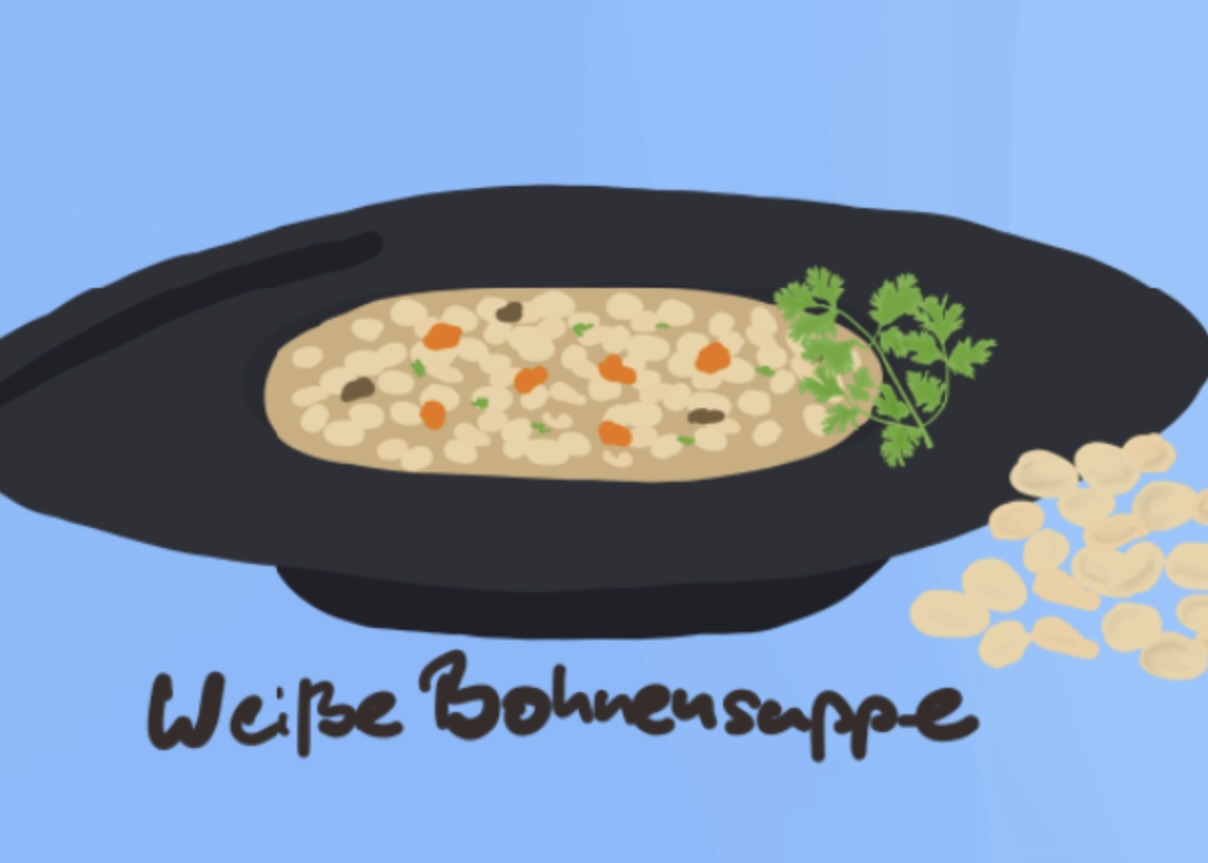
White Bean Soup
Make white bean soup with cooked beans, onion, garlic, and celery. Learn how partial blending gives it body while leaving whole beans in every bowl.

Gazpacho
Cool gazpacho with tomatoes, cucumber and bell pepper. Blend, chill and season the soup, then serve it with diced vegetables and crisp whole-grain toast.
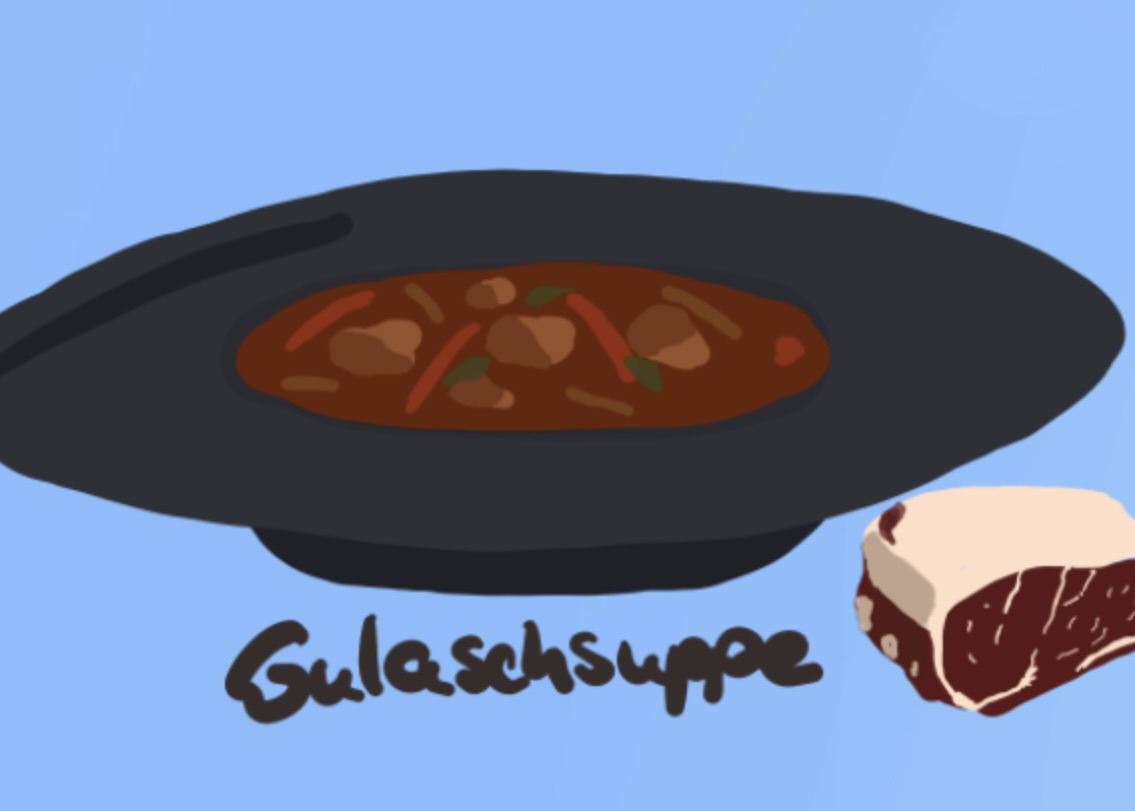
Goulash Soup
Tender beef, onions and paprika give this goulash soup its hearty flavor. Learn how to build a rich broth, choose vegetables and serve a warming bowl.
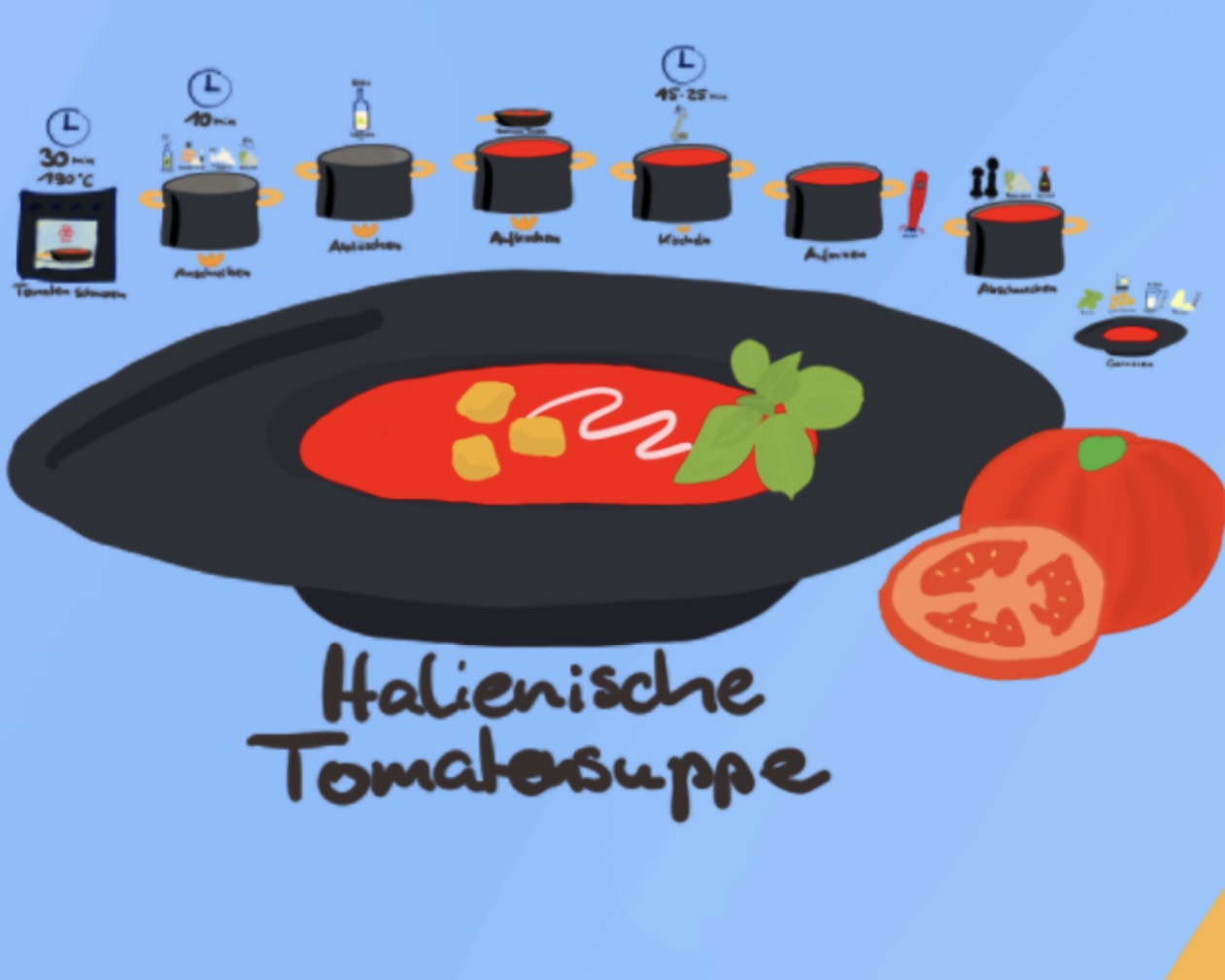
Italian Tomato Soup
San Marzano tomatoes, shallots, white wine and cream make a smooth tomato soup. Basil, Parmesan and whole grain toast add fresh flavor and a crisp bite.
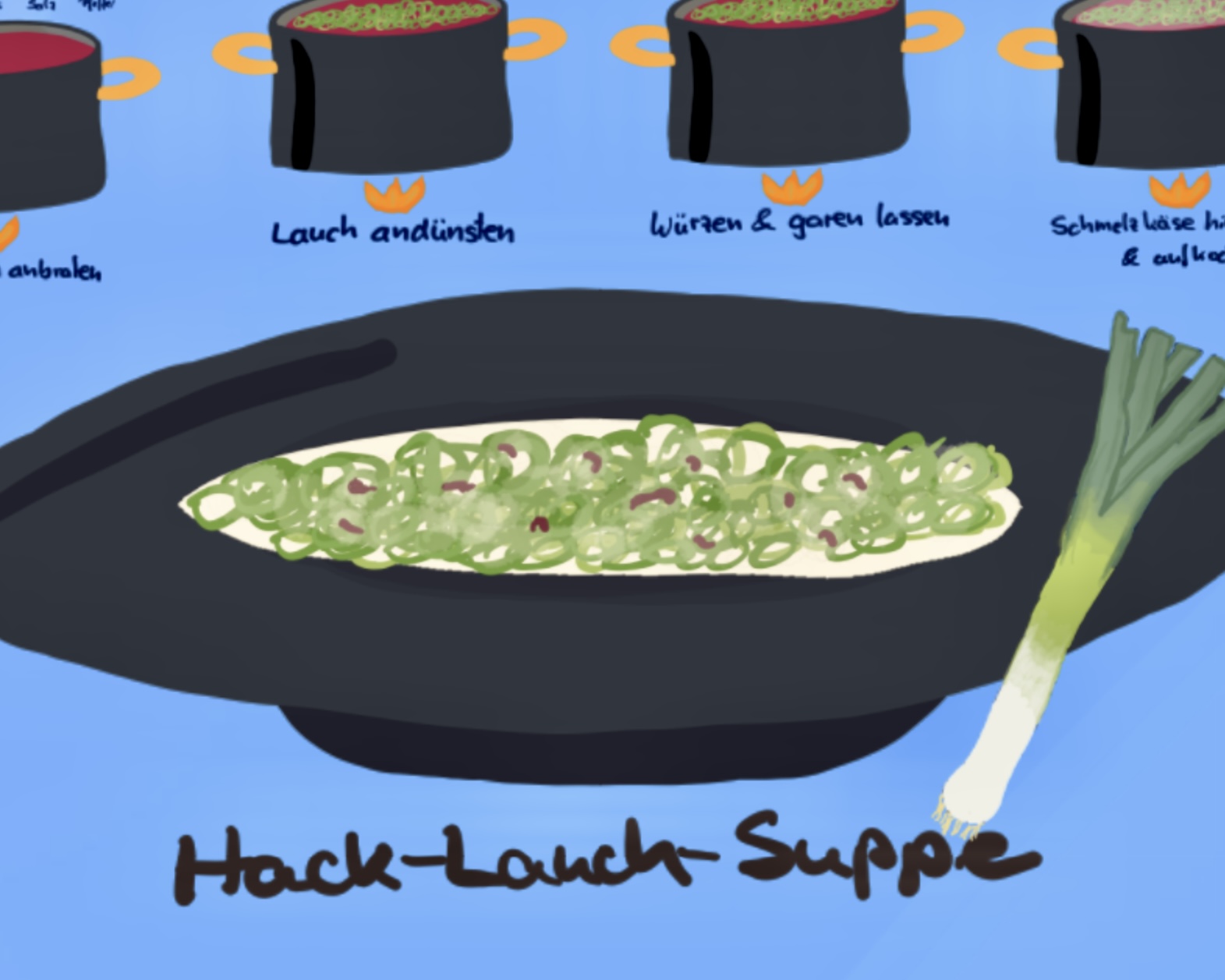
Cheese leek soup with mince
Make hearty ground beef and leek soup with potatoes, marjoram and oregano. Learn how to brown the beef, wash leeks and cook the potatoes until tender.

Hokkaido Pumpkin Soup
Make creamy Hokkaido pumpkin soup with coconut milk, curry, carrots and potatoes. Learn how to cook the vegetables until tender and blend them carefully.
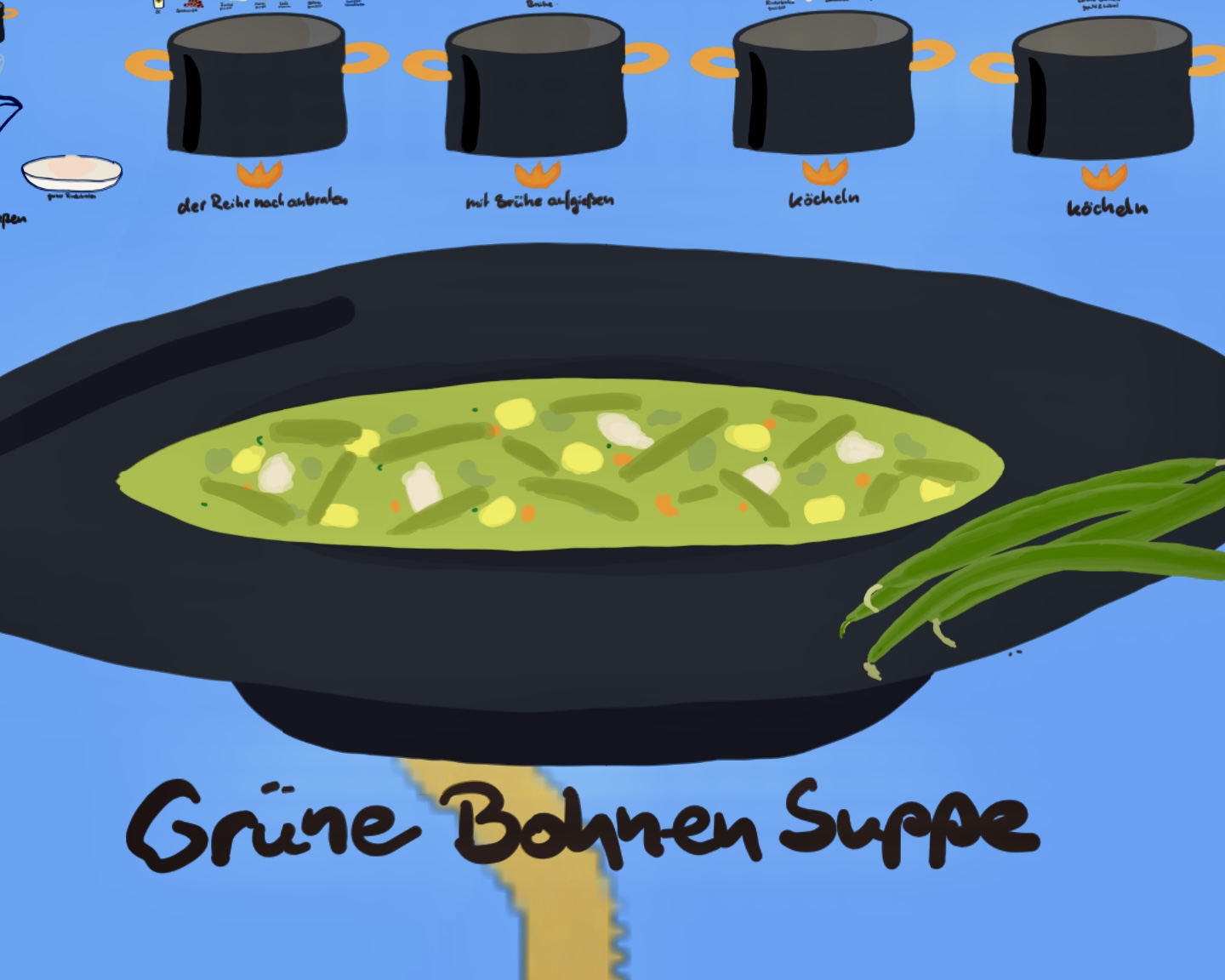
Green Bean Soup
Hearty green bean soup with tender beef, bacon and potatoes. Cook the beans thoroughly, build a flavorful broth and finish with herbs, vinegar and crisp toast.

Potato soup
Potato soup with Wiener sausages, carrot, leek and fresh herbs. Gently mash floury potatoes for a thick, comforting bowl and serve with crisp whole-grain toast.
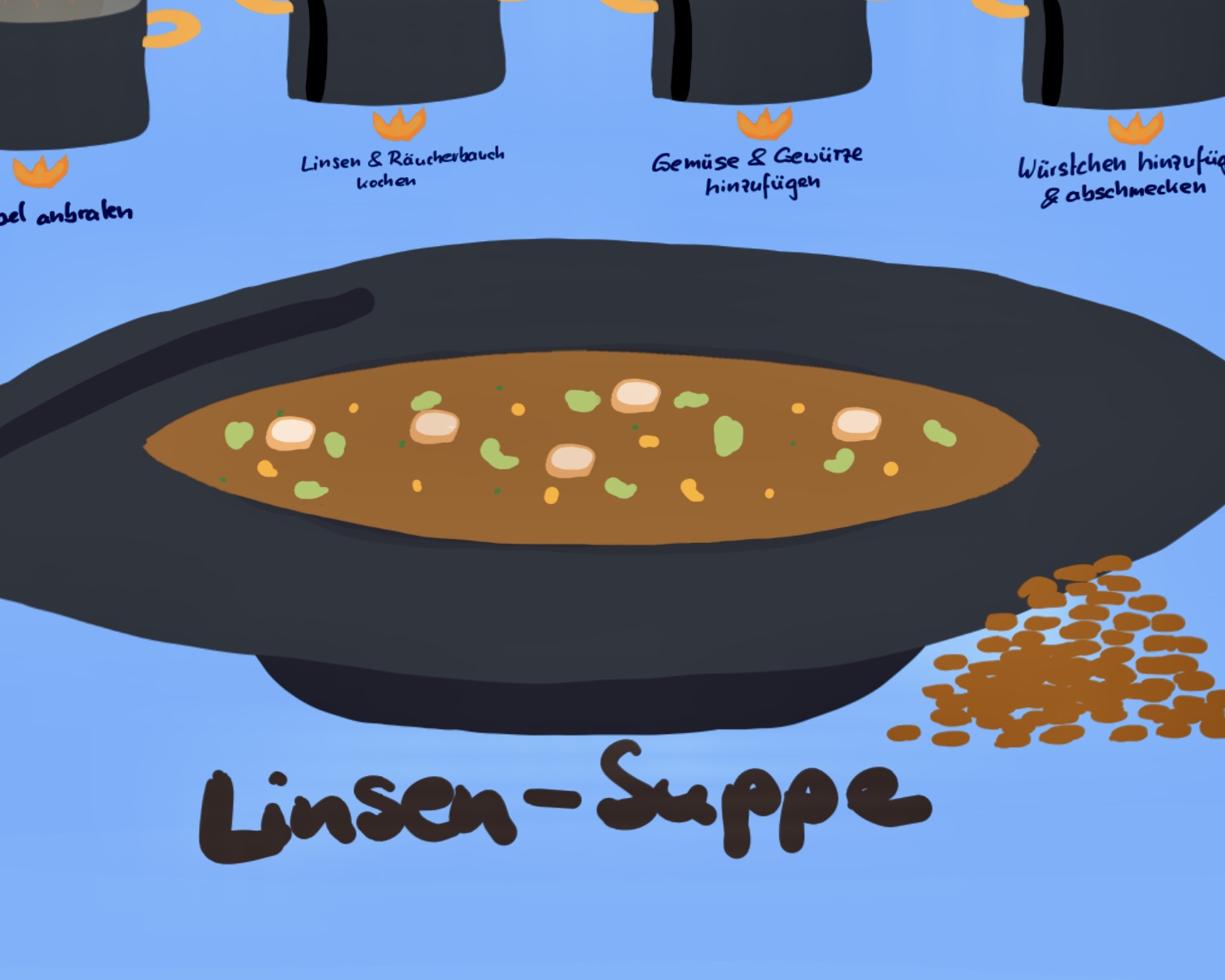
Lentil soup
Brown lentils, potatoes, bacon, and Wiener sausages make a hearty soup. Learn how to keep the lentils tender and balance the broth with balsamic vinegar.
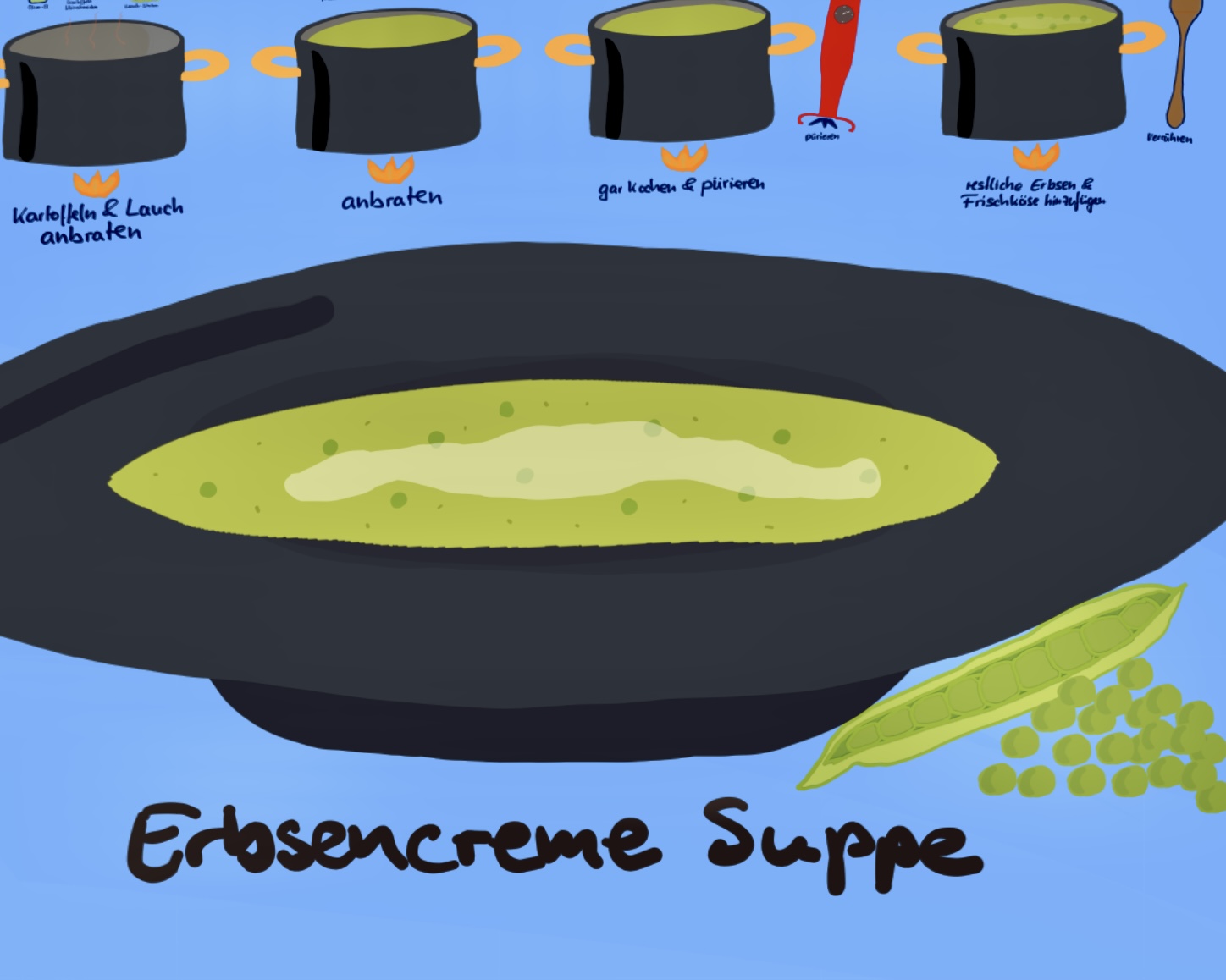
Pea Soup with herb cream cheese
Sweet peas, potatoes and leek make a cozy soup with herb cream cheese and horseradish. Find tips for smooth blending, gentle seasoning and a bread pairing.

Pea Soup
Make creamy pea soup with dried, fresh, or frozen peas, onion, garlic, and marjoram. Find the right texture, with optional bacon, ham, or a little cream.
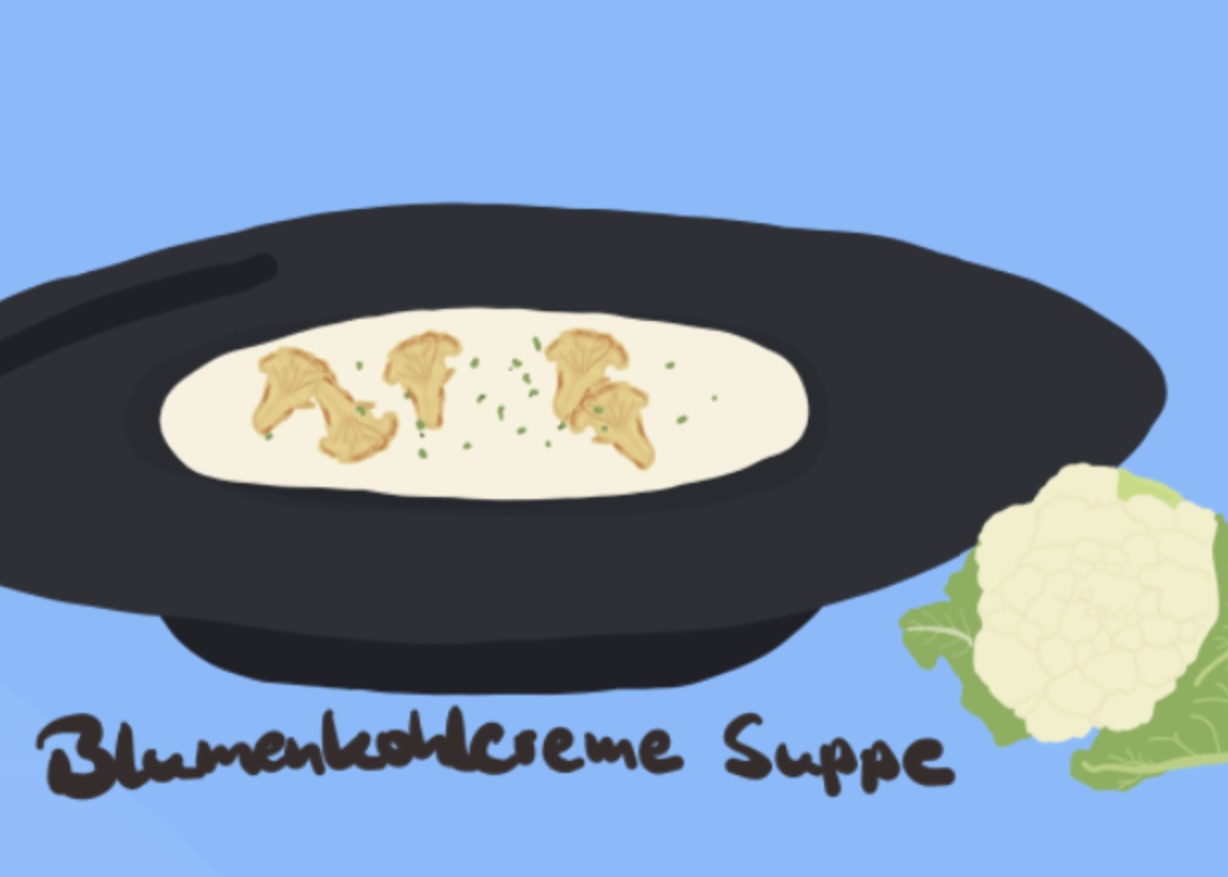
Cauliflower Cream Soup
Make mild cauliflower cream soup with butter, broth, and cream or milk. Learn how to get a smooth texture, balance the nutmeg, and choose a side to serve.

Red lentil soup with coconut milk
Cook red lentils with curry, cumin, and creamy coconut milk, then finish with lime and herbs. Find texture tips and serving ideas for a warmly spiced soup.
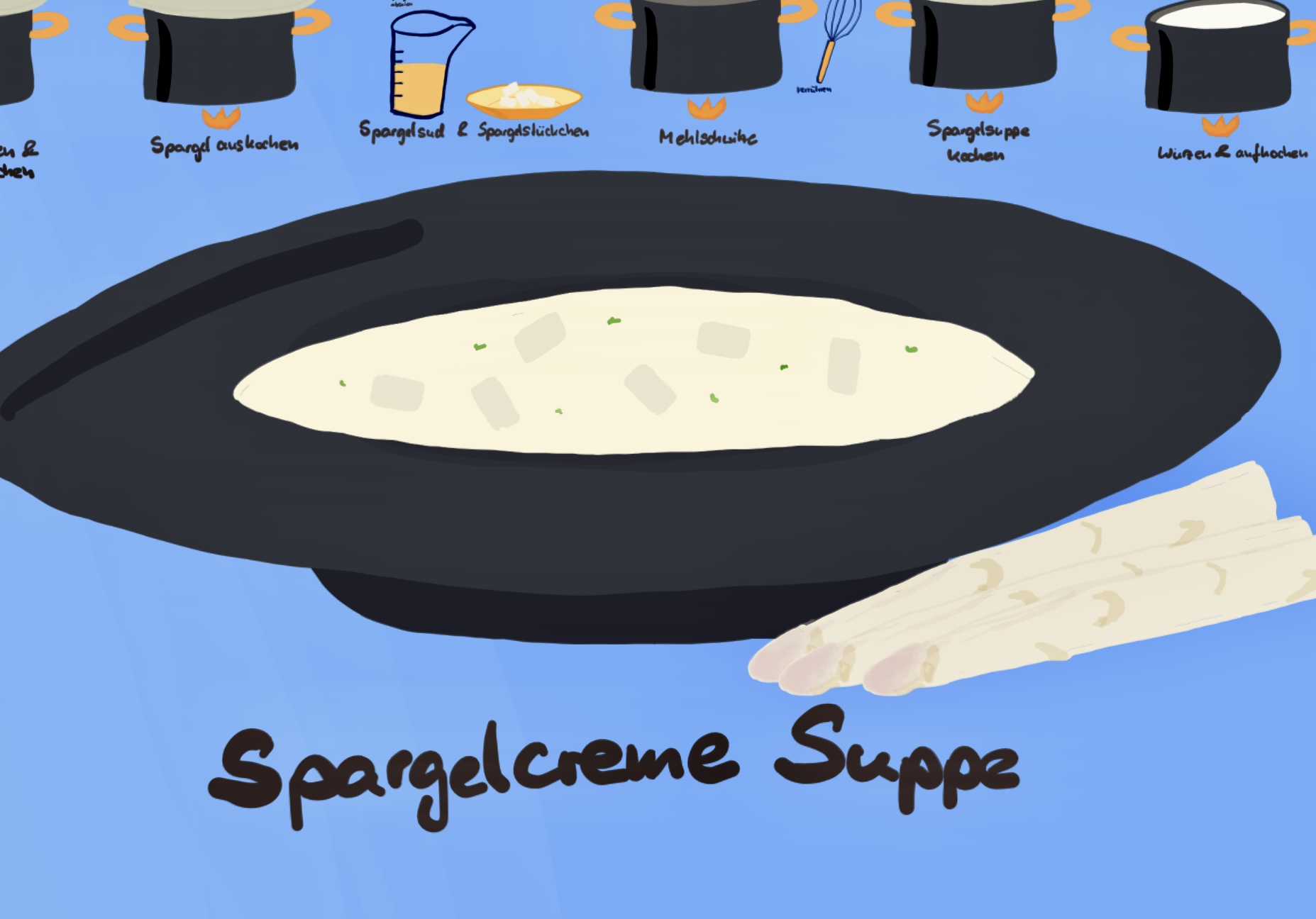
Cream of Asparagus Soup
Creamy white asparagus soup with sour cream, egg, cooked ham and cress. Peel, blend and finish gently for a smooth bowl with lemon and crisp toast alongside.
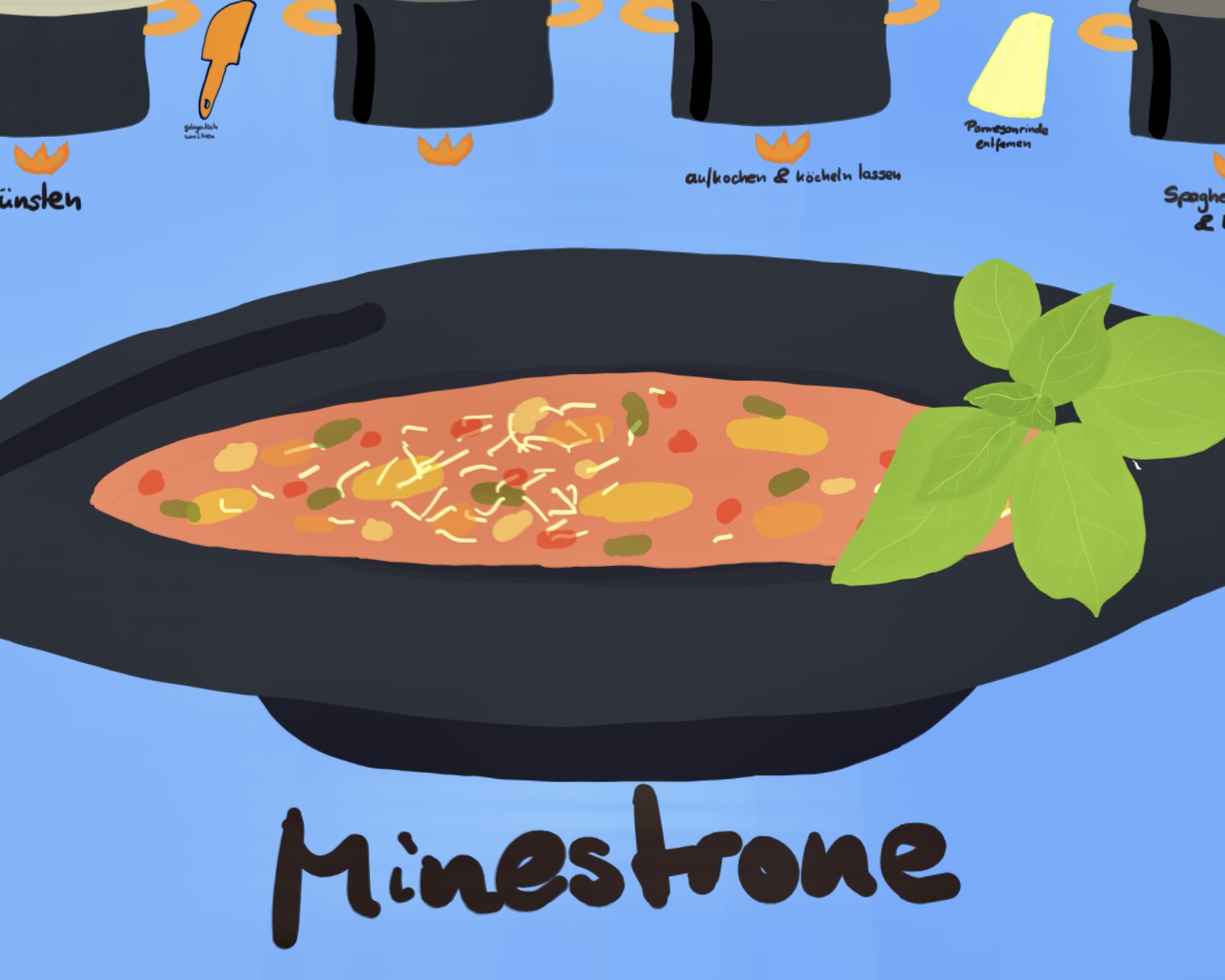
Minestrone
Minestrone with spaghetti, bacon and plenty of vegetables. Cook each ingredient until tender, then finish the tomato broth with fresh basil and Parmesan.
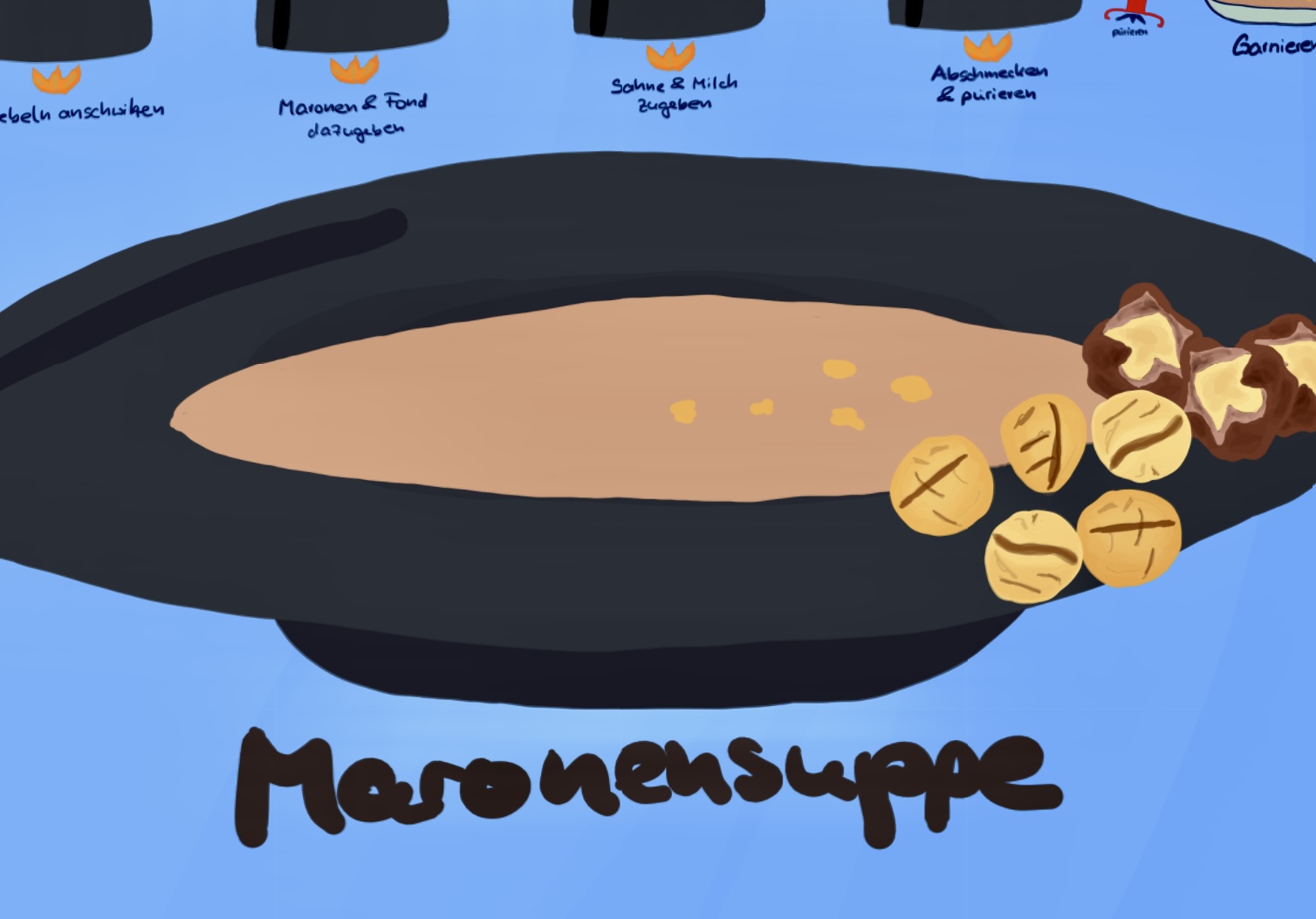
Chestnut Soup
Cooked chestnuts, onion, cream, and milk make a smooth, gently sweet soup. Discover how to balance the cinnamon and get a creamy texture that still pours.

Cream of Champignon Soup
Make cream of mushroom soup with browned mushrooms, shallots, and thyme. Explore smooth or chunky texture, toast on the side, and safe blending and reheating.

Bouillabaisse
Make bouillabaisse with tender fish in a tomato, fennel, and saffron broth. Learn how gentle cooking keeps the pieces intact, and serve with bread.

Red beet soup with horseradish
Make smooth beet soup with onion, broth, and a horseradish finish. Learn how to balance its texture and heat, blend safely, and serve it with warm bread.

Cassoulet
Tender beans, browned sausage, and meat simmer into a rich cassoulet. Learn how to keep the beans intact and the sauce thick, with bread and salad to serve.

Celeriac soup
Make smooth celeriac soup with onion, garlic, broth, and nutmeg. Learn to judge tenderness, blend safely, and choose toppings for a little crunch.
Soljanka
Make tangy Soljanka with pickles, meat or sausage, and tomato paste. Balance brine and lemon, handle the meat safely, and finish each bowl with sour cream.
Miso Soup
Make savory miso soup with tofu, wakame and scallions. Find tips for smooth miso, gentle stirring, easy variations and reheating leftovers.
Ramen Soup
Build a ramen bowl around savory broth and springy noodles. Learn how to handle toppings safely, keep noodles separate, and prepare components ahead.