
Gazpacho Recipe: Chilled Spanish tomato soup
Instructions 👩🍳
Cook along on the interactive map
Step-by-step:
- Prep vegetables: Chop tomatoes, cucumber, bell pepper, onion, and garlic.
Show all steps...
- Blend: Blend with olive oil and a splash of vinegar until smooth.
- Season: Season with salt, pepper, and more vinegar if needed.
- Chill: Refrigerate at least 1 hour until very cold.
- Serve: Serve with diced veggies, croutons, or a drizzle of olive oil.
Gazpacho: chilled tomato soup that is bright, silky, and made for hot days
Gazpacho is the ultimate no-cook summer soup: cold, refreshing, and full of real vegetable flavor. At its best, gazpacho tastes clean, vibrant, and balanced—not watery, not overly acidic, and not just like blended salad. The secret is using ripe ingredients, controlling the liquid, and giving the soup enough time to chill so the flavors settle. Whether you serve it as a light lunch, a starter for guests, or part of a summer brunch spread, gazpacho delivers freshness with almost no heat and very little effort.
Why gazpacho works so well
- No-cook flavor: Fresh tomatoes, cucumber, pepper, and olive oil stay bright and lively.
- Perfect for hot weather: It is cooling, hydrating, and light while still feeling satisfying.
- Fast but elegant: Minimal cooking, maximum payoff—great for casual meals or polished starters.
- Easy to customize: You can go classic, spicier, smoother, chunkier, or more cucumber-forward.
- Make-ahead friendly: Gazpacho actually improves after chilling, which makes it ideal for prepping ahead.
High-value tips: How to make gazpacho really good
- Use ripe tomatoes: Gazpacho depends heavily on the quality of the tomatoes. Sweet, juicy, ripe tomatoes give depth without needing much correction.
- Moisture control is key: Cucumbers and tomatoes release a lot of water. Start with less added liquid and adjust only after blending and chilling.
- Blend for texture, not forever: Blend until smooth, but do not overwork it so much that it becomes foamy. For an extra-refined texture, strain it.
- Use bread wisely: A small amount of soaked bread gives body and helps emulsify the soup, but too much can make it heavy or pasty.
- Good olive oil matters: Olive oil is not just garnish here—it gives mouthfeel and helps create a silky finish.
- Balance acid carefully: Tomatoes already bring acidity, so vinegar should lift the soup, not dominate it. Add a little, taste, then adjust.
- Chill long enough: Cold temperature is part of the recipe. Gazpacho tastes more balanced after proper chilling, not immediately after blending.
- Season boldly enough: Cold soups need slightly stronger seasoning than warm soups. Salt and pepper should feel clear, not timid.
Variations & alternatives
- Classic Andalusian style: Tomato, cucumber, bell pepper, garlic, olive oil, vinegar, and a little bread.
- Smoother, more elegant: Strain after blending for a silkier, more refined bowl.
- Chunkier version: Hold back some finely diced vegetables and stir them in at the end for texture.
- Spicy: Add a little chili, hot sauce, or a spicy olive oil drizzle for more edge.
- Green gazpacho twist: Use more cucumber, herbs, green grapes, or avocado for a fresh, softer profile.
- No-bread version: Skip the bread and rely on vegetables plus olive oil for a lighter, cleaner finish.
Serving ideas / pairings
- Classic toppings: Finely diced cucumber, bell pepper, onion, or tomato for freshness and bite.
- Crunch: Croutons, toasted seeds, or crispy chickpeas add contrast to the silky soup.
- Fresh finish: Basil, parsley, or chives depending on the style.
- Brunch-friendly: Serve in small glasses as a chilled starter with toast or grilled bread.
- Summer pairings: Great with tapas, grilled vegetables, sandwiches, or a simple cheese plate.
Storage, meal prep & reheating
Gazpacho should be stored in the fridge and served properly chilled. It keeps well for about 2–3 days, and the flavor often improves after a few hours or overnight. Stir before serving, because some separation is natural. If it has thickened too much, loosen it with a small splash of cold water or tomato juice. Gazpacho is generally not a great freezing soup, because fresh vegetables can lose their clean texture and flavor after thawing.
FAQ
Why does my gazpacho taste watery?
There was likely too much added liquid or very watery vegetables. Start with less liquid and adjust only after chilling.
How do I make gazpacho less acidic?
Use riper tomatoes, reduce the vinegar slightly, and add a little more olive oil or a small piece of soaked bread for balance.
Do I need bread in gazpacho?
Not necessarily. Bread helps thicken and emulsify, but you can skip it for a lighter, cleaner style.
How cold should gazpacho be served?
Properly chilled, but not icy. Very cold is refreshing, but too cold can mute the flavor.
Can I make gazpacho ahead?
Yes—gazpacho is one of the best make-ahead soups because chilling improves the overall balance and flavor.
Best Soups Recipes to Try at Home

Chicken Soup
Make flavorful chicken soup with tender chicken, vegetables and clear broth—tips for rich taste, less grease, plus storage and meal-prep ideas.
White Bean Soup
Discover white bean soup on yummy.world! Hearty, rustic soup—perfect with crusty bread.
Goulash Soup
Discover goulash soup on yummy.world! Hearty, warming soup with paprika depth—perfect for cold days.

Italian Tomato Soup
Discover Italian tomato soup on yummy.world! Creamy classic soup with rich tomato flavor—quick and cozy.
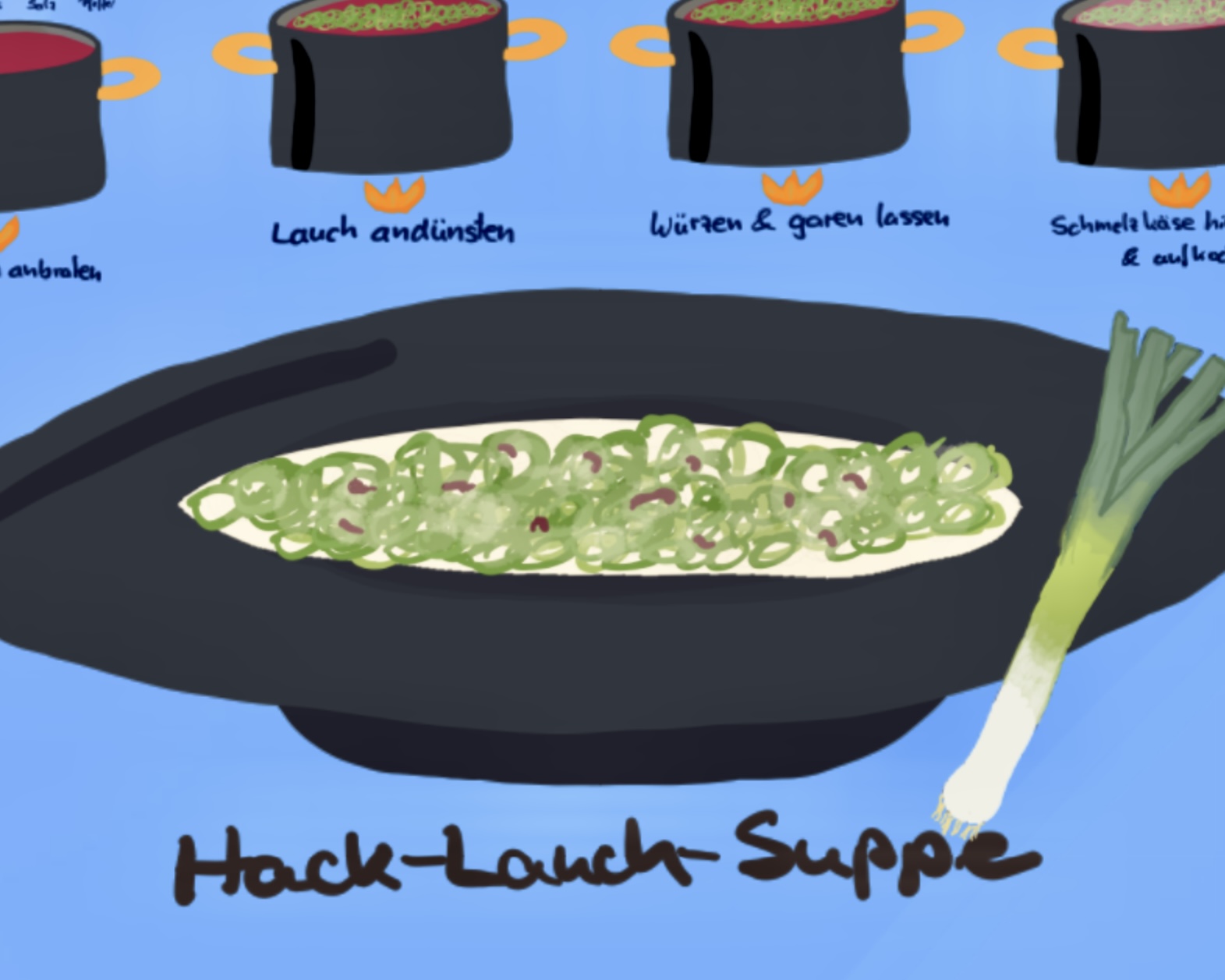
Cheese leek soup with mince
Discover cheese leek soup with mince on yummy.world! Creamy comfort soup—savory, filling, and family-friendly.

Hokkaido Pumpkin Soup
Discover Hokkaido pumpkin soup on yummy.world! Creamy, cozy, and seasonal—easy autumn comfort.

Green Bean Soup
Discover green bean soup on yummy.world! Simple, hearty soup—great for a comforting family meal.

Potato soup
Discover potato soup on yummy.world! Creamy comfort bowl—easy to cook and perfect with toppings.
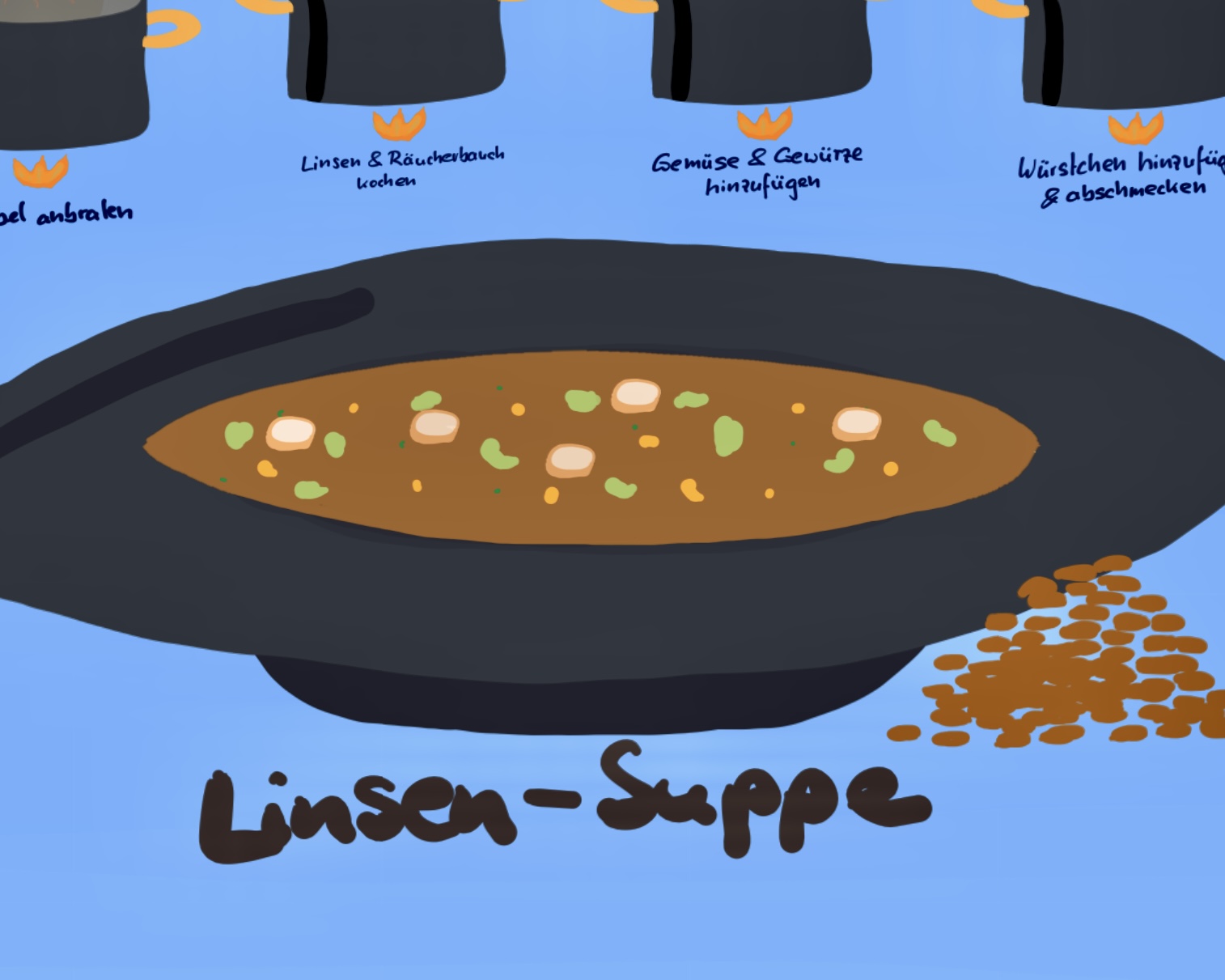
Lentil soup
Discover lentil soup on yummy.world! Protein-rich, hearty, and flavorful—great for meal prep.
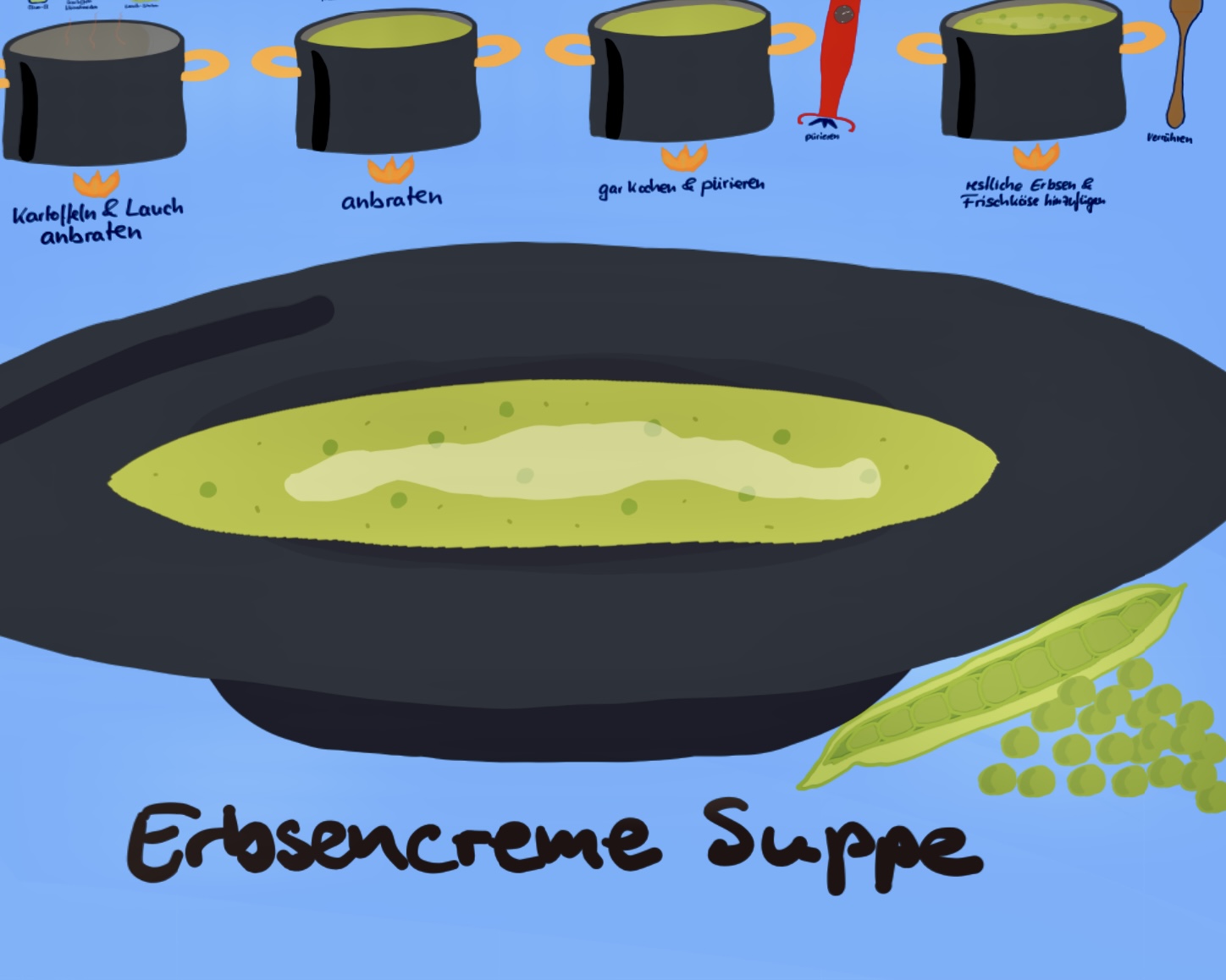
Pea Soup with herb cream cheese
Discover pea soup with herb cream cheese on yummy.world! Smooth, comforting soup with a fresh herby finish.
Pea Soup
Discover pea soup on yummy.world! Cozy, hearty classic—great with toppings and crusty bread.
Cauliflower Cream Soup
Discover cauliflower cream soup on yummy.world! Smooth, mild, and creamy—light comfort in a bowl.
Red lentil soup with coconut milk
Discover red lentil soup with coconut milk on yummy.world! Creamy, spiced, and gently exotic.
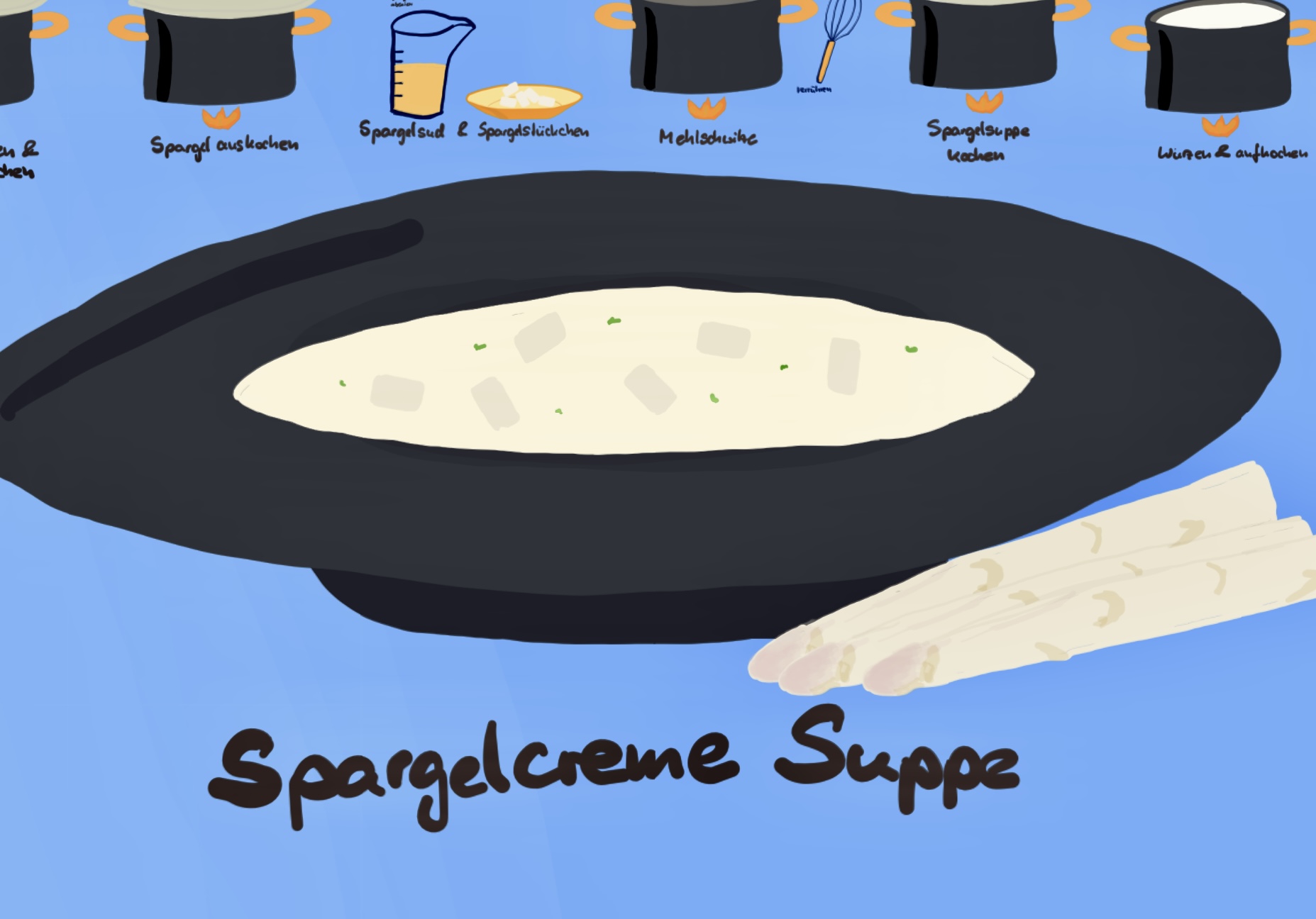
Cream of Asparagus Soup
Discover cream of asparagus soup on yummy.world! Silky seasonal soup—elegant, light, and flavorful.
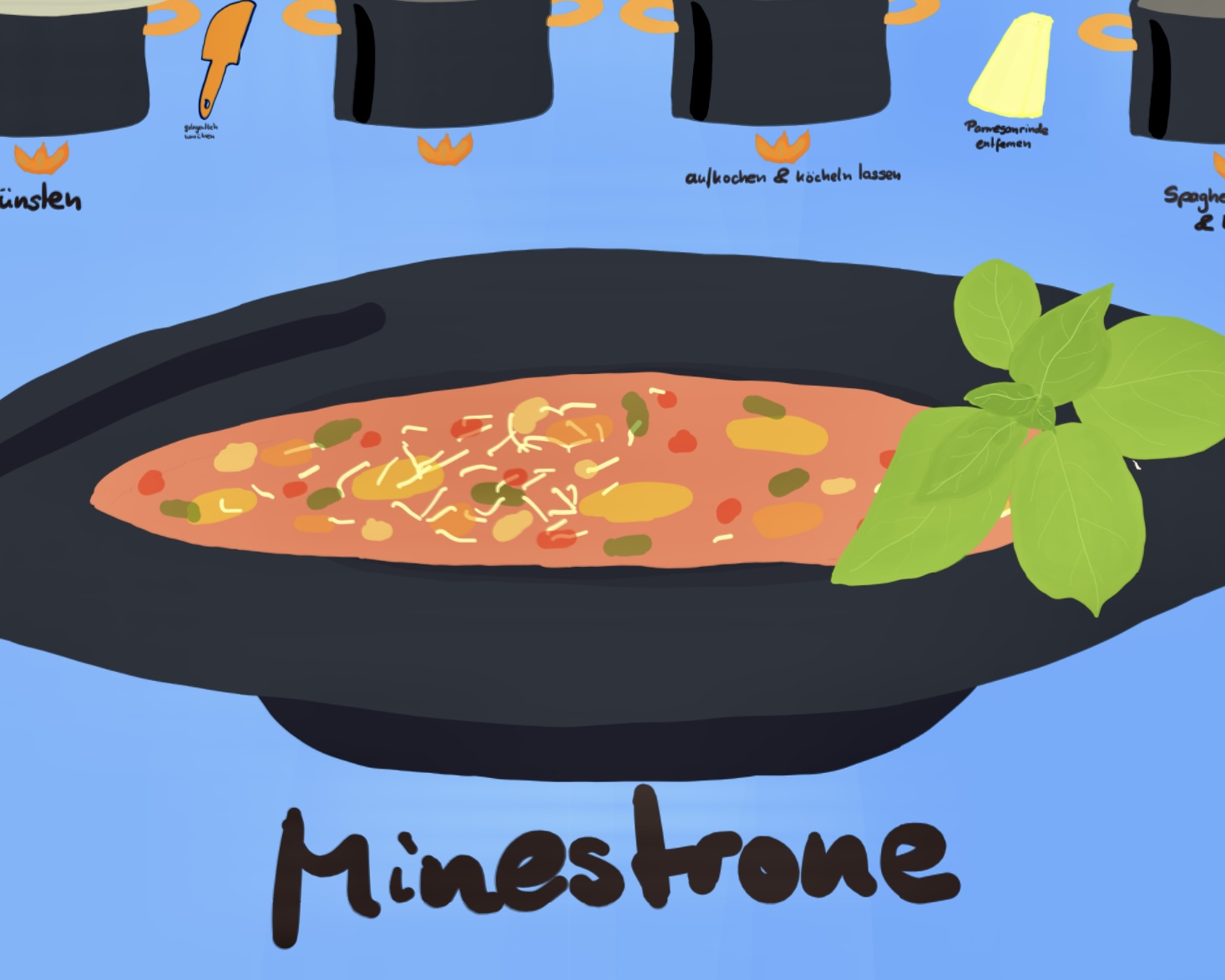
Minestrone
Discover minestrone on yummy.world! Italian vegetable soup—hearty, colorful, and satisfying.

Chestnut Soup
Creamy chestnut soup with roasted chestnuts and aromatics—velvety texture, optional apple or celery, cream or dairy-free; elegant starter for holidays, reheats well.
Cream of Champignon Soup
Discover cream of champignon soup on yummy.world! Creamy mushroom soup—aromatic, comforting, and quick.
Bouillabaisse
Discover bouillabaisse on yummy.world! Classic French fish soup—aromatic, impressive, and full of flavor.
Red beet soup with horseradish
Discover red beet soup with horseradish on yummy.world! Creamy, bold soup with a spicy kick—great as starter.
Cassoulet
Discover cassoulet on yummy.world! French bean stew—rich, rustic, and deeply satisfying.
Celeriac soup
Discover celeriac soup on yummy.world! Creamy, aromatic soup—easy comfort bowl with rich flavor.
Soljanka
Discover soljanka on yummy.world! Spicy-sour comfort soup—bold flavor and easy to make.
Miso Soup
Miso soup recipe: dashi broth with tofu and wakame—miso types explained, keep heat gentle to preserve flavor; finish with scallions. Quick, comforting, weeknight easy.
Ramen Soup
Make ramen soup with deep broth, springy noodles and smart toppings. Includes shoyu & miso options, jammy eggs, and no-soggy noodle tips.