
Pea Soup Recipe: Cozy, hearty & classic
Instructions 👩🍳
Cook along on the interactive map
Step-by-step:
- Prep peas: Use dried peas (soaked if needed) or fresh/frozen peas.
Show all steps...
- Sauté aromatics: Sauté onion and garlic; add bacon or ham if desired.
- Simmer: Add peas and broth, then simmer until very tender.
- Blend: Blend until creamy; add cream if you like.
- Season and serve: Season with salt, pepper, and marjoram; serve hot.
Pea Soup: creamy, comforting, and built for meal prep
Pea soup is a forever classic: warming, filling, and naturally creamy, with a gentle sweetness that turns deeply satisfying when you build a proper base and finish it well. You can go hearty and traditional or light and modern—the keys are moisture control (peas thicken fast), smart texture (creamy + bites), and timing for herbs and acid so it tastes bright, not chalky or flat.
Why pea soup works so well
- Comfort that fills you up: Peas bring protein and fiber for real staying power.
- Naturally creamy: Blended peas create a silky body with little or no dairy.
- Highly flexible: From smoky sausage to minty-lemon freshness, it adapts easily.
- Budget-friendly: Simple ingredients, big payoff.
- Meal-prep champion: Keeps for days and freezes well.
High-value tips: How to make pea soup really good
- Which peas to use: Split peas make a thicker, heartier soup (longer cook). Frozen peas cook fast and taste fresher and greener.
- Build an aromatic base: Sweat onion, celery, carrot (and optional leek) over gentle heat—this is your flavor foundation.
- Moisture control: Peas thicken aggressively. Start with less stock and adjust to spoon-coating at the end.
- Texture upgrade (split): Blend part of the soup and keep part chunky for “creamy + bites,” not pure baby food.
- Protect the green flavor: For frozen peas, don’t overcook—simmer briefly, then blend. Long cooking dulls color and flattens taste.
- Smart umami: A little bacon, a Parmesan rind, or (vegan) a small spoon of miso/soy adds depth.
- Finish with acid: Lemon juice or mild vinegar brightens and balances pea sweetness.
- Salt late: If using ham/sausage, season at the end—cured meats vary in saltiness.
Variations & alternatives
- Classic hearty: Bacon, ham, or sausage with marjoram or thyme.
- Modern fresh: Frozen peas + mint + lemon + a yogurt swirl.
- With potato: Adds extra silkiness and makes the texture more stable for meal prep.
- Make it spicy: Chili flakes or a chili-oil drizzle to serve.
- Vegan: Veg stock, plant cream or cashew butter; boost umami with a little miso/soy (go easy).
- Low-carb: Skip potato; add more peas and a little cauliflower for body.
Serving ideas / pairings
- Crunch: Croutons, crispy onions, or toasted seeds.
- Creamy contrast: Crème fraîche, yogurt, or plant yogurt swirl.
- Fresh herbs: Parsley, chives, or mint for lighter versions.
- Savory toppings: Crispy bacon or sliced sausage (optional).
- On the side: Rye bread, sourdough, or a simple cheese toast.
Storage, meal prep & reheating
Pea soup keeps for about 3–4 days in the fridge and thickens a lot as it sits. When reheating, loosen with water or stock until creamy again. Warm over medium heat, stirring often to prevent sticking. Freezing works very well: freeze in portions, thaw, blend briefly if needed, and refresh with acid (lemon/vinegar) and herbs before serving.
FAQ
Why did my pea soup get too thick?
Peas thicken quickly and continue to thicken as they cool. Add stock or water when reheating and stir well.
How do I avoid a chalky or dull flavor?
Build a proper base, add umami (bacon/Parmesan/miso), and finish with acid and black pepper.
Can I make pea soup without soaking?
With frozen peas, yes. Split peas don’t require soaking, but they cook more evenly (and faster) if you do.
How do I keep it bright green?
Don’t overcook frozen peas—simmer briefly, blend, and finish with lemon. Long cooking dulls both color and flavor.
What herbs work best?
Marjoram, thyme, and parsley are classic. Mint and lemon are unbeatable for fresh, modern versions.
Best Soups Recipes to Try at Home

Chicken Soup
Make flavorful chicken soup with tender chicken, vegetables and clear broth—tips for rich taste, less grease, plus storage and meal-prep ideas.
White Bean Soup
Discover white bean soup on yummy.world! Hearty, rustic soup—perfect with crusty bread.
Gazpacho
Discover gazpacho on yummy.world! Chilled Spanish tomato soup—refreshing, light, and perfect for hot days.
Goulash Soup
Discover goulash soup on yummy.world! Hearty, warming soup with paprika depth—perfect for cold days.

Italian Tomato Soup
Discover Italian tomato soup on yummy.world! Creamy classic soup with rich tomato flavor—quick and cozy.
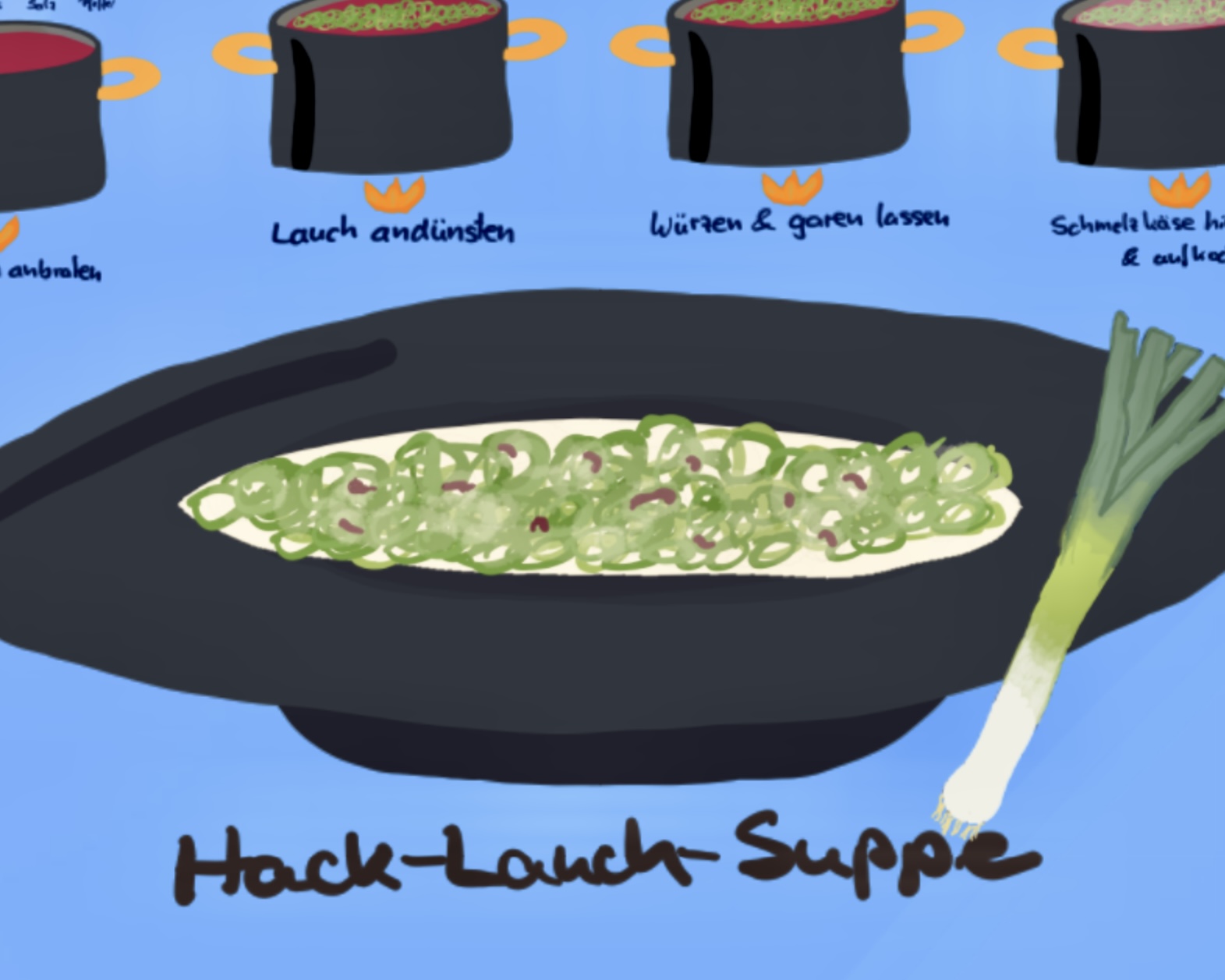
Cheese leek soup with mince
Discover cheese leek soup with mince on yummy.world! Creamy comfort soup—savory, filling, and family-friendly.

Hokkaido Pumpkin Soup
Discover Hokkaido pumpkin soup on yummy.world! Creamy, cozy, and seasonal—easy autumn comfort.

Green Bean Soup
Discover green bean soup on yummy.world! Simple, hearty soup—great for a comforting family meal.

Potato soup
Discover potato soup on yummy.world! Creamy comfort bowl—easy to cook and perfect with toppings.
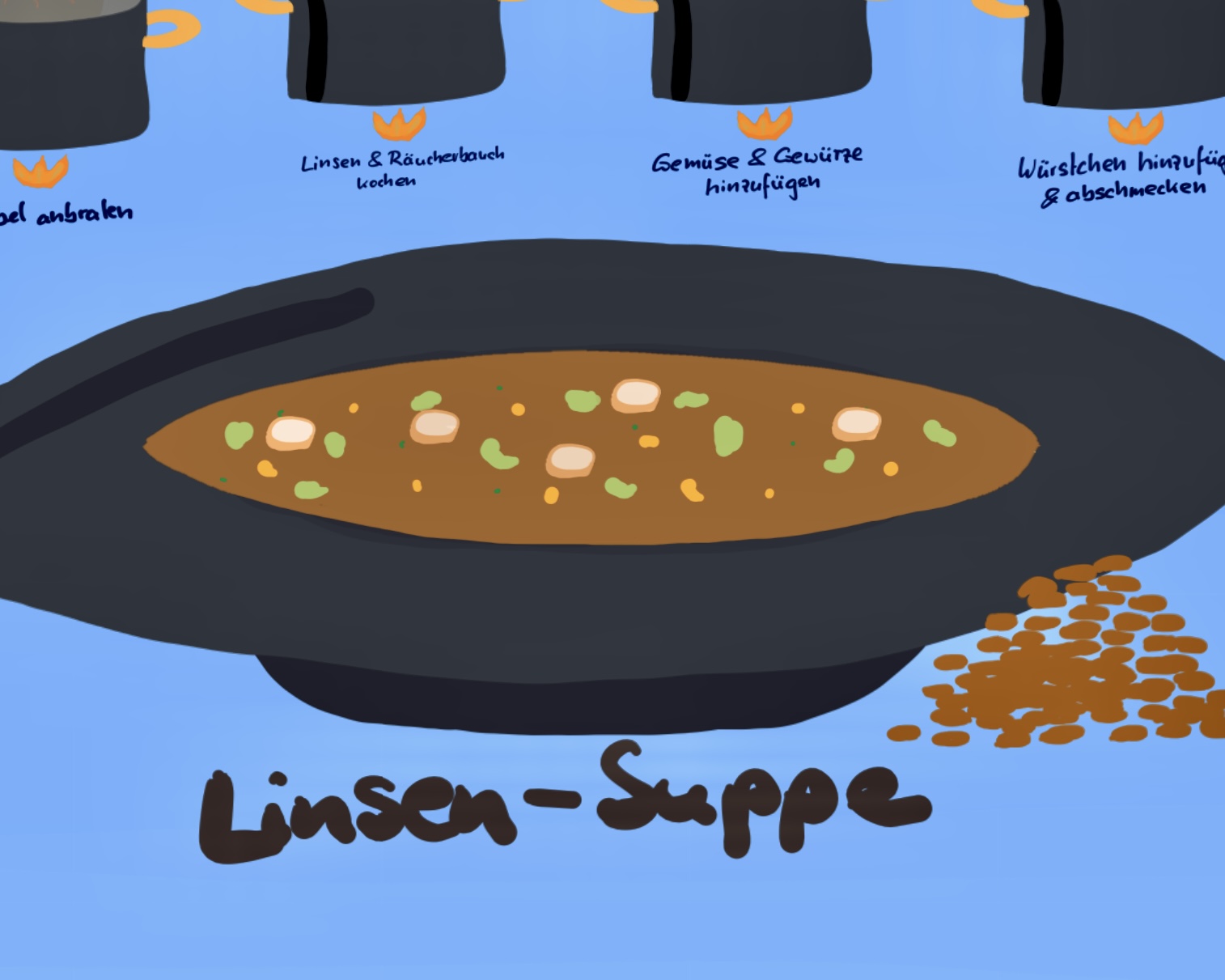
Lentil soup
Discover lentil soup on yummy.world! Protein-rich, hearty, and flavorful—great for meal prep.
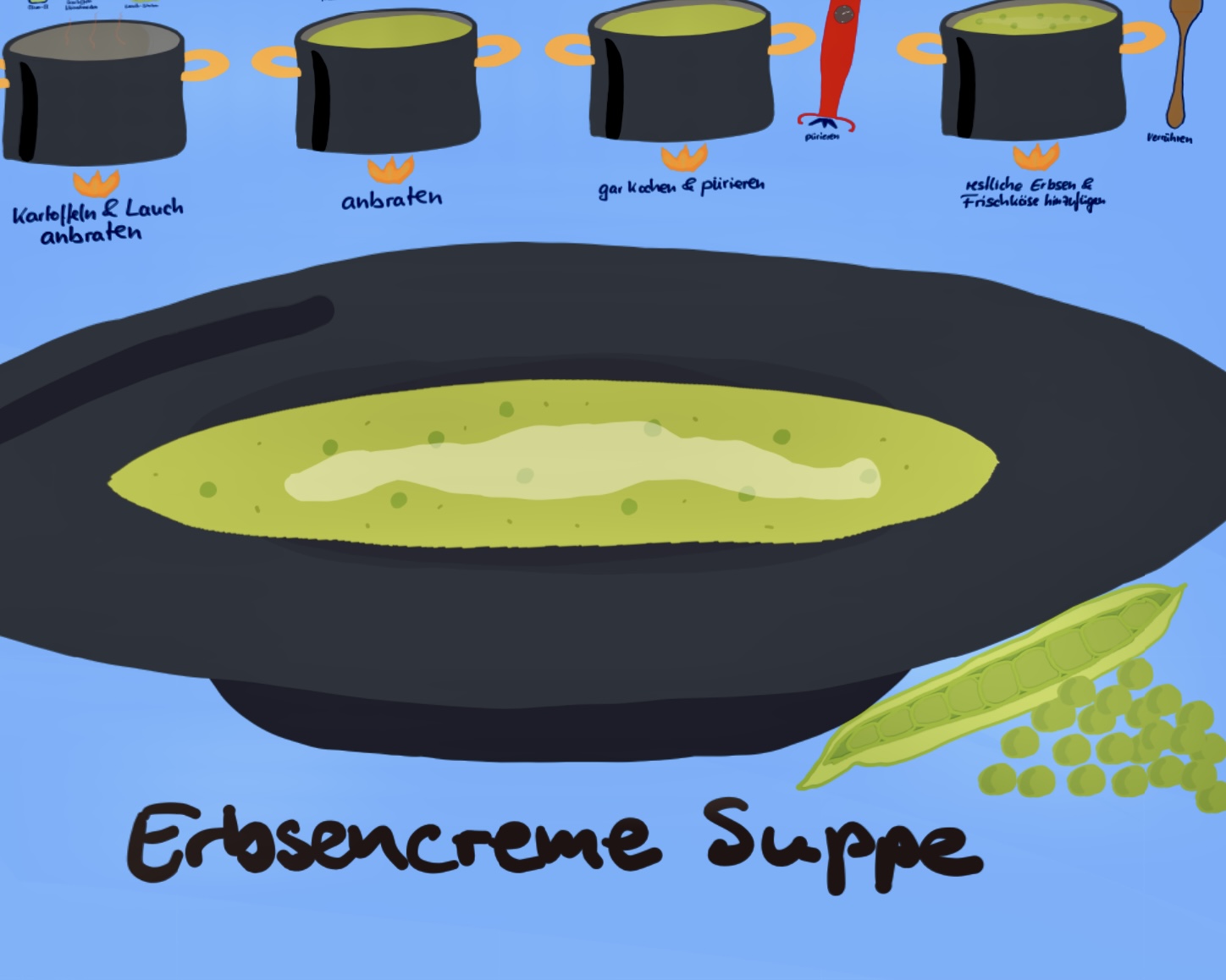
Pea Soup with herb cream cheese
Discover pea soup with herb cream cheese on yummy.world! Smooth, comforting soup with a fresh herby finish.
Cauliflower Cream Soup
Discover cauliflower cream soup on yummy.world! Smooth, mild, and creamy—light comfort in a bowl.
Red lentil soup with coconut milk
Discover red lentil soup with coconut milk on yummy.world! Creamy, spiced, and gently exotic.
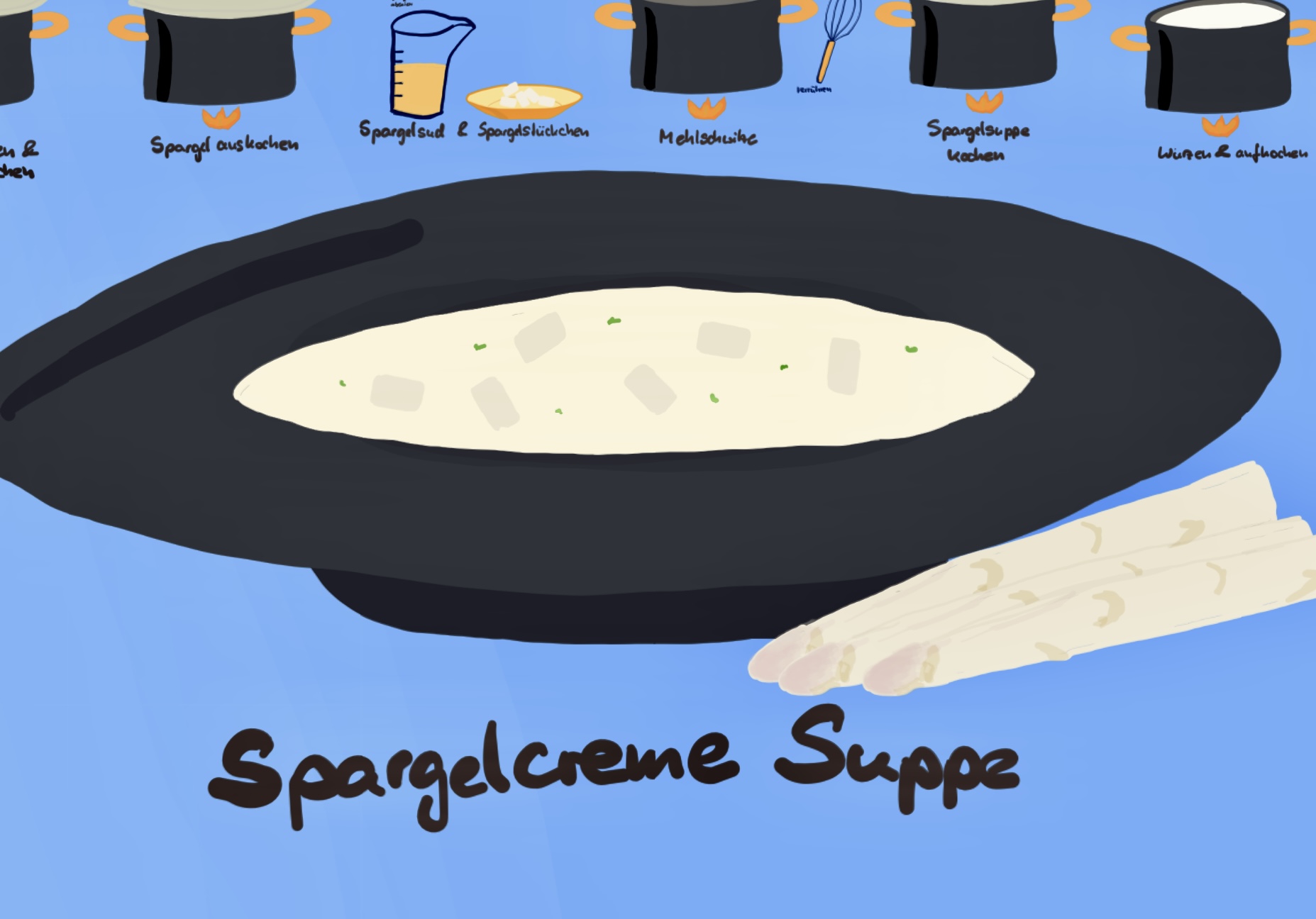
Cream of Asparagus Soup
Discover cream of asparagus soup on yummy.world! Silky seasonal soup—elegant, light, and flavorful.
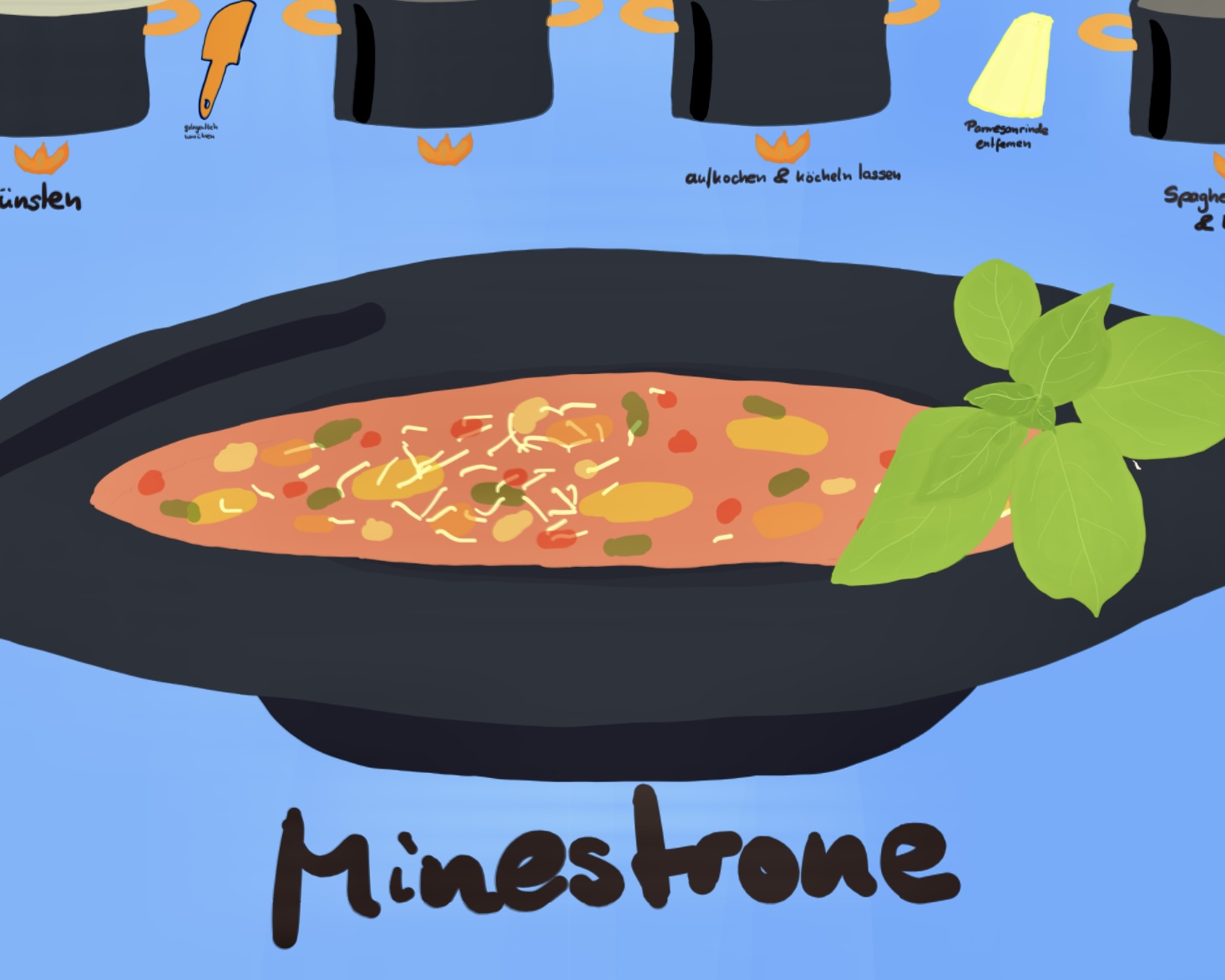
Minestrone
Discover minestrone on yummy.world! Italian vegetable soup—hearty, colorful, and satisfying.
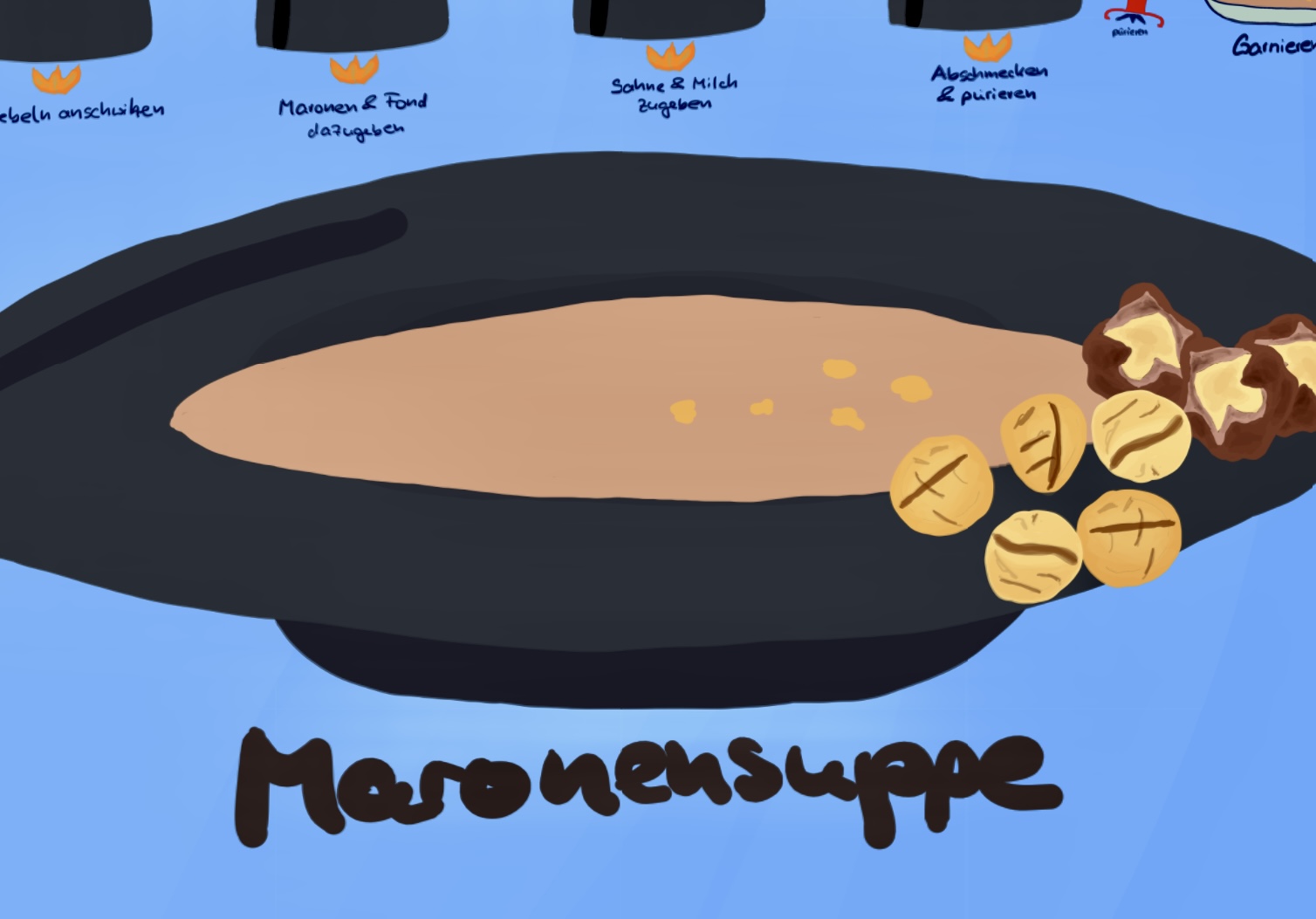
Chestnut Soup
Creamy chestnut soup with roasted chestnuts and aromatics—velvety texture, optional apple or celery, cream or dairy-free; elegant starter for holidays, reheats well.
Cream of Champignon Soup
Discover cream of champignon soup on yummy.world! Creamy mushroom soup—aromatic, comforting, and quick.
Bouillabaisse
Discover bouillabaisse on yummy.world! Classic French fish soup—aromatic, impressive, and full of flavor.
Red beet soup with horseradish
Discover red beet soup with horseradish on yummy.world! Creamy, bold soup with a spicy kick—great as starter.
Cassoulet
Discover cassoulet on yummy.world! French bean stew—rich, rustic, and deeply satisfying.
Celeriac soup
Discover celeriac soup on yummy.world! Creamy, aromatic soup—easy comfort bowl with rich flavor.
Soljanka
Discover soljanka on yummy.world! Spicy-sour comfort soup—bold flavor and easy to make.
Miso Soup
Miso soup recipe: dashi broth with tofu and wakame—miso types explained, keep heat gentle to preserve flavor; finish with scallions. Quick, comforting, weeknight easy.
Ramen Soup
Make ramen soup with deep broth, springy noodles and smart toppings. Includes shoyu & miso options, jammy eggs, and no-soggy noodle tips.