
Chicken Soup Recipe | Classic Comfort Broth
Instructions 👩🍳
Cook along on the interactive map
Chicken Soup: comforting, nourishing & packed with real flavor (not bland)
Chicken soup is the ultimate comfort bowl: warm, soothing, and surprisingly versatile—from light and brothy to rich and hearty. The difference between “okay” chicken soup and truly great chicken soup comes down to depth of flavor: building a good base (aromatics), keeping the broth clean (not greasy), and seasoning in stages. Done right, it tastes like it simmered all day—even if you make it on a busy weeknight.
What makes a great chicken soup?
- Clear, savory broth: clean flavor, not oily or flat.
- Tender chicken: juicy, not stringy or dry.
- Balanced vegetables: soft but not mushy, with fresh finish.
High-value tips for a flavorful broth (fast wins)
- Start with aromatics: onion + garlic + carrot + celery create the classic soup backbone.
- Season in layers: salt lightly early, adjust at the end for the cleanest taste.
- Keep the simmer gentle: hard boiling makes chicken dry and broth cloudy.
- Skim if needed: removing foam/fat keeps broth cleaner and lighter.
- Finish with acid: a squeeze of lemon brightens everything.
Chicken choices (and how they change the soup)
- Bone-in pieces: deeper flavor and a richer broth.
- Boneless breast: lean and fast—remove early so it stays tender.
- Thighs: very forgiving and juicy, great for reheating.
Vegetable & add-in ideas
- Classic: carrots, celery, onion.
- Extra comfort: potatoes or rice.
- Noodles: add near the end so they don’t overcook.
- Greens: spinach or parsley for a fresh finish.
Flavor boosters (small additions, big payoff)
- Bay leaf: subtle depth (remove before serving).
- Black pepper: warmth and balance.
- Fresh herbs: parsley or dill add freshness.
- Ginger (optional): a gentle warming note, especially nice in colder months.
Make-ahead, storage & reheating
Chicken soup is even better the next day. Store airtight in the fridge for 3–4 days. Reheat gently to keep chicken tender. If you’re using noodles, store them separately so they don’t soak up all the broth. Chicken soup also freezes well once cooled—portion it for easy future meals.
FAQ
Why is my chicken soup bland?
It usually needs more base flavor and better finishing. Start with aromatics, add salt in stages, and finish with lemon and herbs.
Why is my chicken dry?
The soup boiled too hard or chicken cooked too long. Keep a gentle simmer and remove chicken once tender.
How do I keep broth from being greasy?
Skim fat during simmering or chill and remove hardened fat from the top before reheating.
Best Soups Recipes to Try at Home

Gazpacho
Discover gazpacho on yummy.world! Chilled Spanish tomato soup—refreshing, light, and perfect for hot days.
Goulash Soup
Discover goulash soup on yummy.world! Hearty, warming soup with paprika depth—perfect for cold days.

Italian Tomato Soup
Discover Italian tomato soup on yummy.world! Creamy classic soup with rich tomato flavor—quick and cozy.
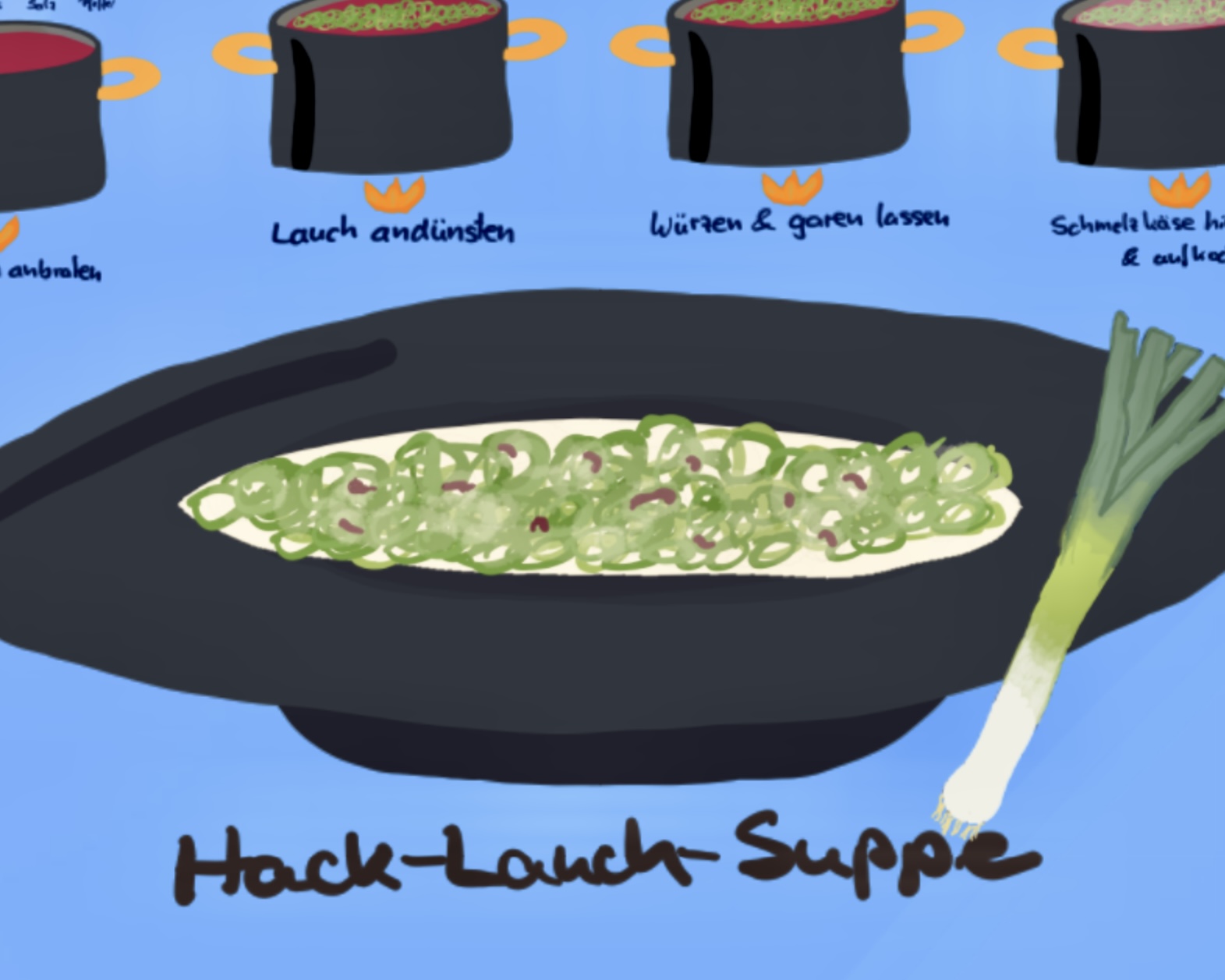
Cheese leek soup with mince
Discover cheese leek soup with mince on yummy.world! Creamy comfort soup—savory, filling, and family-friendly.

Hokkaido Pumpkin Soup
Discover Hokkaido pumpkin soup on yummy.world! Creamy, cozy, and seasonal—easy autumn comfort.

Green Bean Soup
Discover green bean soup on yummy.world! Simple, hearty soup—great for a comforting family meal.

Potato soup
Discover potato soup on yummy.world! Creamy comfort bowl—easy to cook and perfect with toppings.
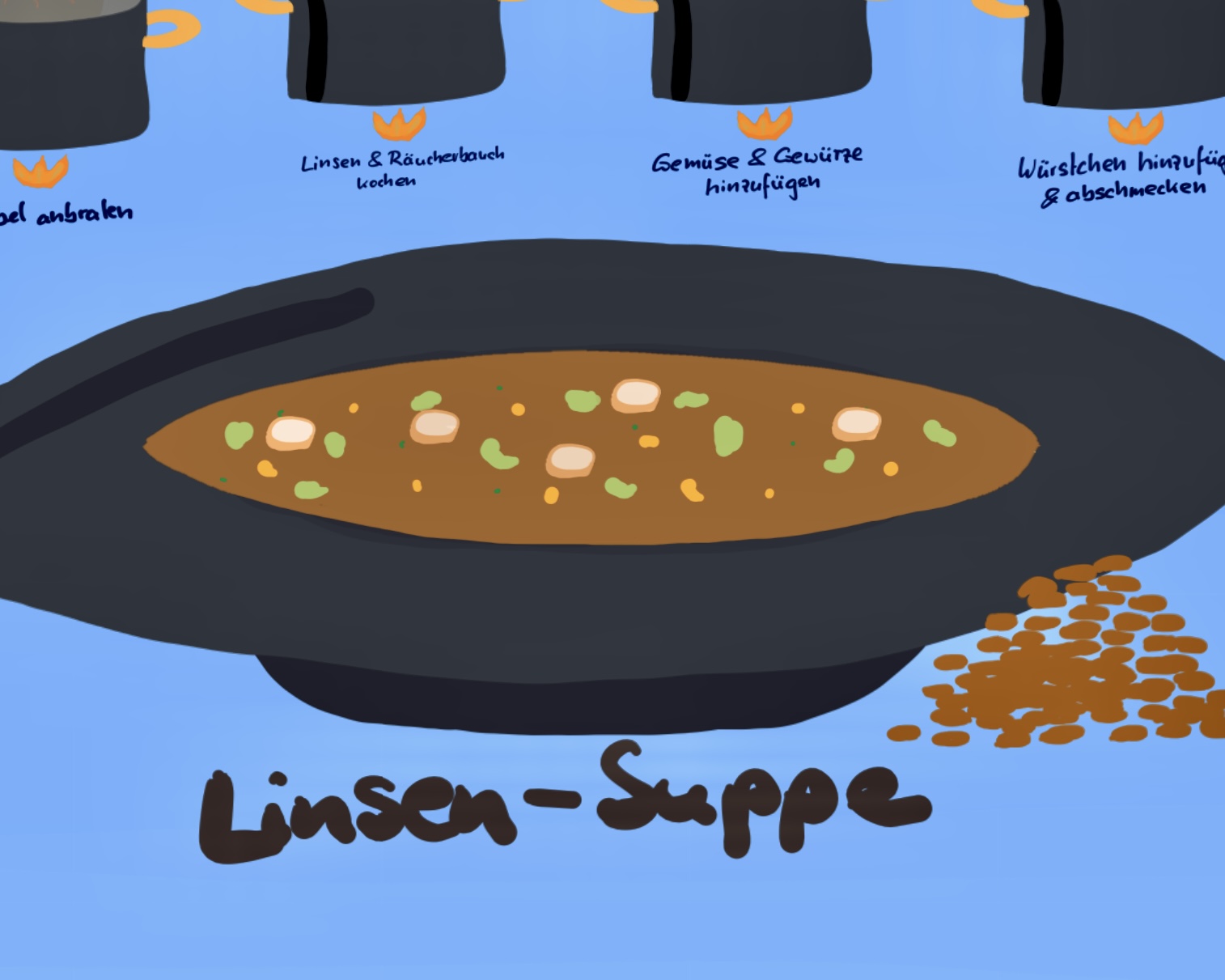
Lentil soup
Discover lentil soup on yummy.world! Protein-rich, hearty, and flavorful—great for meal prep.
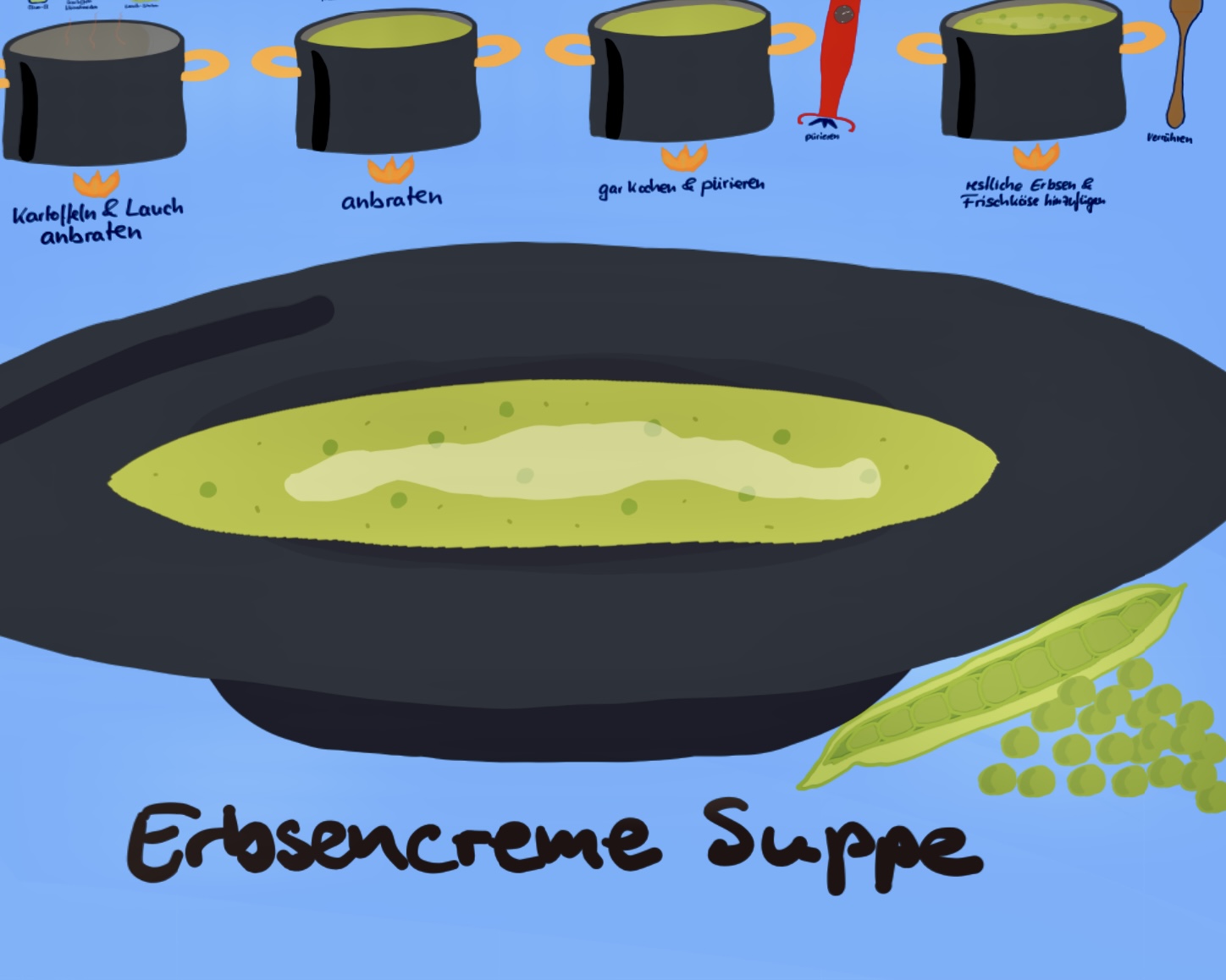
Pea Soup with herb cream cheese
Discover pea soup with herb cream cheese on yummy.world! Smooth, comforting soup with a fresh herby finish.
Pea Soup
Discover pea soup on yummy.world! Cozy, hearty classic—great with toppings and crusty bread.
Cauliflower Cream Soup
Discover cauliflower cream soup on yummy.world! Smooth, mild, and creamy—light comfort in a bowl.
Red lentil soup with coconut milk
Discover red lentil soup with coconut milk on yummy.world! Creamy, spiced, and gently exotic.
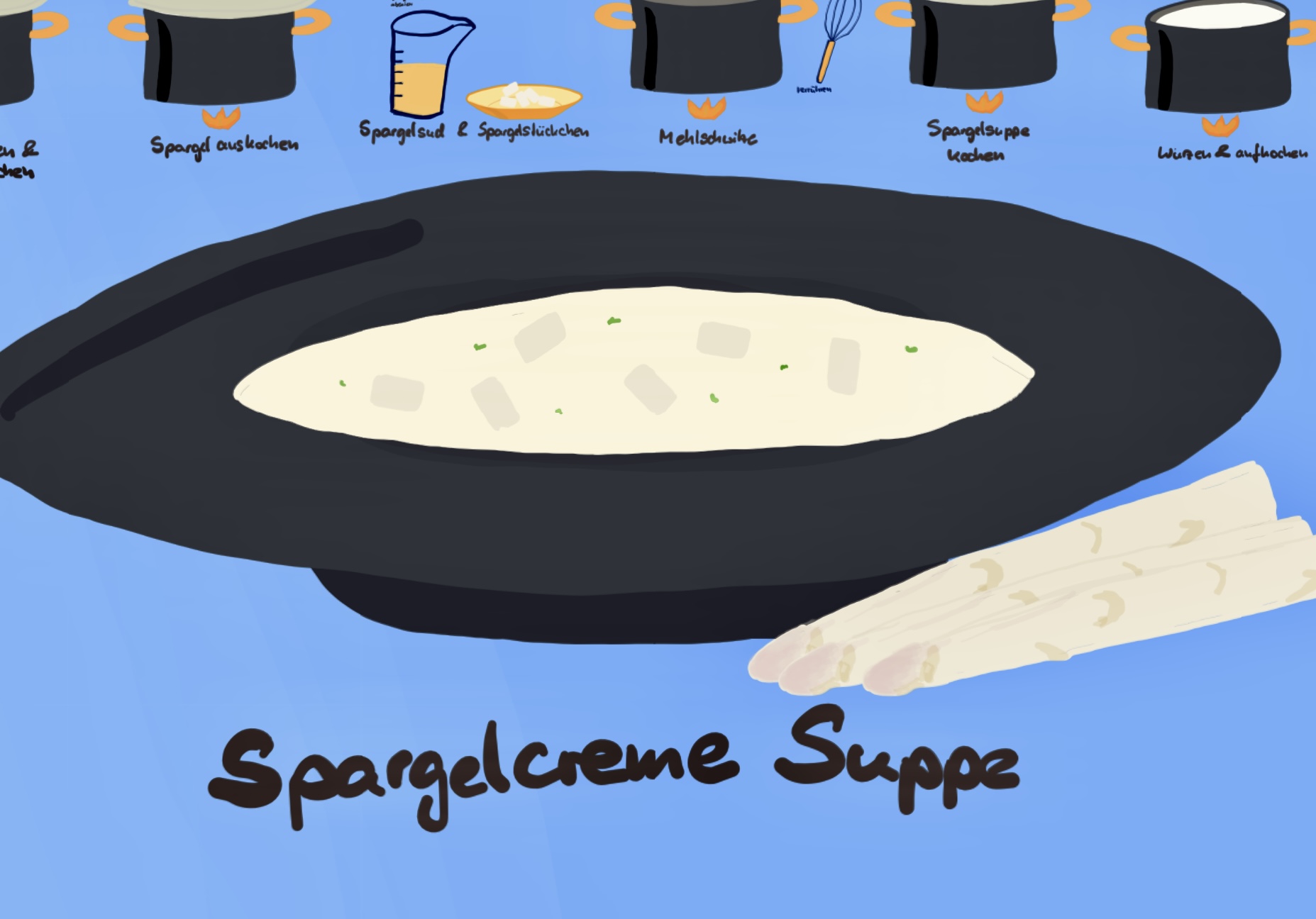
Cream of Asparagus Soup
Discover cream of asparagus soup on yummy.world! Silky seasonal soup—elegant, light, and flavorful.
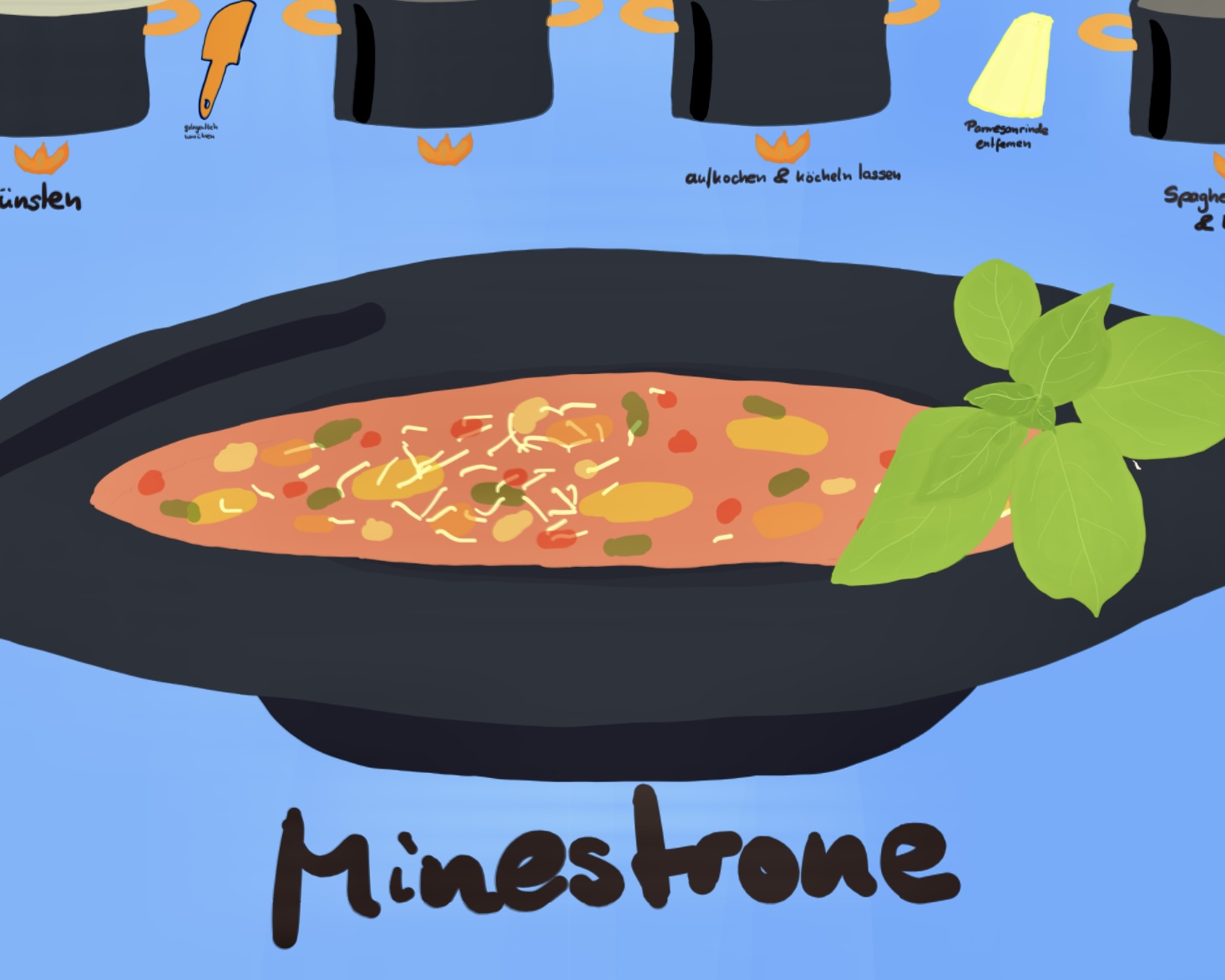
Minestrone
Discover minestrone on yummy.world! Italian vegetable soup—hearty, colorful, and satisfying.

Chestnut Soup
Creamy chestnut soup with roasted chestnuts and aromatics—velvety texture, optional apple or celery, cream or dairy-free; elegant starter for holidays, reheats well.
Cream of Champignon Soup
Discover cream of champignon soup on yummy.world! Creamy mushroom soup—aromatic, comforting, and quick.
Cassoulet
Discover cassoulet on yummy.world! French bean stew—rich, rustic, and deeply satisfying.
Bouillabaisse
Discover bouillabaisse on yummy.world! Classic French fish soup—aromatic, impressive, and full of flavor.
Red beet soup with horseradish
Discover red beet soup with horseradish on yummy.world! Creamy, bold soup with a spicy kick—great as starter.
Celeriac soup
Discover celeriac soup on yummy.world! Creamy, aromatic soup—easy comfort bowl with rich flavor.
White Bean Soup
Discover white bean soup on yummy.world! Hearty, rustic soup—perfect with crusty bread.
Soljanka
Discover soljanka on yummy.world! Spicy-sour comfort soup—bold flavor and easy to make.
Miso Soup
Miso soup recipe: dashi broth with tofu and wakame—miso types explained, keep heat gentle to preserve flavor; finish with scallions. Quick, comforting, weeknight easy.
Ramen Soup
Make ramen soup with deep broth, springy noodles and smart toppings. Includes shoyu & miso options, jammy eggs, and no-soggy noodle tips.