
Goulash Soup Recipe: Hearty, warming & flavorful
Instructions 👩🍳
Cook along on the interactive map
Step-by-step:
- Brown beef: Sear beef cubes in a pot until browned; remove briefly.
Show all steps...
- Build base: Sauté onions, add paprika and tomato paste, then deglaze with broth.
- Simmer: Return beef, add more broth, and simmer until tender.
- Add vegetables: Add potatoes, carrots, or peppers and cook until soft.
- Finish: Season with salt, pepper, and marjoram; serve hot.
Goulash Soup: rich, hearty, and full of deep paprika flavor
Goulash soup is one of those comfort classics that feels both rustic and impressive: tender beef, a deeply savory broth, sweet onions, paprika warmth, and enough body to make it a full meal. The difference between average and truly great goulash soup comes down to patience, layering, and moisture control. Brown the meat properly, let the onions build sweetness, treat paprika carefully, and simmer until the broth tastes rich instead of thin. Done right, goulash soup is warming, satisfying, and perfect for cold days, weekend cooking, and make-ahead meals.
Why goulash soup works so well
- Deep, layered flavor: Beef, onions, paprika, and broth create a bold, rounded base.
- Comfort with structure: It is heartier than many soups, but still lighter than a full stew.
- Great texture contrast: Tender meat, soft vegetables, and a broth that feels rich without becoming heavy.
- Built for slow cooking: Time does a lot of the work, making it ideal for batch cooking.
- Even better later: Goulash soup often tastes better the next day once everything settles.
High-value tips: How to make goulash soup really good
- Brown the beef properly: Sear the meat in batches so it develops roasted flavor instead of steaming. That browning is one of the main flavor drivers.
- Use enough onions: Onions are not just background here. Cook them slowly over gentle heat until soft and sweet to build depth and body.
- Treat paprika carefully: Paprika should be added briefly and not fried too hard, or it can turn bitter. Stir it in after the onions and just before adding liquid.
- Moisture control matters: Goulash soup should be brothy, but not watery. Start with a moderate amount of stock and reduce gently if needed.
- Choose the right cut: Beef with some connective tissue becomes tender and flavorful during simmering. Lean meat can dry out and taste flat.
- Give it enough time: Low, steady simmering helps the meat soften and the broth deepen. Rushing leaves you with tough beef and a weaker soup.
- Finish with balance: Black pepper, caraway if you like it, a small splash of vinegar, and fresh herbs at the end keep the soup from tasting too heavy.
Variations & alternatives
- Classic style: Beef, onions, paprika, potatoes, and peppers for a traditional, hearty bowl.
- With potatoes: Potatoes add body and make the soup even more satisfying.
- More vegetable-forward: Add carrots, celery root, or extra bell peppers for a lighter feel.
- Spicier version: Add hot paprika, chili flakes, or a little cayenne for more heat.
- With smoked notes: A touch of smoked paprika can add depth, but keep it subtle so it does not overpower the classic flavor.
- Lighter variation: Use less meat, more vegetables, and keep the broth brighter with a little extra acid at the end.
Serving ideas / pairings
- Classic side: Rustic bread, sourdough, or a crusty roll to soak up the broth.
- Fresh finish: Parsley or chives brighten the deep paprika-rich base.
- Creamy contrast: A spoon of sour cream or crème fraîche works especially well if the soup is spicy.
- Extra comfort: Serve with buttered bread or a simple cheese toast.
- Balanced plate: A crisp salad with a sharp vinaigrette cuts through the richness nicely.
Storage, meal prep & reheating
Goulash soup keeps well in the fridge for about 3–4 days and often improves after resting overnight. Reheat gently over medium heat so the meat stays tender and the broth does not reduce too aggressively. If it thickens too much, loosen it with a splash of stock or water. It also freezes well: cool completely, freeze in portions, then thaw and reheat slowly, adjusting seasoning and acidity before serving.
FAQ
Why is my goulash soup bland?
It usually needs better browning, more onion depth, or more careful paprika handling. Build the base more patiently and finish with pepper and a little acid.
Why did my paprika turn bitter?
Paprika was likely fried too hot or too long. Add it briefly and follow it with liquid soon after.
How do I keep the beef tender?
Use a simmering cut and cook it low and slow. High heat and rushing are the main reasons beef turns tough.
How do I stop the soup from becoming watery?
Start with less stock than you think you need and reduce gently uncovered until the broth tastes concentrated and rich.
Can I make goulash soup ahead?
Yes, absolutely. It is one of those soups that often tastes even better the next day.
Best Soups Recipes to Try at Home

Chicken Soup
Make flavorful chicken soup with tender chicken, vegetables and clear broth—tips for rich taste, less grease, plus storage and meal-prep ideas.
White Bean Soup
Discover white bean soup on yummy.world! Hearty, rustic soup—perfect with crusty bread.
Gazpacho
Discover gazpacho on yummy.world! Chilled Spanish tomato soup—refreshing, light, and perfect for hot days.

Italian Tomato Soup
Discover Italian tomato soup on yummy.world! Creamy classic soup with rich tomato flavor—quick and cozy.
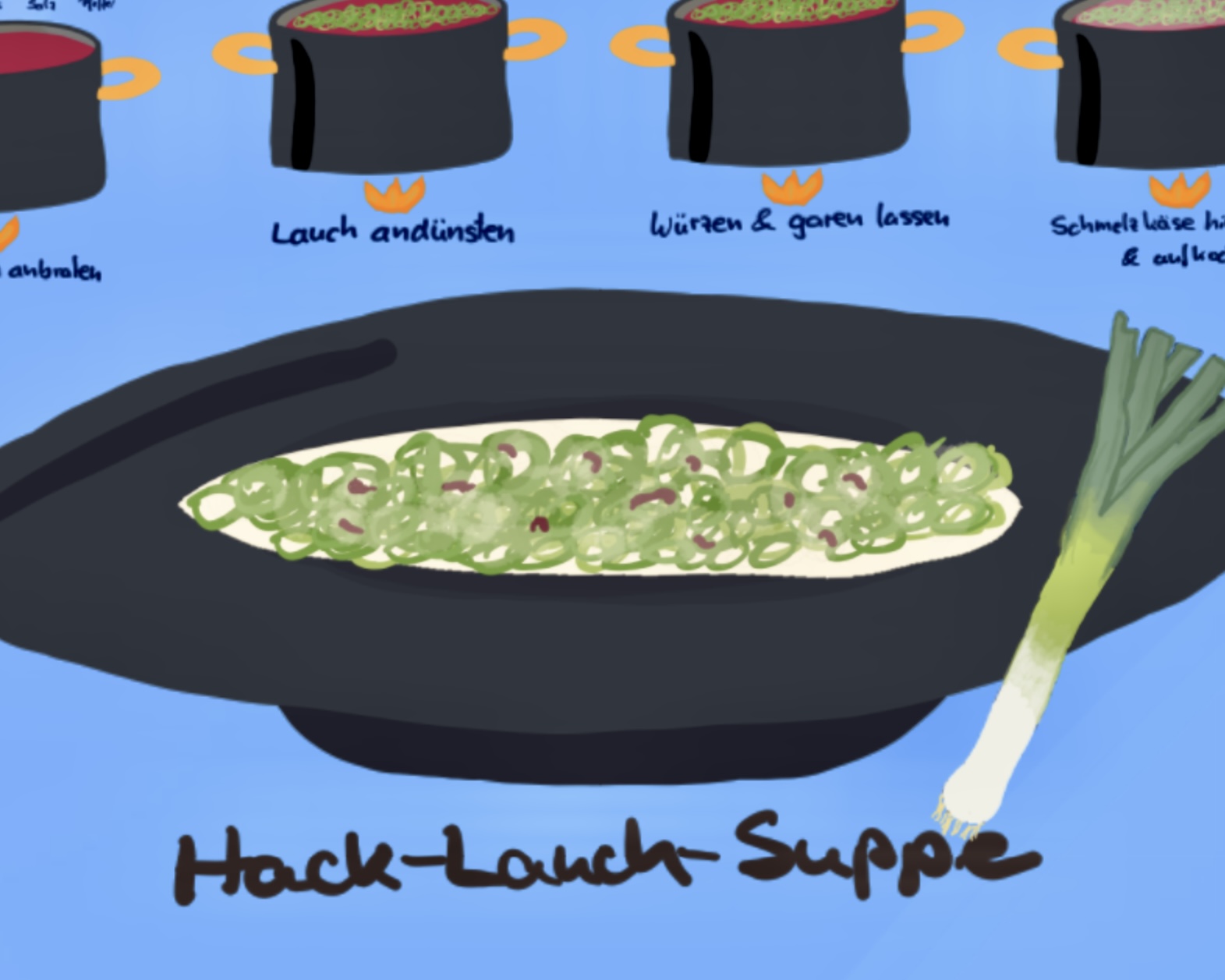
Cheese leek soup with mince
Discover cheese leek soup with mince on yummy.world! Creamy comfort soup—savory, filling, and family-friendly.

Hokkaido Pumpkin Soup
Discover Hokkaido pumpkin soup on yummy.world! Creamy, cozy, and seasonal—easy autumn comfort.

Green Bean Soup
Discover green bean soup on yummy.world! Simple, hearty soup—great for a comforting family meal.

Potato soup
Discover potato soup on yummy.world! Creamy comfort bowl—easy to cook and perfect with toppings.
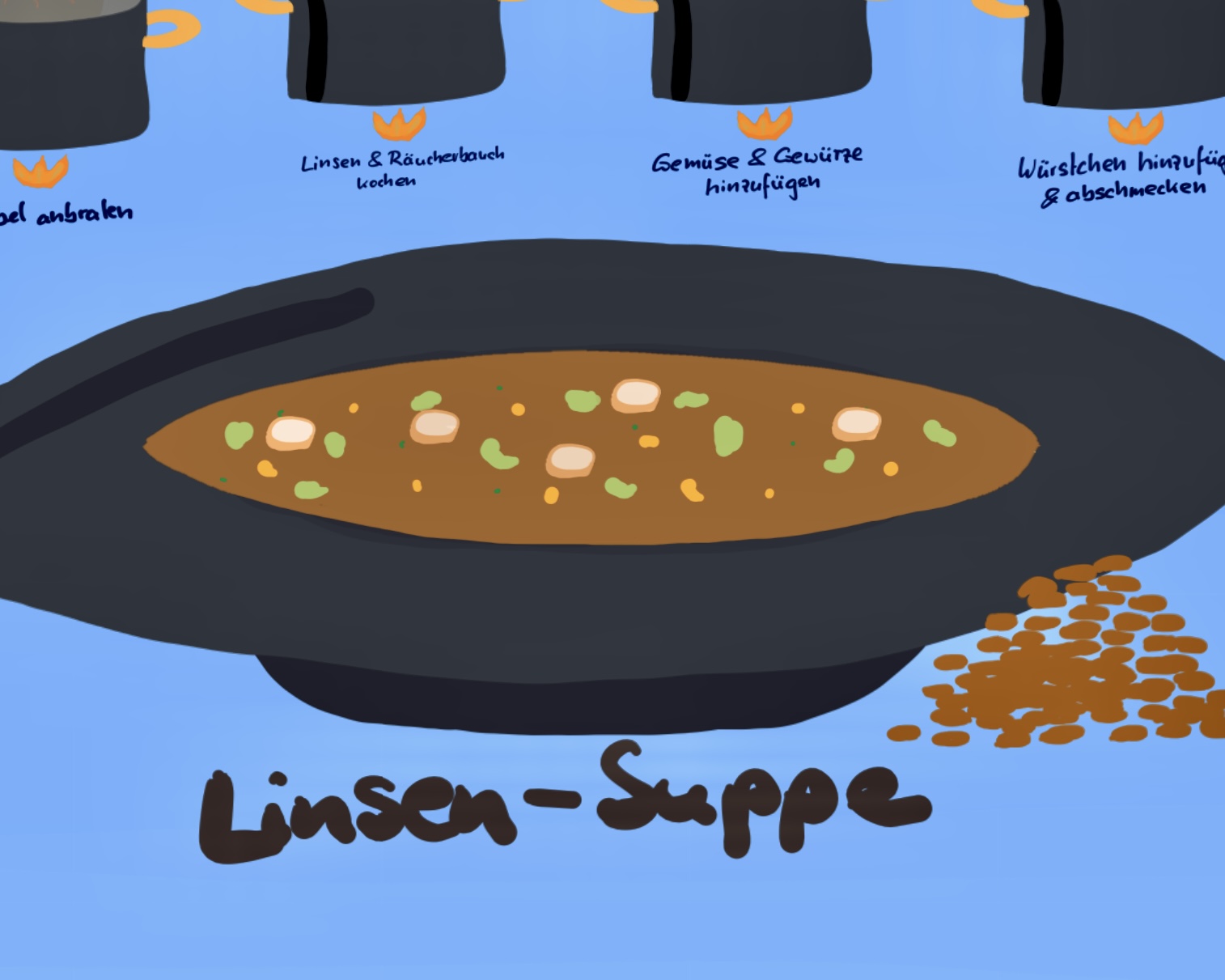
Lentil soup
Discover lentil soup on yummy.world! Protein-rich, hearty, and flavorful—great for meal prep.
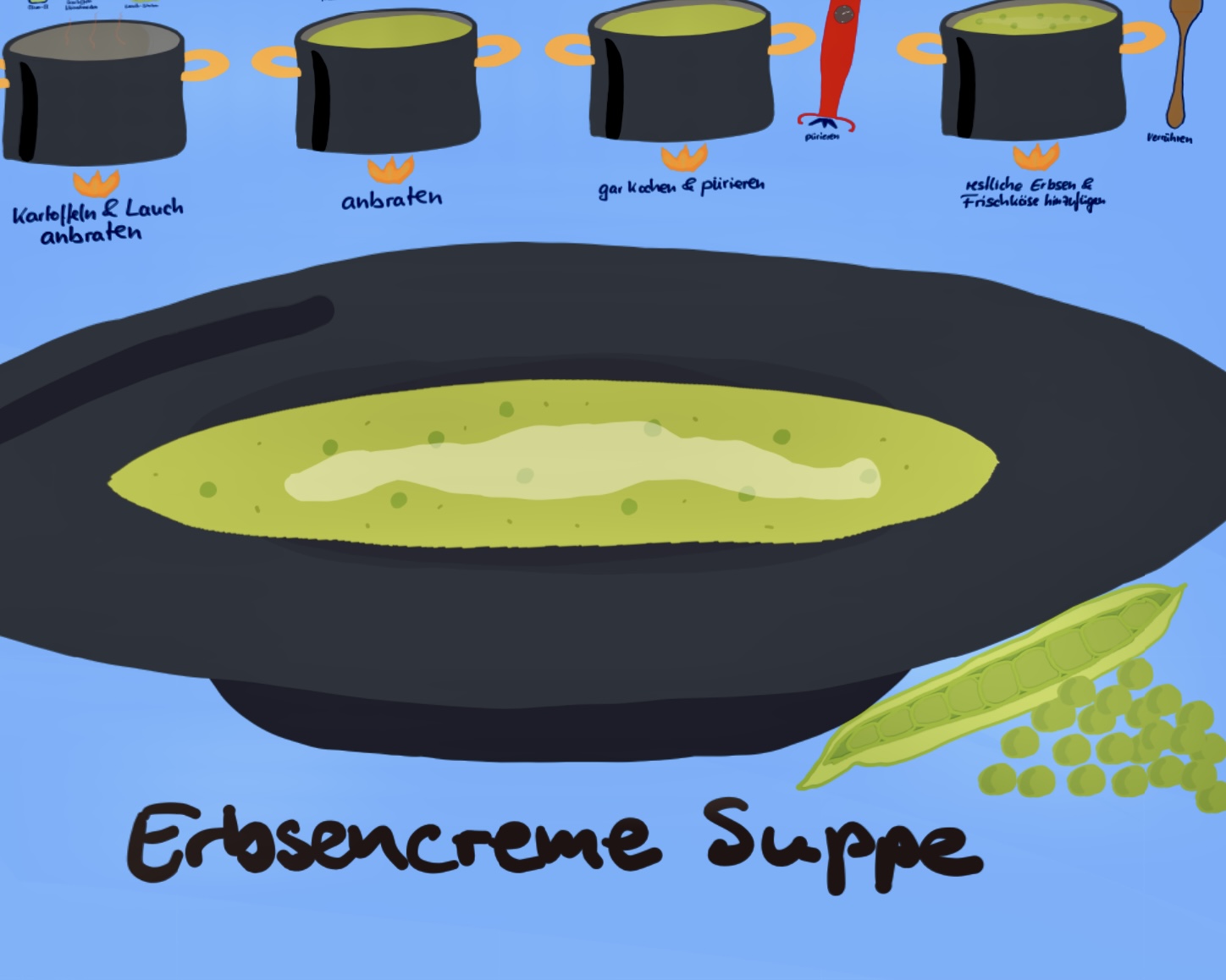
Pea Soup with herb cream cheese
Discover pea soup with herb cream cheese on yummy.world! Smooth, comforting soup with a fresh herby finish.
Pea Soup
Discover pea soup on yummy.world! Cozy, hearty classic—great with toppings and crusty bread.
Cauliflower Cream Soup
Discover cauliflower cream soup on yummy.world! Smooth, mild, and creamy—light comfort in a bowl.
Red lentil soup with coconut milk
Discover red lentil soup with coconut milk on yummy.world! Creamy, spiced, and gently exotic.
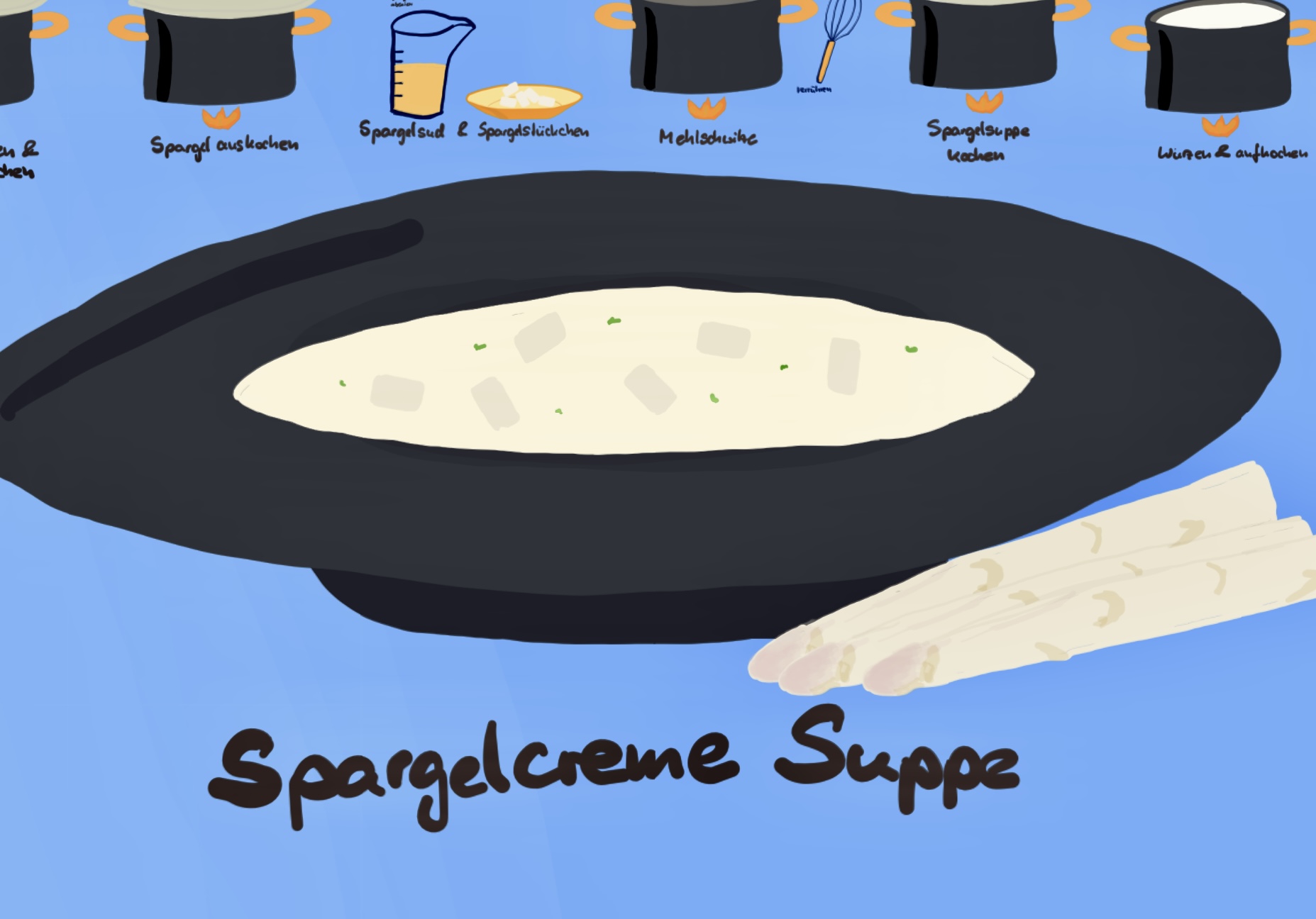
Cream of Asparagus Soup
Discover cream of asparagus soup on yummy.world! Silky seasonal soup—elegant, light, and flavorful.
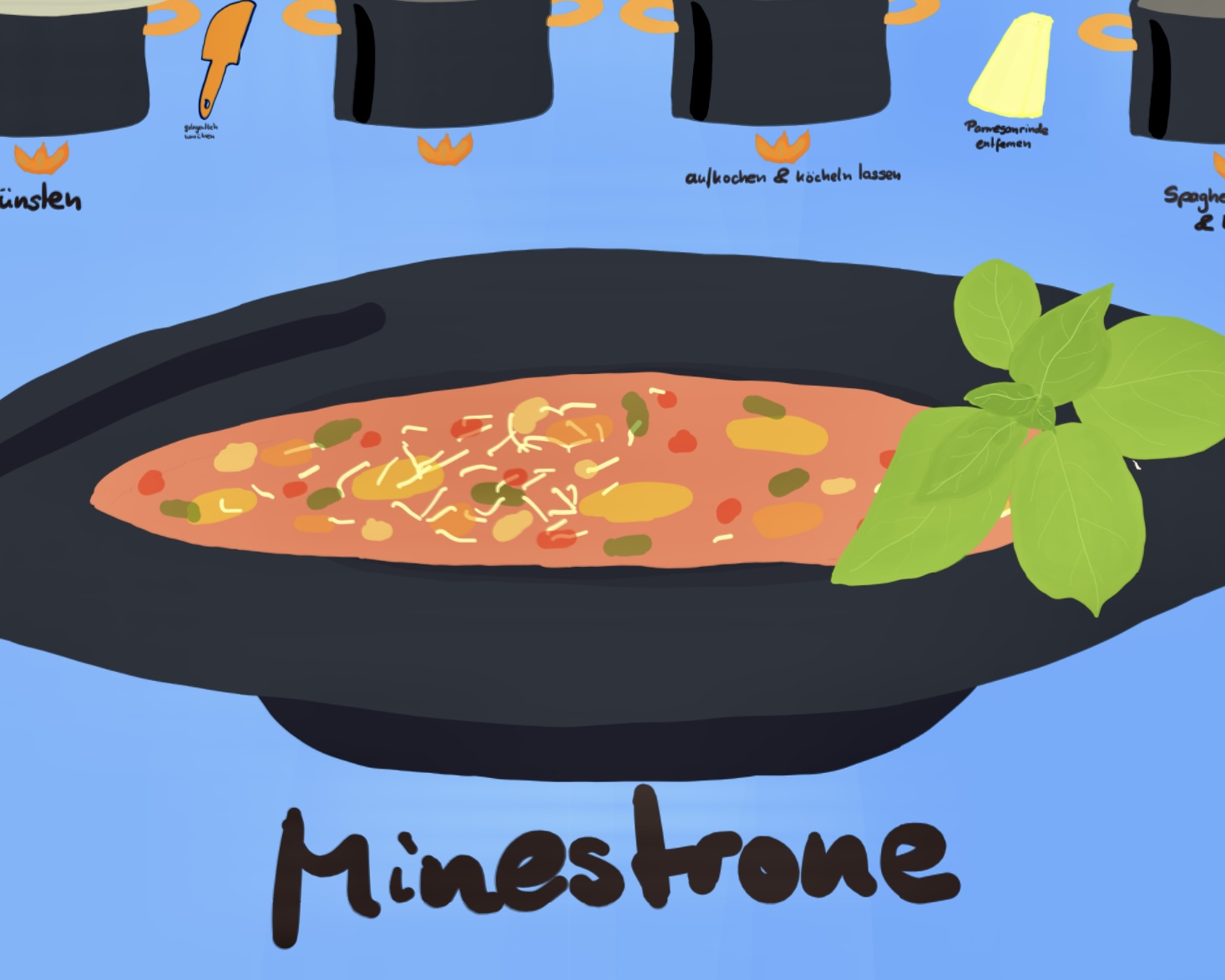
Minestrone
Discover minestrone on yummy.world! Italian vegetable soup—hearty, colorful, and satisfying.

Chestnut Soup
Creamy chestnut soup with roasted chestnuts and aromatics—velvety texture, optional apple or celery, cream or dairy-free; elegant starter for holidays, reheats well.
Cream of Champignon Soup
Discover cream of champignon soup on yummy.world! Creamy mushroom soup—aromatic, comforting, and quick.
Bouillabaisse
Discover bouillabaisse on yummy.world! Classic French fish soup—aromatic, impressive, and full of flavor.
Red beet soup with horseradish
Discover red beet soup with horseradish on yummy.world! Creamy, bold soup with a spicy kick—great as starter.
Cassoulet
Discover cassoulet on yummy.world! French bean stew—rich, rustic, and deeply satisfying.
Celeriac soup
Discover celeriac soup on yummy.world! Creamy, aromatic soup—easy comfort bowl with rich flavor.
Soljanka
Discover soljanka on yummy.world! Spicy-sour comfort soup—bold flavor and easy to make.
Miso Soup
Miso soup recipe: dashi broth with tofu and wakame—miso types explained, keep heat gentle to preserve flavor; finish with scallions. Quick, comforting, weeknight easy.
Ramen Soup
Make ramen soup with deep broth, springy noodles and smart toppings. Includes shoyu & miso options, jammy eggs, and no-soggy noodle tips.