
Hokkaido Pumpkin Soup with Coconut & Curry
Cook along on the interactive map
Ingredients 🧂🥕
- Red Kuri Squash1 g
- Onions2 pcs
- Floury Potatoes600 g
- Carrots2 pcs
- Coconut Milk100 ml
- Curry Powder8 g
- Butter30 g
- Nutmeg2 g
- Cane Sugar0.5 g
- Salt0.3 g
- Pepper black0.1 g
- Parsley flat-leaf6 g
Instructions 👩🍳
Step-by-step:
- Prepare the vegetables: Wash the Hokkaido pumpkin, remove its seeds and cut the flesh into pieces. Peel and chop the potatoes and carrots, and chop the onion. Use the illustrated recipe for the exact quantities, timings and cooking settings.
- Build the curry base: Soften the onion in the cooking fat, then stir in the curry and prepared vegetables.
- Cook until tender: Add the broth and cook until the pumpkin, potatoes and carrots are soft enough to blend.
- Blend with coconut milk: Blend the soup carefully until smooth and stir in the coconut milk for a creamy texture.
- Season and serve: Adjust the seasoning and serve the pumpkin soup evenly blended.
Hokkaido pumpkin soup with coconut milk and curry

Bright orange Hokkaido pumpkin soup makes a cozy bowl for a cool evening. Coconut milk softens the warm curry flavor, and a scattering of parsley adds a fresh finish. Bring the bread over and settle in.
Squash, vegetables and warm spices
Hokkaido, also called red kuri squash, cooks with floury potatoes, carrots and onion for a thick, smooth soup. Butter softens the onion; coconut milk adds creaminess. Curry powder, nutmeg and black pepper bring warmth, with cane sugar and salt completing the seasoning. Flat-leaf parsley goes on at the end. Water is the cooking liquid.
Cook until tender, then blend briefly
Wash your hands and rinse the squash, potatoes, carrots and parsley under running water. Pat the parsley dry. Dry the squash and place it on a stable board. Cut it open, remove the stem, seeds and stringy center, then cut into manageable pieces. The washed Hokkaido skin can stay on. Peel and chop the onion, potatoes and carrots.
If a small piece of squash tastes bitter, spit it out and discard the squash. Do not try to hide bitterness with sugar or spices; cooking does not destroy the harmful bitter compounds.
Melt the butter in a pot and soften the onion gently. Stir in the curry powder briefly without letting it scorch, then add squash, carrots and potatoes. Add water to just cover the vegetables and simmer until a fork slides easily through each kind of vegetable, including the squash skin.
Take the pot off the heat. Use an immersion blender only if its instructions allow hot soup, following its temperature limits. Keep the blade guard submerged while it runs and switch it off before lifting it out. Blend just until smooth; prolonged blending can make the potatoes gluey.
Stir in coconut milk, cane sugar, salt, pepper and nutmeg. Warm through gently, stirring along the bottom. Add a little water if needed so the soup flows from the spoon. Chop the parsley finely and scatter it over the bowls.
Something crisp beside the bowl
Serve with our whole-grain Toast. Its toasted flavor and crisp edges go well with the smooth squash and coconut. Cut it into strips for dipping, keeping it beside the bowl until you eat.
Small details for a smooth soup
- Compare the pieces. Even vegetable pieces cook more evenly than a mix of large chunks and thin slices.
- Check after adding coconut milk. It changes the thickness, so make your last water adjustment afterward.
- Stir before ladling. Bring the soup together again so the bowls have a similar consistency.
An optional ginger or lemon accent
For a sharper aroma, soften a little finely chopped ginger with the onion. Or add a squeeze of lemon at the end for a tangy contrast. These are optional variations; taste before adding more.
Save the soup in portions
Keep parsley and bread separate from stored soup. The potatoes may make it thicker in the refrigerator. Stir in a little water when reheating and scrape gently along the bottom to prevent sticking; another long blend is unnecessary.
Frequently asked questions
Do I need to peel Hokkaido squash?
No. Its skin is edible. Wash it thoroughly, remove damaged areas and cook the skin until tender with the flesh.
Is the soup vegan?
This version contains butter. For a vegan adaptation, replace it with plant oil and check that the other packaged ingredients are suitable too.
How do I cool and reheat leftovers?
Divide soup into shallow containers and refrigerate promptly at 40°F (4°C) or below, within two hours or one hour above 90°F (32°C). Do not leave the whole pot out to cool completely; discard soup left out longer. Reheat to 165°F (74°C) throughout, stirring and checking several places with a food thermometer.
Best Soups Recipes to Try at Home

Chicken Soup
Explore chicken soup with onion, garlic, carrot, and celery. Learn how gentle simmering, a thermometer check, and careful cooling support a good bowl.

White Bean Soup
Make white bean soup with cooked beans, onion, garlic, and celery. Learn how partial blending gives it body while leaving whole beans in every bowl.

Gazpacho
Cool gazpacho with tomatoes, cucumber and bell pepper. Blend, chill and season the soup, then serve it with diced vegetables and crisp whole-grain toast.

Goulash Soup
Tender beef, onions and paprika give this goulash soup its hearty flavor. Learn how to build a rich broth, choose vegetables and serve a warming bowl.

Italian Tomato Soup
San Marzano tomatoes, shallots, white wine and cream make a smooth tomato soup. Basil, Parmesan and whole grain toast add fresh flavor and a crisp bite.
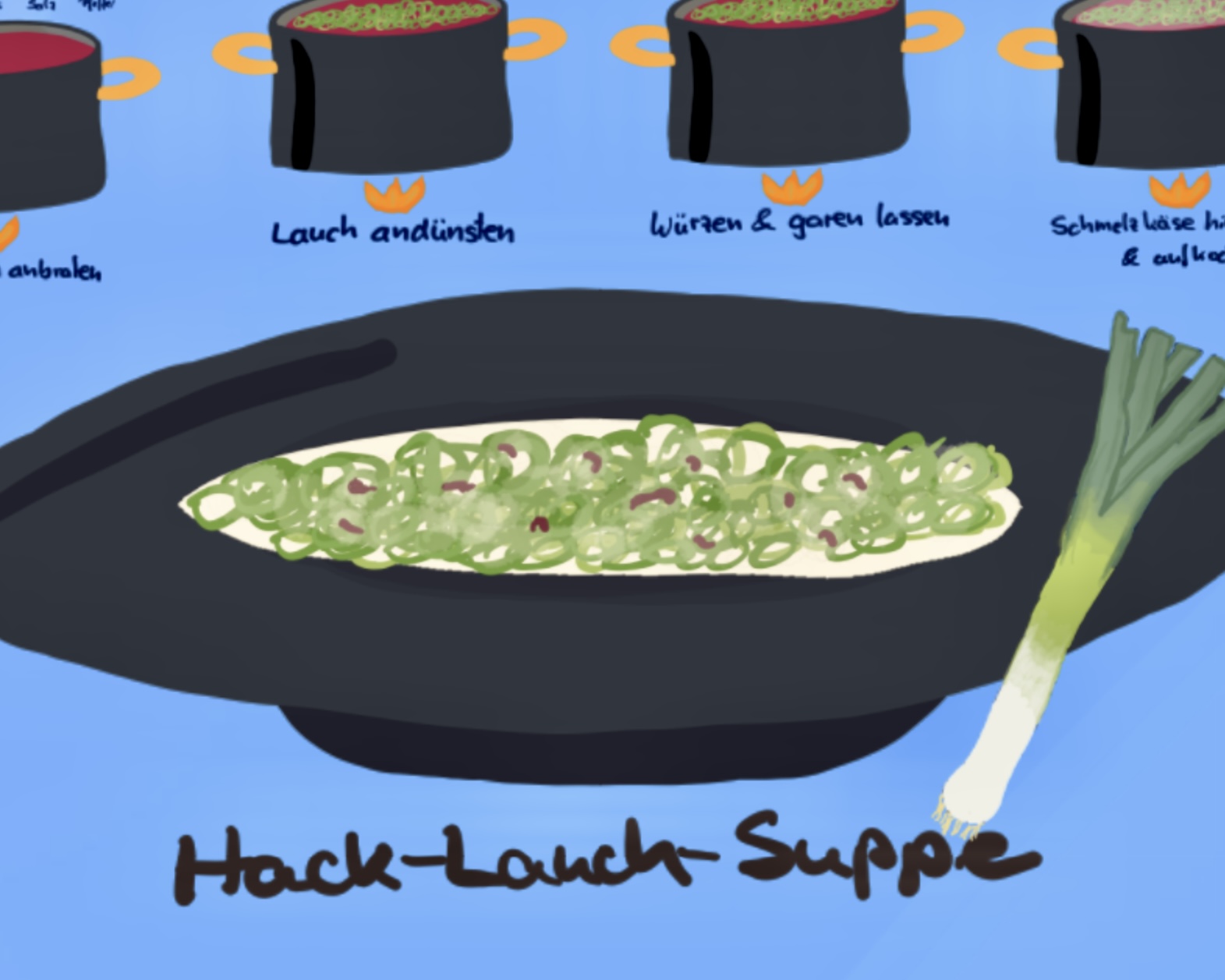
Cheese leek soup with mince
Make hearty ground beef and leek soup with potatoes, marjoram and oregano. Learn how to brown the beef, wash leeks and cook the potatoes until tender.

Green Bean Soup
Hearty green bean soup with tender beef, bacon and potatoes. Cook the beans thoroughly, build a flavorful broth and finish with herbs, vinegar and crisp toast.

Potato soup
Potato soup with Wiener sausages, carrot, leek and fresh herbs. Gently mash floury potatoes for a thick, comforting bowl and serve with crisp whole-grain toast.
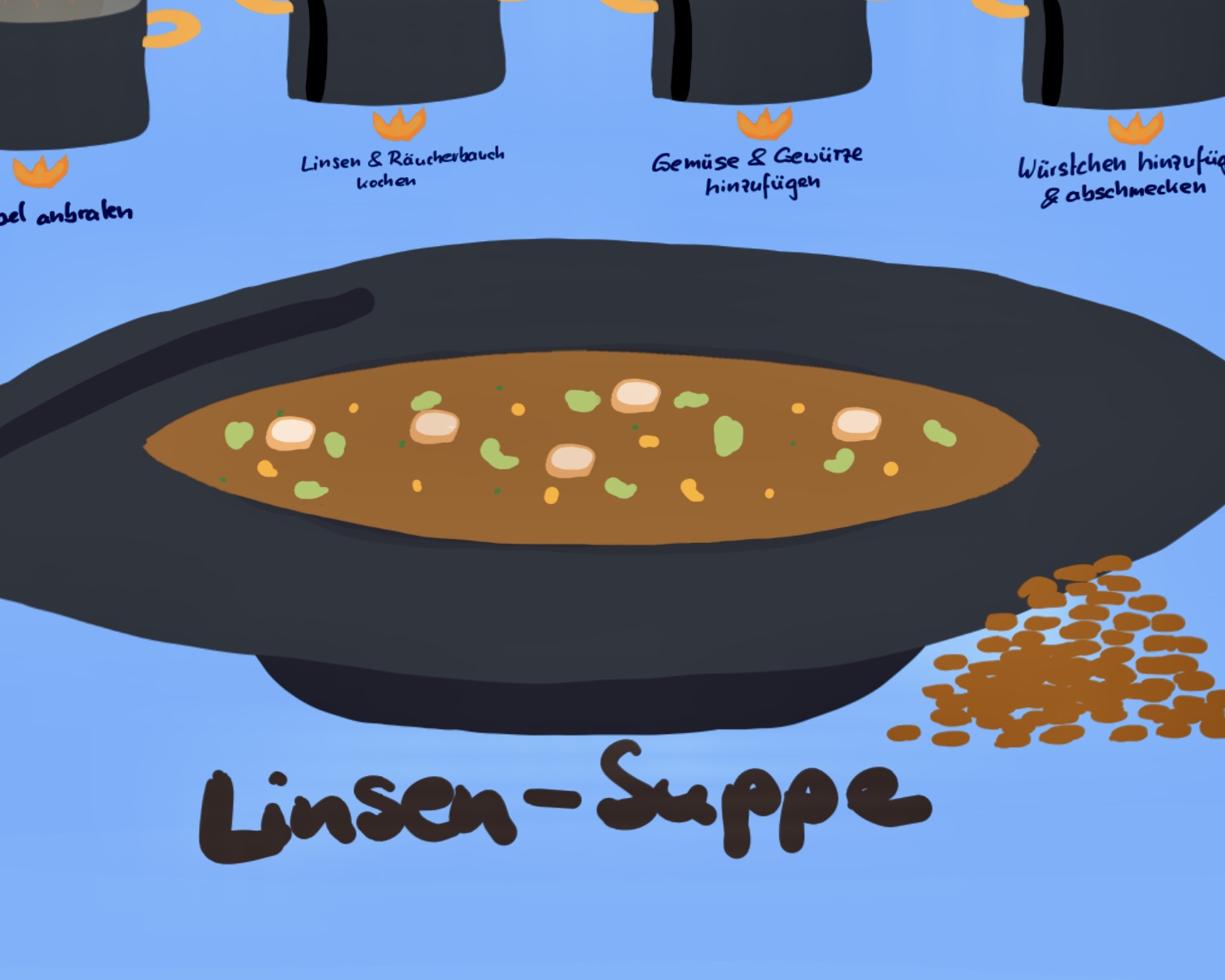
Lentil soup
Brown lentils, potatoes, bacon, and Wiener sausages make a hearty soup. Learn how to keep the lentils tender and balance the broth with balsamic vinegar.
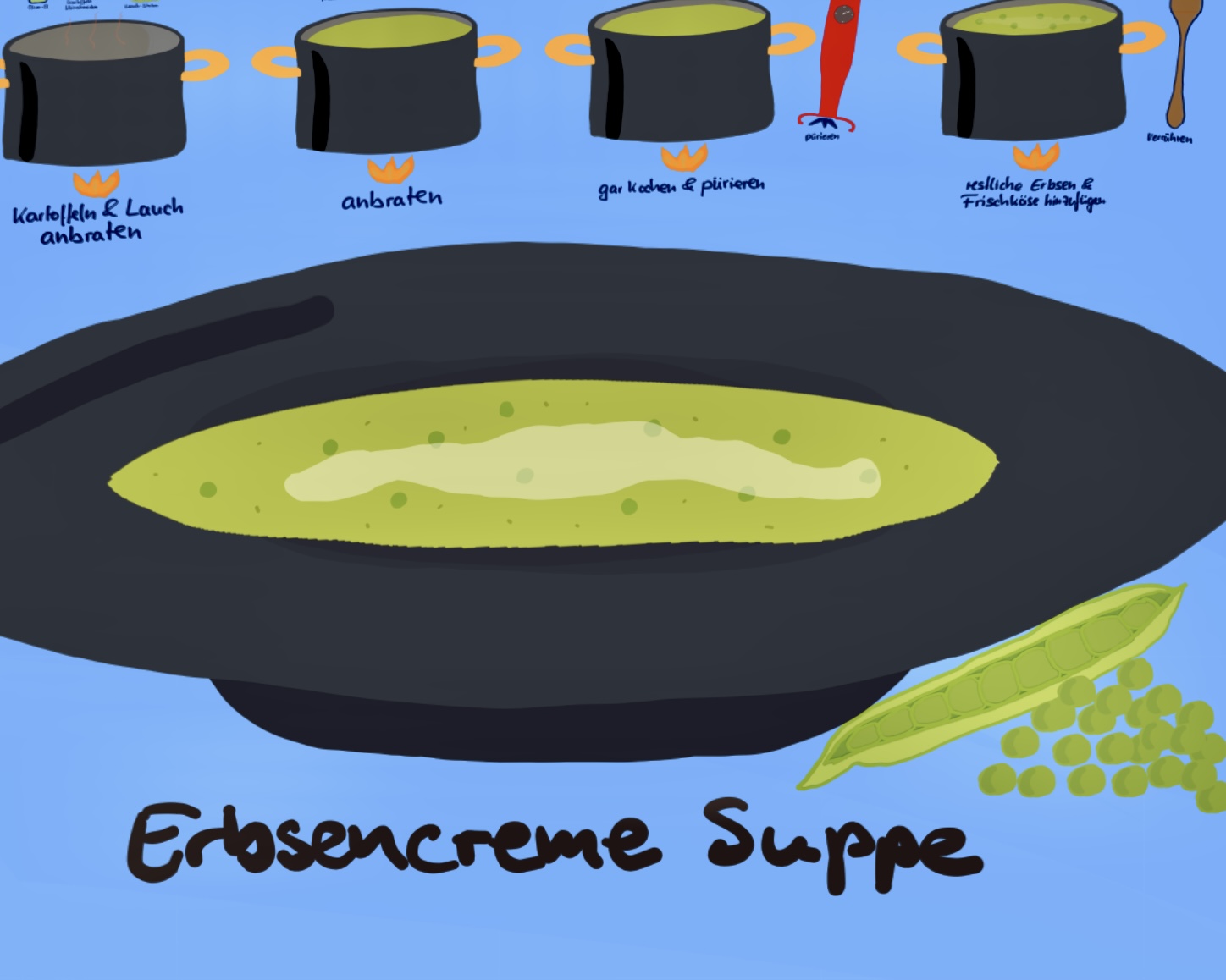
Pea Soup with herb cream cheese
Sweet peas, potatoes and leek make a cozy soup with herb cream cheese and horseradish. Find tips for smooth blending, gentle seasoning and a bread pairing.

Pea Soup
Make creamy pea soup with dried, fresh, or frozen peas, onion, garlic, and marjoram. Find the right texture, with optional bacon, ham, or a little cream.

Cauliflower Cream Soup
Make mild cauliflower cream soup with butter, broth, and cream or milk. Learn how to get a smooth texture, balance the nutmeg, and choose a side to serve.

Red lentil soup with coconut milk
Cook red lentils with curry, cumin, and creamy coconut milk, then finish with lime and herbs. Find texture tips and serving ideas for a warmly spiced soup.

Cream of Asparagus Soup
Creamy white asparagus soup with sour cream, egg, cooked ham and cress. Peel, blend and finish gently for a smooth bowl with lemon and crisp toast alongside.
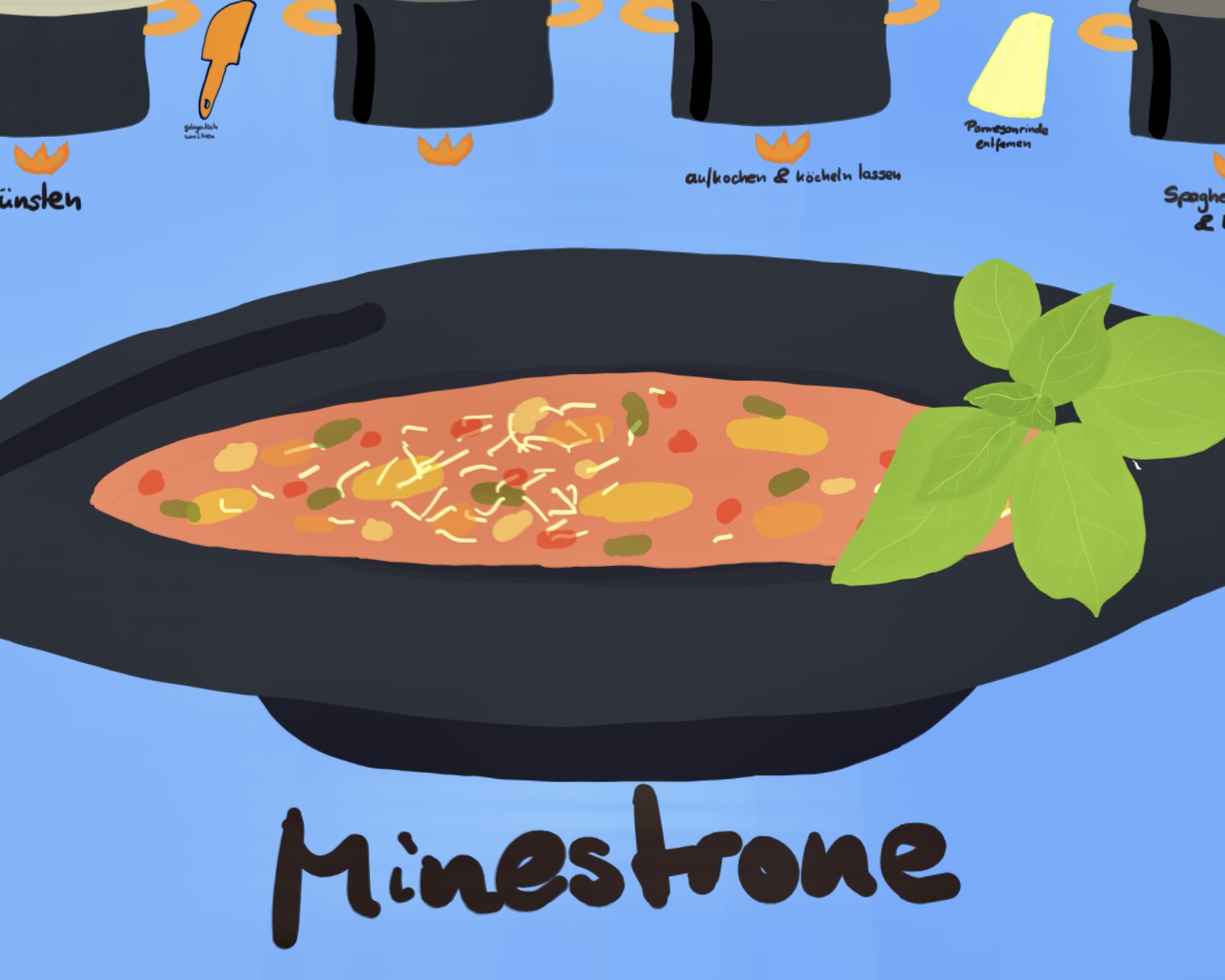
Minestrone
Minestrone with spaghetti, bacon and plenty of vegetables. Cook each ingredient until tender, then finish the tomato broth with fresh basil and Parmesan.
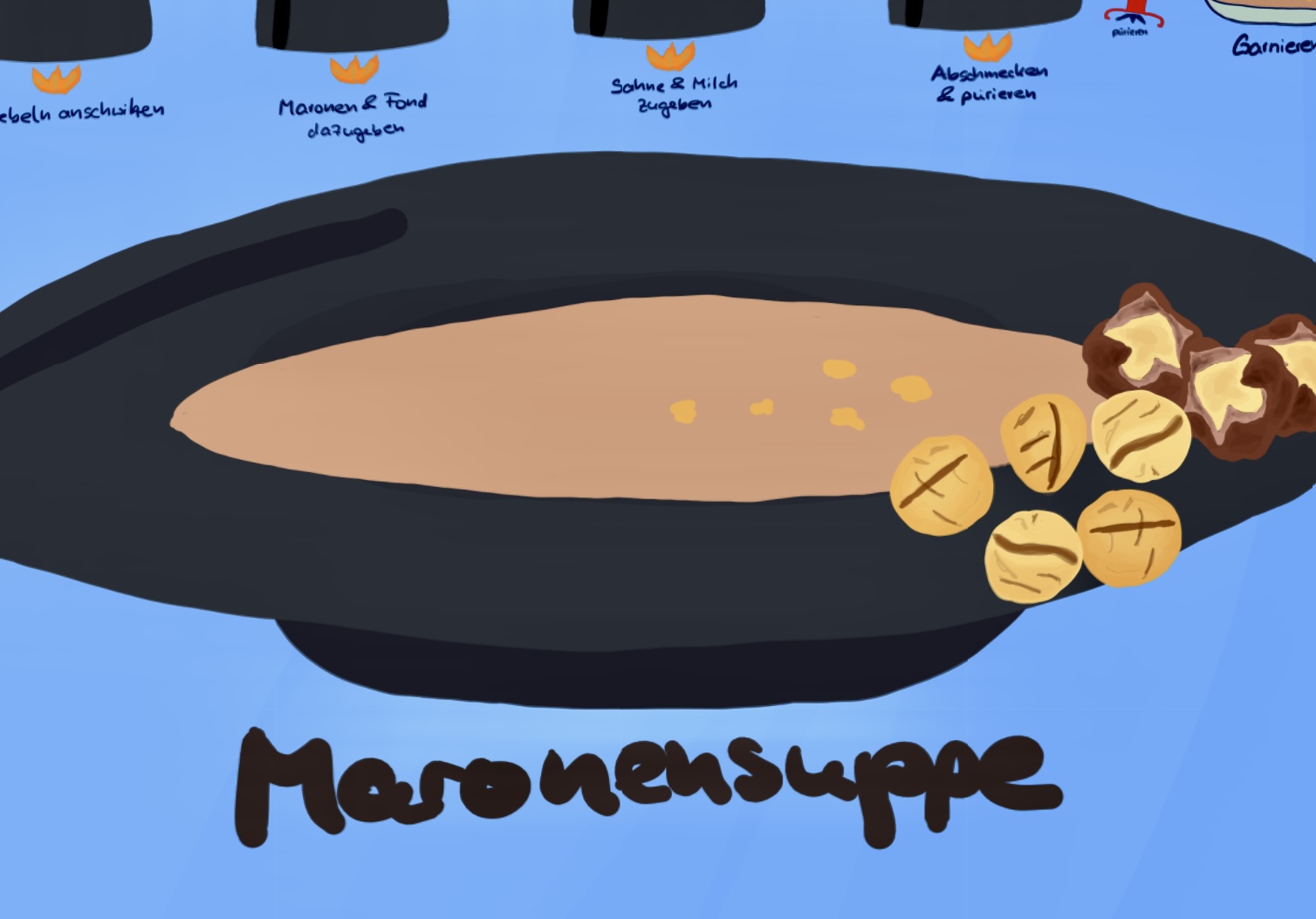
Chestnut Soup
Cooked chestnuts, onion, cream, and milk make a smooth, gently sweet soup. Discover how to balance the cinnamon and get a creamy texture that still pours.

Cream of Champignon Soup
Make cream of mushroom soup with browned mushrooms, shallots, and thyme. Explore smooth or chunky texture, toast on the side, and safe blending and reheating.

Bouillabaisse
Make bouillabaisse with tender fish in a tomato, fennel, and saffron broth. Learn how gentle cooking keeps the pieces intact, and serve with bread.

Red beet soup with horseradish
Make smooth beet soup with onion, broth, and a horseradish finish. Learn how to balance its texture and heat, blend safely, and serve it with warm bread.

Cassoulet
Tender beans, browned sausage, and meat simmer into a rich cassoulet. Learn how to keep the beans intact and the sauce thick, with bread and salad to serve.

Celeriac soup
Make smooth celeriac soup with onion, garlic, broth, and nutmeg. Learn to judge tenderness, blend safely, and choose toppings for a little crunch.
Soljanka
Make tangy Soljanka with pickles, meat or sausage, and tomato paste. Balance brine and lemon, handle the meat safely, and finish each bowl with sour cream.
Miso Soup
Make savory miso soup with tofu, wakame and scallions. Find tips for smooth miso, gentle stirring, easy variations and reheating leftovers.
Ramen Soup
Build a ramen bowl around savory broth and springy noodles. Learn how to handle toppings safely, keep noodles separate, and prepare components ahead.
Potato and Carrot Stew
Make potato and carrot stew with tender vegetables and savory broth. Choose potatoes for the texture you like, thicken naturally and handle leftovers safely.