
Miso Soup Recipe – Dashi, Tofu, Wakame & Gentle Heat
Instructions 👩🍳
Cook along on the interactive map
Miso Soup: light, savory umami with tofu, seaweed & a soothing finish
Miso soup is the definition of simple comfort: a light broth with deep umami, usually finished with tofu, seaweed, and spring onion. The difference between “okay” miso soup and truly great miso soup is all about gentle heat and smart seasoning. Miso is delicate—boiling can mute its flavor—so the best bowls stay warm and aromatic, not aggressively hot.
What makes miso soup taste “authentic”?
- Balanced umami: savory depth without heaviness.
- Soft textures: silky tofu and tender seaweed.
- Fresh finish: spring onion brings brightness and lift.
High-value tips for better miso soup
- Don’t boil after adding miso: keep the soup hot, but below a rolling boil so miso stays aromatic.
- Dissolve miso separately: mix miso with a little hot broth first, then stir it in for a smooth soup.
- Start with aromatics: ginger or garlic (optional) adds subtle warmth and depth.
- Season carefully: miso is salty—taste before adding extra salt or soy.
- Add toppings at the end: spring onion and delicate greens stay fresher.
Classic add-ins (and why they work)
- Tofu: mild and silky, perfect for soaking up miso flavor.
- Seaweed: adds ocean umami and texture (rehydrate gently).
- Spring onion: fresh bite that balances the broth.
- Mushrooms: extra umami depth (great for a heartier bowl).
Easy variations
- Heartier miso: add noodles or rice and more tofu for a light meal.
- Veggie miso: add spinach, bok choy, or napa cabbage (add late so it stays tender).
- Spicy miso: chili flakes or a little chili paste for heat.
- Protein twist: add shredded chicken or a soft-boiled egg for extra staying power.
Serving ideas
- As a starter: perfect before ramen, rice bowls, or stir-fries.
- As a light breakfast: warming, savory, and easy on the stomach.
- With sides: pair with rice, pickles, or a simple salad.
Storage & reheating
Miso soup is best fresh, but you can store it airtight in the fridge for 1–2 days. Reheat gently—avoid boiling so the miso flavor stays bright. If using seaweed, note that it softens over time (still tasty).
FAQ
Why does miso soup taste flat?
It may have been boiled after adding miso. Keep heat gentle, dissolve miso separately, and finish with spring onion for brightness.
Do I need to add salt?
Usually not—miso is salty. Taste first, then adjust carefully if needed.
What’s the easiest way to upgrade miso soup?
Add tofu, seaweed, spring onion, and a few mushrooms—instant extra umami with minimal effort.
Best Soups Recipes to Try at Home

Gazpacho
Discover gazpacho on yummy.world! Chilled Spanish tomato soup—refreshing, light, and perfect for hot days.
Goulash Soup
Discover goulash soup on yummy.world! Hearty, warming soup with paprika depth—perfect for cold days.

Italian Tomato Soup
Discover Italian tomato soup on yummy.world! Creamy classic soup with rich tomato flavor—quick and cozy.

Cheese leek soup with mince
Discover cheese leek soup with mince on yummy.world! Creamy comfort soup—savory, filling, and family-friendly.

Hokkaido Pumpkin Soup
Discover Hokkaido pumpkin soup on yummy.world! Creamy, cozy, and seasonal—easy autumn comfort.

Green Bean Soup
Discover green bean soup on yummy.world! Simple, hearty soup—great for a comforting family meal.

Potato soup
Discover potato soup on yummy.world! Creamy comfort bowl—easy to cook and perfect with toppings.

Lentil soup
Discover lentil soup on yummy.world! Protein-rich, hearty, and flavorful—great for meal prep.
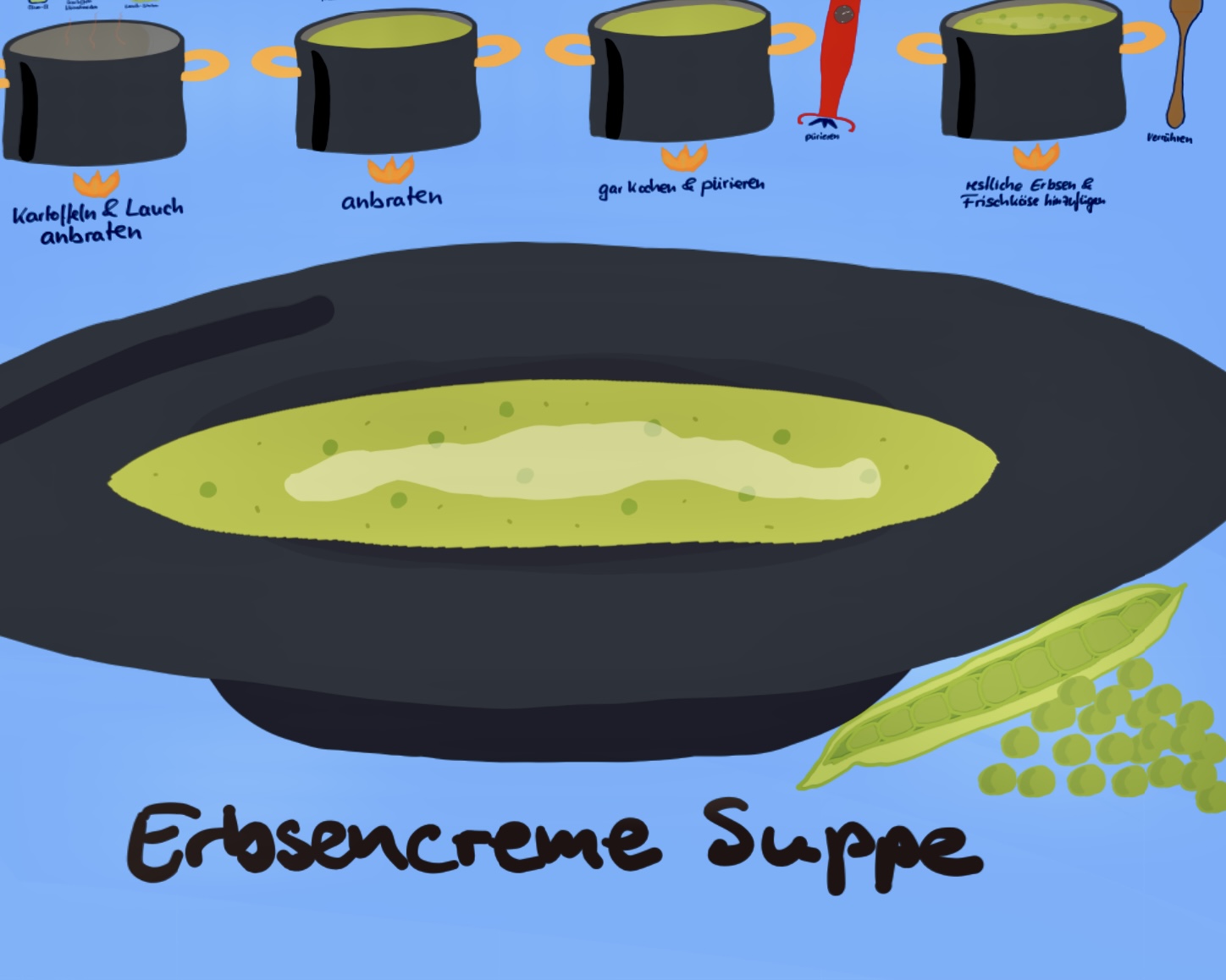
Pea Soup with herb cream cheese
Discover pea soup with herb cream cheese on yummy.world! Smooth, comforting soup with a fresh herby finish.
Pea Soup
Discover pea soup on yummy.world! Cozy, hearty classic—great with toppings and crusty bread.
Cauliflower Cream Soup
Discover cauliflower cream soup on yummy.world! Smooth, mild, and creamy—light comfort in a bowl.
Red lentil soup with coconut milk
Discover red lentil soup with coconut milk on yummy.world! Creamy, spiced, and gently exotic.

Cream of Asparagus Soup
Discover cream of asparagus soup on yummy.world! Silky seasonal soup—elegant, light, and flavorful.

Minestrone
Discover minestrone on yummy.world! Italian vegetable soup—hearty, colorful, and satisfying.

Chestnut Soup
Creamy chestnut soup with roasted chestnuts and aromatics—velvety texture, optional apple or celery, cream or dairy-free; elegant starter for holidays, reheats well.
Cream of Champignon Soup
Discover cream of champignon soup on yummy.world! Creamy mushroom soup—aromatic, comforting, and quick.
Cassoulet
Discover cassoulet on yummy.world! French bean stew—rich, rustic, and deeply satisfying.
Bouillabaisse
Discover bouillabaisse on yummy.world! Classic French fish soup—aromatic, impressive, and full of flavor.
Red beet soup with horseradish
Discover red beet soup with horseradish on yummy.world! Creamy, bold soup with a spicy kick—great as starter.
Celeriac soup
Discover celeriac soup on yummy.world! Creamy, aromatic soup—easy comfort bowl with rich flavor.
White Bean Soup
Discover white bean soup on yummy.world! Hearty, rustic soup—perfect with crusty bread.
Soljanka
Discover soljanka on yummy.world! Spicy-sour comfort soup—bold flavor and easy to make.
Ramen Soup
Make ramen soup with deep broth, springy noodles and smart toppings. Includes shoyu & miso options, jammy eggs, and no-soggy noodle tips.
Chicken Soup
Make flavorful chicken soup with tender chicken, vegetables and clear broth—tips for rich taste, less grease, plus storage and meal-prep ideas.