
Soup Recipes: Cozy, Hearty & Easy One-Pot Comfort
Recipes on the interactive map 👩🍳
Cook along on the interactive map
Soup recipes: creamy, brothy, hearty, and seasonal soups for easy comfort food all year round
Soups are one of the most versatile recipe categories because they solve real everyday cooking needs: quick lunches, cozy dinners, meal prep, seasonal cooking, elegant starters, and hearty one-pot meals. A strong soup collection should help you choose the right direction, whether you want something silky and creamy, light and brothy, protein-rich and filling, deeply comforting, or fresh and seasonal. This soup hub brings together creamy soups, brothy soups, legume soups, hearty soups, and chilled soups so it is easier to find the right bowl for the mood, the season, and the level of comfort you want.
Why soup recipes work so well
- Soups fit many occasions: They work as light lunches, full dinners, elegant starters, family meals, and practical meal-prep recipes.
- Strong category variety: Creamy soups, brothy soups, lentil and bean soups, hearty meat-based soups, and chilled soups all serve different needs.
- Perfect across the seasons: Gazpacho and light tomato soups shine in summer, asparagus and pea soups feel spring-like, pumpkin and chestnut soups fit autumn, and lentil, potato, bean, and goulash soups are ideal for colder days.
- Easy to personalize: Soups can be smoother, chunkier, lighter, richer, more vegetable-forward, more protein-rich, or more filling.
- Excellent for meal planning: Many soups store, reheat, and freeze well, which makes them especially practical for busy weeks.
High-value tips: how to choose the right soup and build a better bowl
- Start with the texture goal: Choose creamy soups when you want smooth comfort, brothy soups when you want lighter structure, and hearty soups when the bowl should feel closer to a full meal.
- Use a simple soup builder:Aromatic base + main ingredient + liquid + texture choice + finishing balance. This keeps soups clear and structured instead of random.
- Control moisture and consistency: Creamy soups should be blended first and adjusted after, while brothy soups need enough liquid clarity so they do not feel thin or watery.
- Think in categories: Tomato soup, pumpkin soup, mushroom soup, cauliflower soup, and asparagus soup fit creamy comfort; minestrone, fish soup, and vegetable soup lean more brothy and structured; lentil soup, pea soup, and white bean soup are strong for meal prep.
- Balance richness with freshness: Creamy and hearty soups benefit from acid, herbs, pepper, seeds, croutons, or yogurt-based toppings so the bowl feels complete instead of heavy.
- Add ingredients by cook time: For brothy soups and mixed vegetable soups, stagger ingredients so vegetables stay tender and not mushy.
- Use toppings with purpose: Bread, croutons, herbs, cream swirls, seeds, lemon, or chili oil can turn a basic soup into a full high-value meal.
Variations & alternatives
- Creamy soups: Tomato soup, pumpkin soup, mushroom soup, cauliflower cream soup, pea soup, asparagus cream soup, chestnut soup, and celeriac soup are strong choices when you want smooth comfort.
- Brothy soups: Minestrone, green bean soup, fish soup, vegetable soups, and lighter tomato-based soups are ideal when you want visible ingredients and a fresher feel.
- Legume soups: Lentil soup, red lentil soup with coconut milk, pea soup, white bean soup, and bean-rich soups are especially practical, filling, and meal-prep friendly.
- Hearty soups: Goulash soup, cheese leek soup with mince, chicken soup, cassoulet-style bowls, and rustic bean soups are built for bigger appetites and colder days.
- Chilled and seasonal soups: Gazpacho and other fresh vegetable-led soups are ideal for warm weather, brunch, and lighter starters.
- Globally inspired soups: Bouillabaisse, miso soup, ramen soup, soljanka, and other international soup styles bring even more range to the category.
Serving ideas / pairings
- Classic comfort bowl: Serve creamy soups with croutons, seeds, cream, herbs, and good bread for contrast.
- Lighter lunch soup: Pair brothy vegetable soups or minestrone with baguette, sourdough, or a small salad.
- Hearty dinner soup: Lentil soup, white bean soup, goulash soup, ramen soup, or chicken soup work especially well with bread and stronger toppings.
- Guest-friendly starter: Smooth tomato soup, asparagus cream soup, chestnut soup, beet soup, or bouillabaisse-style soups make elegant opening courses.
- Seasonal menu pairing: Use spring soups with herbs and light breads, summer soups with chilled finishes, and autumn-winter soups with richer breads and roasted toppings.
Storage, meal prep & reheating
Soup recipes are among the most meal-prep-friendly dishes because many soups improve after resting. Creamy soups often thicken in the fridge and may need stock or water when reheated. Brothy soups usually stay lighter, though pasta, noodles, rice, and delicate vegetables can soften over time. Legume soups become thicker and often even more flavorful the next day. For the best texture, keep crunchy toppings, herbs, dairy swirls, and bright finishing elements separate until serving.
FAQ
What types of soups belong in a strong soup recipe collection?
A good soup hub usually includes creamy soups, brothy soups, legume soups, hearty soups, and chilled or seasonal soups.
Which soup recipes are best for meal prep?
Lentil soup, bean soup, tomato soup, pumpkin soup, potato soup, and minestrone are especially reliable because they store and reheat well.
How do I choose the right soup for the season?
Go lighter and fresher in spring and summer, and choose creamier, heartier, or more filling soups in autumn and winter.
What makes a soup taste complete?
A strong base, the right consistency, enough seasoning, and a final balance of richness, freshness, and texture make the biggest difference.
How do I avoid repetitive soup cooking?
Rotate by category: creamy, brothy, hearty, legume-based, and chilled soups all create very different soup experiences.
Best Soups Recipes to Try at Home

Chicken Soup
Make flavorful chicken soup with tender chicken, vegetables and clear broth—tips for rich taste, less grease, plus storage and meal-prep ideas.
White Bean Soup
Discover white bean soup on yummy.world! Hearty, rustic soup—perfect with crusty bread.
Gazpacho
Discover gazpacho on yummy.world! Chilled Spanish tomato soup—refreshing, light, and perfect for hot days.
Goulash Soup
Discover goulash soup on yummy.world! Hearty, warming soup with paprika depth—perfect for cold days.

Italian Tomato Soup
Discover Italian tomato soup on yummy.world! Creamy classic soup with rich tomato flavor—quick and cozy.
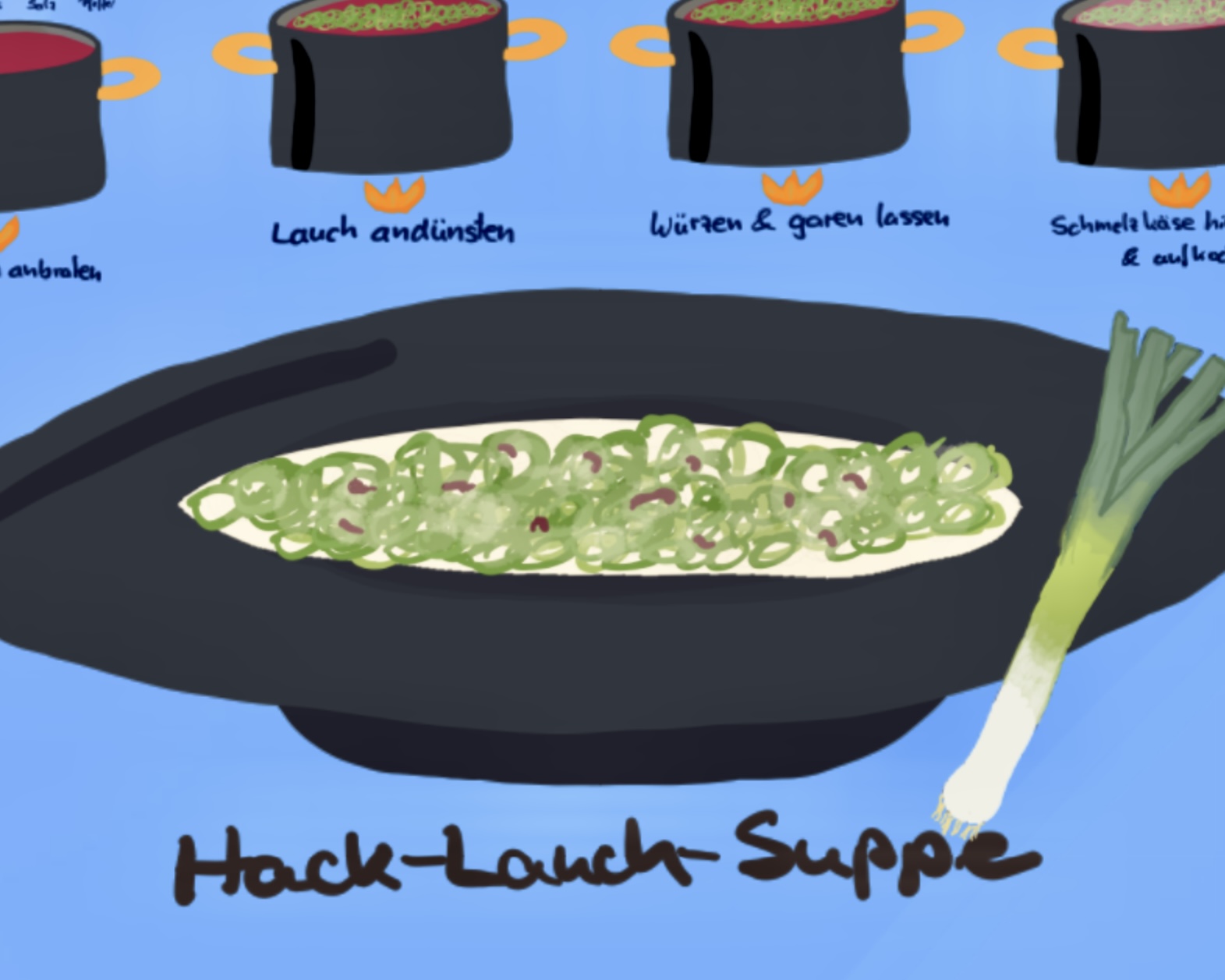
Cheese leek soup with mince
Discover cheese leek soup with mince on yummy.world! Creamy comfort soup—savory, filling, and family-friendly.

Hokkaido Pumpkin Soup
Discover Hokkaido pumpkin soup on yummy.world! Creamy, cozy, and seasonal—easy autumn comfort.

Green Bean Soup
Discover green bean soup on yummy.world! Simple, hearty soup—great for a comforting family meal.

Potato soup
Discover potato soup on yummy.world! Creamy comfort bowl—easy to cook and perfect with toppings.

Lentil soup
Discover lentil soup on yummy.world! Protein-rich, hearty, and flavorful—great for meal prep.

Pea Soup with herb cream cheese
Discover pea soup with herb cream cheese on yummy.world! Smooth, comforting soup with a fresh herby finish.
Pea Soup
Discover pea soup on yummy.world! Cozy, hearty classic—great with toppings and crusty bread.
Cauliflower Cream Soup
Discover cauliflower cream soup on yummy.world! Smooth, mild, and creamy—light comfort in a bowl.
Red lentil soup with coconut milk
Discover red lentil soup with coconut milk on yummy.world! Creamy, spiced, and gently exotic.

Cream of Asparagus Soup
Discover cream of asparagus soup on yummy.world! Silky seasonal soup—elegant, light, and flavorful.

Minestrone
Discover minestrone on yummy.world! Italian vegetable soup—hearty, colorful, and satisfying.

Chestnut Soup
Creamy chestnut soup with roasted chestnuts and aromatics—velvety texture, optional apple or celery, cream or dairy-free; elegant starter for holidays, reheats well.
Cream of Champignon Soup
Discover cream of champignon soup on yummy.world! Creamy mushroom soup—aromatic, comforting, and quick.
Bouillabaisse
Discover bouillabaisse on yummy.world! Classic French fish soup—aromatic, impressive, and full of flavor.
Red beet soup with horseradish
Discover red beet soup with horseradish on yummy.world! Creamy, bold soup with a spicy kick—great as starter.
Cassoulet
Discover cassoulet on yummy.world! French bean stew—rich, rustic, and deeply satisfying.
Celeriac soup
Discover celeriac soup on yummy.world! Creamy, aromatic soup—easy comfort bowl with rich flavor.
Soljanka
Discover soljanka on yummy.world! Spicy-sour comfort soup—bold flavor and easy to make.
Miso Soup
Miso soup recipe: dashi broth with tofu and wakame—miso types explained, keep heat gentle to preserve flavor; finish with scallions. Quick, comforting, weeknight easy.
Ramen Soup
Make ramen soup with deep broth, springy noodles and smart toppings. Includes shoyu & miso options, jammy eggs, and no-soggy noodle tips.