
Bouillabaisse Recipe: Classic French fish soup
Instructions 👩🍳
Cook along on the interactive map
Step-by-step:
- Prep seafood: Clean and cut fish/seafood into pieces.
Show all steps...
- Build broth: Sauté onion, garlic, fennel; add tomatoes, broth, and saffron.
- Simmer base: Simmer 15–20 minutes to develop flavor.
- Cook seafood: Add firm fish first, then delicate seafood; cook just until done.
- Serve: Serve hot with bread and optional rouille.
Bouillabaisse: Provence-style fish soup with saffron, depth, and a clean ocean finish
Bouillabaisse is not “just fish soup.” It’s a layered, aromatic broth from the south of France—tomato, fennel, herbs, and saffron—finished with gently poached fish that stays tender and juicy. The key is method: build the broth first, keep the heat gentle, and add seafood at the end so nothing turns rubbery or tastes “fishy.” It’s the ultimate weekend comfort meal for guests, with real restaurant energy.
Why bouillabaisse works so well
- Layered flavor: Aromatics + tomato + herbs + saffron create depth without heaviness.
- Gentle poaching: Fish cooks in hot broth, staying tender instead of drying out.
- Clean ocean taste: Fresh seafood, acid, and controlled heat prevent off flavors.
- Great texture contrast: Tender fish, crisp-tender veg, and creamy rouille with crunchy toast.
- Flexible and scalable: Make it luxe with premium fish or keep it budget-friendly with firm white fish.
High-value tips: How to make bouillabaisse really good
- Broth first, fish last: Sweat onion, fennel, leek, and garlic over gentle heat, then add tomato, herbs, and stock. Add seafood only at the end.
- Use saffron wisely: Bloom saffron in warm broth (or hot water) before adding—this unlocks aroma instead of wasting it.
- Tomato balance: Briefly cook tomato paste to deepen umami, then add tomatoes in moderation so it stays “brothy,” not sauce-like.
- Keep it at a simmer: Avoid a rolling boil. High heat toughens fish and clouds the broth.
- Add seafood by cook time: Firm fish first (monkfish-style texture), delicate fish later. Mussels and shrimp go in last.
- Salt at the end: Fish stock can be salty—fine-tune seasoning right before serving.
- Finish with acid: A squeeze of lemon brightens the whole pot and keeps flavors clean.
Variations & alternatives
- Budget bouillabaisse: Use affordable firm fish and lean on the broth for flavor; add extra fennel and herbs.
- With mussels: Adds briny complexity—use only fresh, closed mussels and discard any that don’t open.
- No alcohol: White wine is classic, but you can skip it and finish with extra lemon for lift.
- Spicy: A pinch of chili or cayenne adds warmth (keep it subtle so saffron stays the star).
- More filling: Add potatoes (classic in many home versions) for a heartier bowl.
- Fast rouille: Stir garlic, paprika, and a little chili into mayo or aioli—quick, creamy, and perfect with toast.
Serving ideas / pairings
- Classic: Toasted baguette (crostini) with rouille; optionally a little grated cheese on top.
- Fresh finish: Parsley or fennel fronds plus lemon zest.
- Extra crunch: More croutons or crispy garlic chips.
- Side salad: A simple green salad with vinaigrette is perfect for contrast.
- Guest-friendly plating: Poach fish in the hot broth, then portion fish into bowls and ladle broth over—cleaner presentation.
Storage, meal prep & reheating
Bouillabaisse is best the day it’s made because seafood texture changes quickly. The best meal-prep move: make the broth (without fish) 1–2 days ahead and chill it. When you’re ready to serve, reheat the broth to a gentle simmer and poach the fish/seafood right before eating. Leftovers can be kept for about 1 day in the fridge; reheat very gently (do not boil) to avoid drying out the fish. Freezing works best with the broth only.
FAQ
Do I have to use saffron?
Saffron is the signature. Without it, you’ll still have a great Provençal fish soup, but it won’t taste quite like bouillabaisse.
Why did my broth turn cloudy?
Usually from boiling or aggressive stirring. Keep a gentle simmer and stir minimally.
How do I keep the fish from overcooking?
Add fish at the end and poach gently. Most pieces need only a few minutes, depending on thickness.
What seafood works best?
Choose firm white fish that won’t fall apart; add shrimp and/or mussels at the end for complexity.
Can I make it the day before?
Yes—make the broth ahead. Add and cook seafood fresh right before serving for the best texture.
Best Soups Recipes to Try at Home

Chicken Soup
Make flavorful chicken soup with tender chicken, vegetables and clear broth—tips for rich taste, less grease, plus storage and meal-prep ideas.
White Bean Soup
Discover white bean soup on yummy.world! Hearty, rustic soup—perfect with crusty bread.
Gazpacho
Discover gazpacho on yummy.world! Chilled Spanish tomato soup—refreshing, light, and perfect for hot days.
Goulash Soup
Discover goulash soup on yummy.world! Hearty, warming soup with paprika depth—perfect for cold days.

Italian Tomato Soup
Discover Italian tomato soup on yummy.world! Creamy classic soup with rich tomato flavor—quick and cozy.
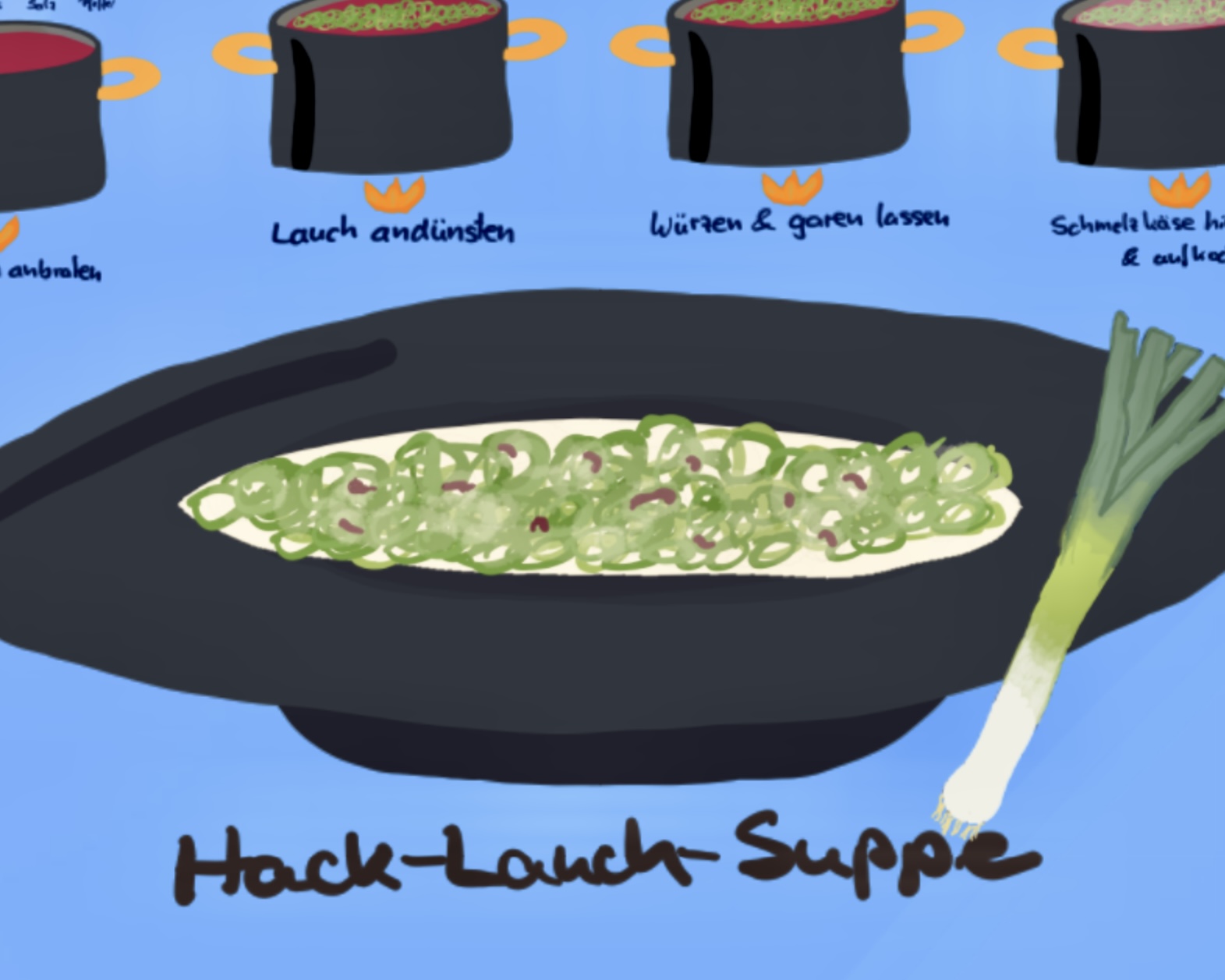
Cheese leek soup with mince
Discover cheese leek soup with mince on yummy.world! Creamy comfort soup—savory, filling, and family-friendly.

Hokkaido Pumpkin Soup
Discover Hokkaido pumpkin soup on yummy.world! Creamy, cozy, and seasonal—easy autumn comfort.

Green Bean Soup
Discover green bean soup on yummy.world! Simple, hearty soup—great for a comforting family meal.

Potato soup
Discover potato soup on yummy.world! Creamy comfort bowl—easy to cook and perfect with toppings.
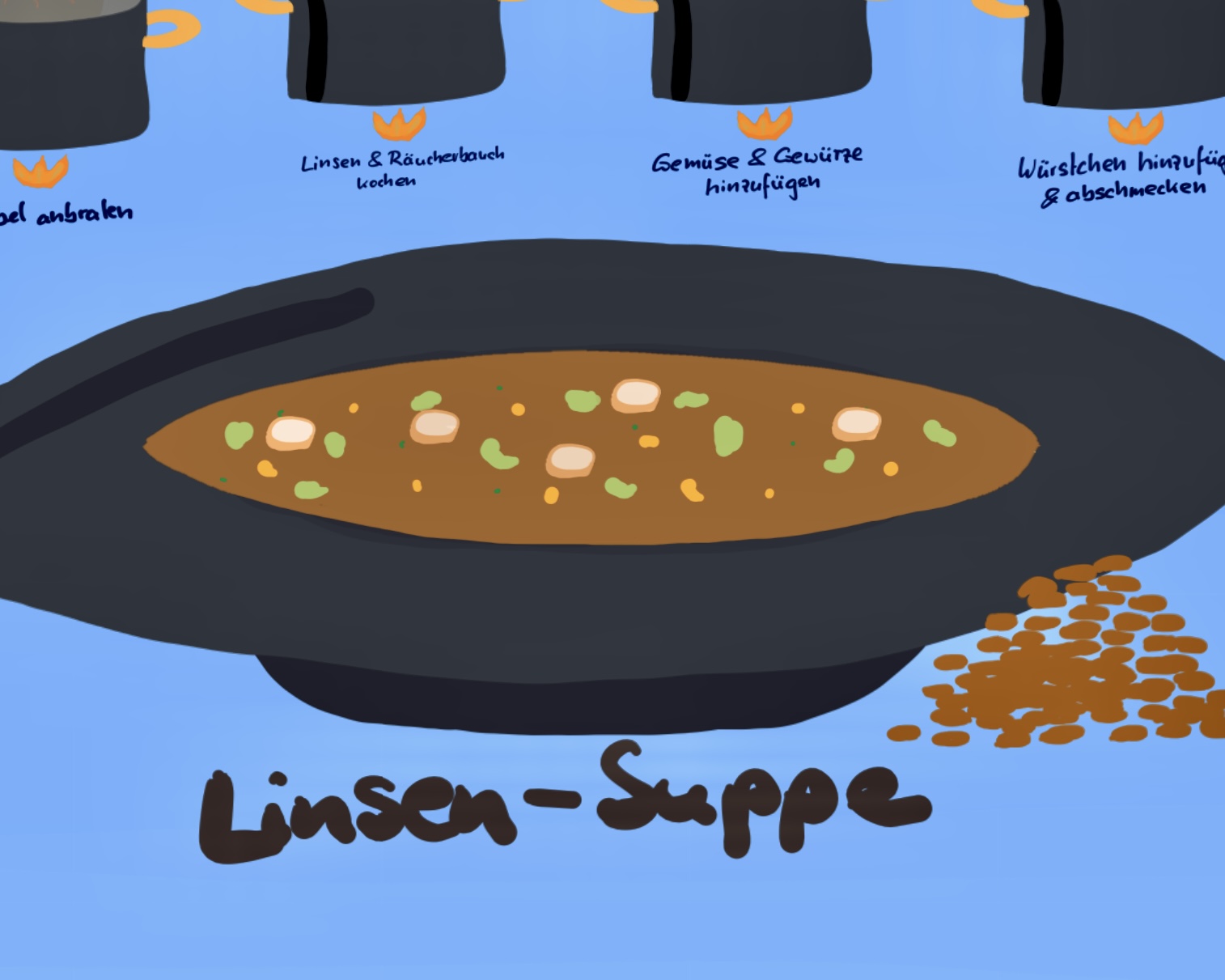
Lentil soup
Discover lentil soup on yummy.world! Protein-rich, hearty, and flavorful—great for meal prep.
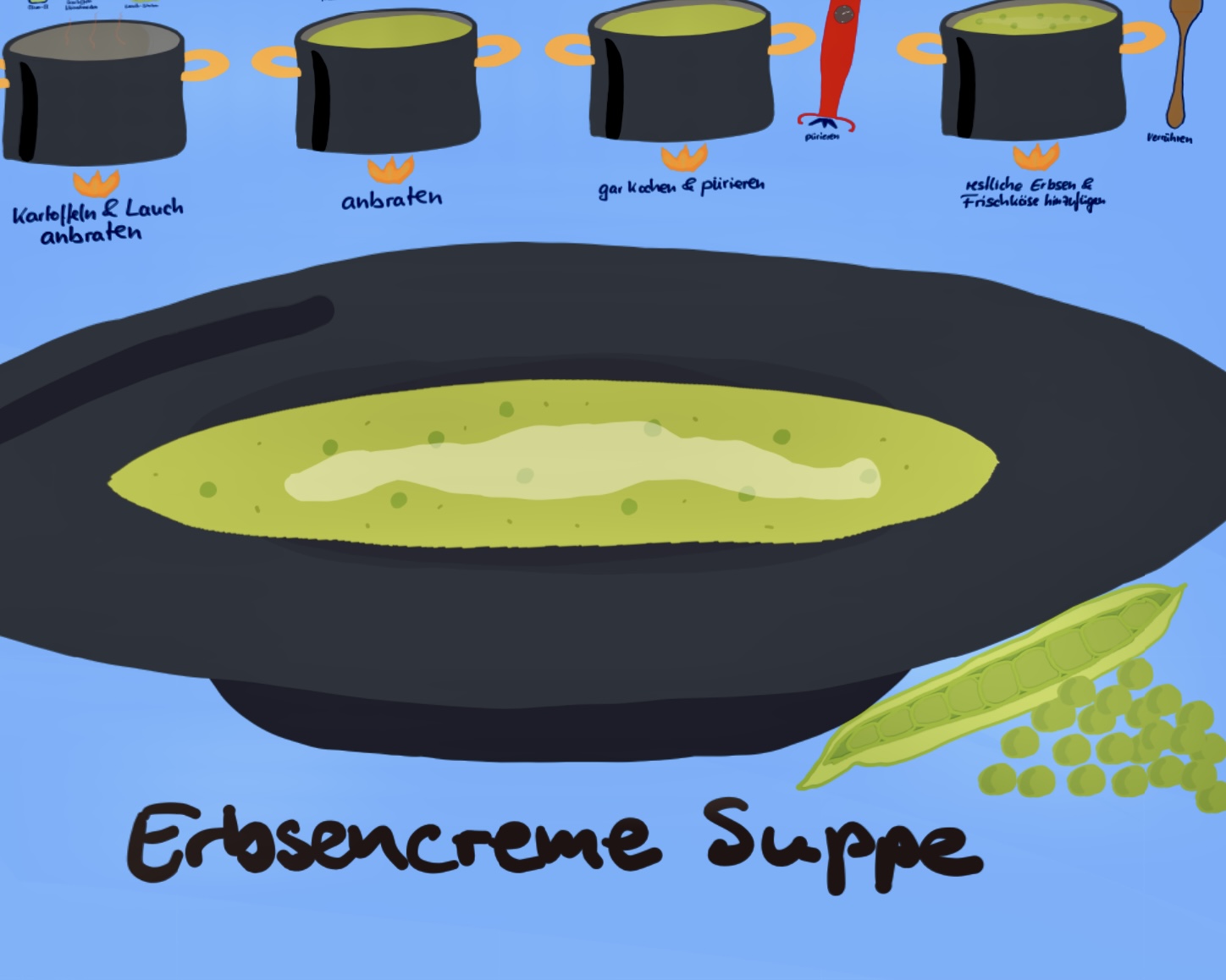
Pea Soup with herb cream cheese
Discover pea soup with herb cream cheese on yummy.world! Smooth, comforting soup with a fresh herby finish.
Pea Soup
Discover pea soup on yummy.world! Cozy, hearty classic—great with toppings and crusty bread.
Cauliflower Cream Soup
Discover cauliflower cream soup on yummy.world! Smooth, mild, and creamy—light comfort in a bowl.
Red lentil soup with coconut milk
Discover red lentil soup with coconut milk on yummy.world! Creamy, spiced, and gently exotic.

Cream of Asparagus Soup
Discover cream of asparagus soup on yummy.world! Silky seasonal soup—elegant, light, and flavorful.

Minestrone
Discover minestrone on yummy.world! Italian vegetable soup—hearty, colorful, and satisfying.

Chestnut Soup
Creamy chestnut soup with roasted chestnuts and aromatics—velvety texture, optional apple or celery, cream or dairy-free; elegant starter for holidays, reheats well.
Cream of Champignon Soup
Discover cream of champignon soup on yummy.world! Creamy mushroom soup—aromatic, comforting, and quick.
Red beet soup with horseradish
Discover red beet soup with horseradish on yummy.world! Creamy, bold soup with a spicy kick—great as starter.
Cassoulet
Discover cassoulet on yummy.world! French bean stew—rich, rustic, and deeply satisfying.
Celeriac soup
Discover celeriac soup on yummy.world! Creamy, aromatic soup—easy comfort bowl with rich flavor.
Soljanka
Discover soljanka on yummy.world! Spicy-sour comfort soup—bold flavor and easy to make.
Miso Soup
Miso soup recipe: dashi broth with tofu and wakame—miso types explained, keep heat gentle to preserve flavor; finish with scallions. Quick, comforting, weeknight easy.
Ramen Soup
Make ramen soup with deep broth, springy noodles and smart toppings. Includes shoyu & miso options, jammy eggs, and no-soggy noodle tips.