
Italian Tomato Soup Recipe: Creamy, classic & quick
Ingredients 🧂🥕
- San Marzano Tomatoes10 pcs
- Shallots8 pcs
- Garlic0.3 pcs
- Basil fresh5 g
- White Wine240 ml
- Olive Oil150 ml
- Heavy Whipping Cream120 ml
- Parmesan Cheese50 g
- Soy Sauce40 ml
- Whole Grain Toast100 g
- Thyme2 g
- Cane Sugar20 g
- Salt7 g
- Pepper black4 g
Instructions 👩🍳
Cook along on the interactive map
Step-by-step:
- Sauté aromatics: Sauté onion and garlic in olive oil until soft.
Show all steps...
- Add tomatoes: Add tomatoes (canned or fresh) and a splash of broth.
- Simmer: Simmer 15–20 minutes to deepen the flavor.
- Blend: Blend until smooth; add basil and optional cream.
- Serve: Season and serve hot with bread or parmesan.
Tomato Soup: bright, velvety, and far more than just a basic classic

Tomato soup is one of the most versatile comfort soups you can make: light or rich, rustic or silky, weeknight-simple or dinner-party polished. The difference between flat tomato soup and truly great tomato soup comes down to balance—enough sweetness, enough acidity, enough depth, and smart moisture control so it tastes full-bodied instead of watery. With the right base, gentle simmering, and a clean finish, tomato soup becomes vibrant, comforting, and endlessly adaptable for every season.
Why tomato soup works so well
- Built-in balance: Tomatoes naturally bring sweetness, acidity, and savory depth.
- Easy to scale: It works as a quick lunch, a starter, or a full meal with toppings and sides.
- Flexible texture: Keep it rustic and chunky or blend it silky-smooth.
- All-season favorite: Use fresh tomatoes in summer or canned tomatoes for reliable year-round flavor.
- Meal-prep friendly: Tomato soup stores, reheats, and freezes beautifully.
High-value tips: How to make tomato soup really good
- Build a strong base: Sweat onion or shallot over gentle heat until soft and sweet. Garlic should go in briefly so it stays aromatic, not bitter.
- Use tomato paste strategically: Cook tomato paste for 1–2 minutes to deepen umami and remove raw sharpness.
- Choose your tomatoes wisely: Good canned tomatoes often beat bland fresh ones outside peak season. If your tomatoes are weak, roast them or add a little extra tomato paste.
- Moisture control matters: Don’t overdo the stock. Tomato soup should be spoon-coating and full-flavored, not thin and watery. Reduce uncovered if needed.
- Balance acid and sweetness: If the soup tastes too sharp, soften it with slow-cooked onions, a little cream, or a small pinch of sugar. If it tastes too sweet or dull, add a splash of vinegar or lemon.
- Blend smartly: Blend only as long as needed for a smooth texture. For a more refined result, strain if you want a restaurant-silky finish.
- Finish with depth: Olive oil, black pepper, basil, a cream swirl, or Parmesan make the soup feel complete.
Variations & alternatives
- Classic creamy: Add cream or crème fraîche for a mellow, velvety tomato soup.
- Roasted tomato soup: Roast tomatoes and garlic first for deeper sweetness and concentrated flavor.
- Spicy: Chili flakes, harissa, or smoked paprika add warmth and edge.
- Mediterranean: Basil, oregano, olive oil, and Parmesan for an Italian-style finish.
- Vegan: Use olive oil or plant cream; roasted red peppers or white beans can add body.
- Extra hearty: Add rice, small pasta, lentils, or grilled vegetables to make it more filling.
Serving ideas / pairings
- Classic match: Grilled cheese toast is the ultimate tomato soup partner.
- Creamy contrast: A swirl of crème fraîche, cream, mascarpone, or vegan cream.
- Fresh finish: Basil, parsley, chives, or a little oregano depending on the style.
- Crunch: Croutons, toasted seeds, crispy chickpeas, or garlic bread.
- Bold topping: Parmesan shavings, chili oil, pesto, or roasted cherry tomatoes.
Storage, meal prep & reheating
Tomato soup keeps well in the fridge for about 3–4 days and often tastes even better the next day as the flavors settle. Reheat gently over medium heat and stir regularly. If it has thickened too much, loosen it with a splash of stock or water. It freezes very well, especially without dairy. After thawing, blend briefly if needed and refresh with a little acid, olive oil, or fresh herbs before serving.
FAQ
Why does my tomato soup taste bland?
It usually needs a stronger base, more tomato concentration, or better finishing. Cook the onions longer, use tomato paste, and finish with acid, pepper, and olive oil.
How do I fix tomato soup that tastes too acidic?
Balance it with slowly cooked onions, a little cream, or a tiny pinch of sugar. Avoid overcorrecting—depth is better than sweetness.
How do I stop tomato soup from being watery?
Use less stock at the start and reduce uncovered if needed. Roasting tomatoes also helps build a fuller texture.
Can I make tomato soup vegan and still creamy?
Yes. Olive oil, plant cream, or blended white beans can create a silky texture without dairy.
What tomatoes work best?
In season, ripe fresh tomatoes are excellent. The rest of the year, good canned tomatoes often give the most reliable flavor.
Best Soups Recipes to Try at Home

Chicken Soup
Make flavorful chicken soup with tender chicken, vegetables and clear broth—tips for rich taste, less grease, plus storage and meal-prep ideas.
White Bean Soup
Discover white bean soup on yummy.world! Hearty, rustic soup—perfect with crusty bread.
Gazpacho
Discover gazpacho on yummy.world! Chilled Spanish tomato soup—refreshing, light, and perfect for hot days.
Goulash Soup
Discover goulash soup on yummy.world! Hearty, warming soup with paprika depth—perfect for cold days.
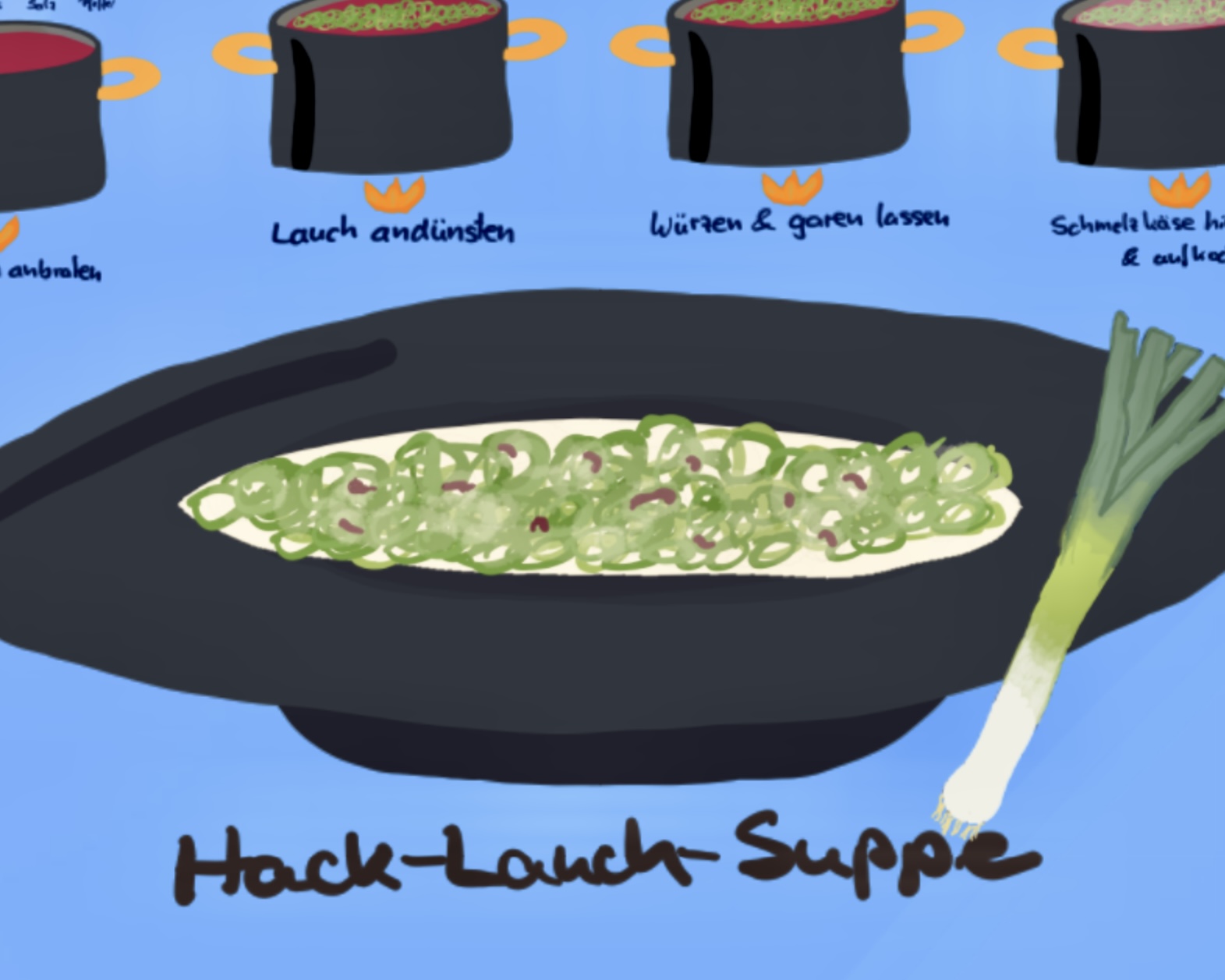
Cheese leek soup with mince
Discover cheese leek soup with mince on yummy.world! Creamy comfort soup—savory, filling, and family-friendly.

Hokkaido Pumpkin Soup
Discover Hokkaido pumpkin soup on yummy.world! Creamy, cozy, and seasonal—easy autumn comfort.

Green Bean Soup
Discover green bean soup on yummy.world! Simple, hearty soup—great for a comforting family meal.

Potato soup
Discover potato soup on yummy.world! Creamy comfort bowl—easy to cook and perfect with toppings.
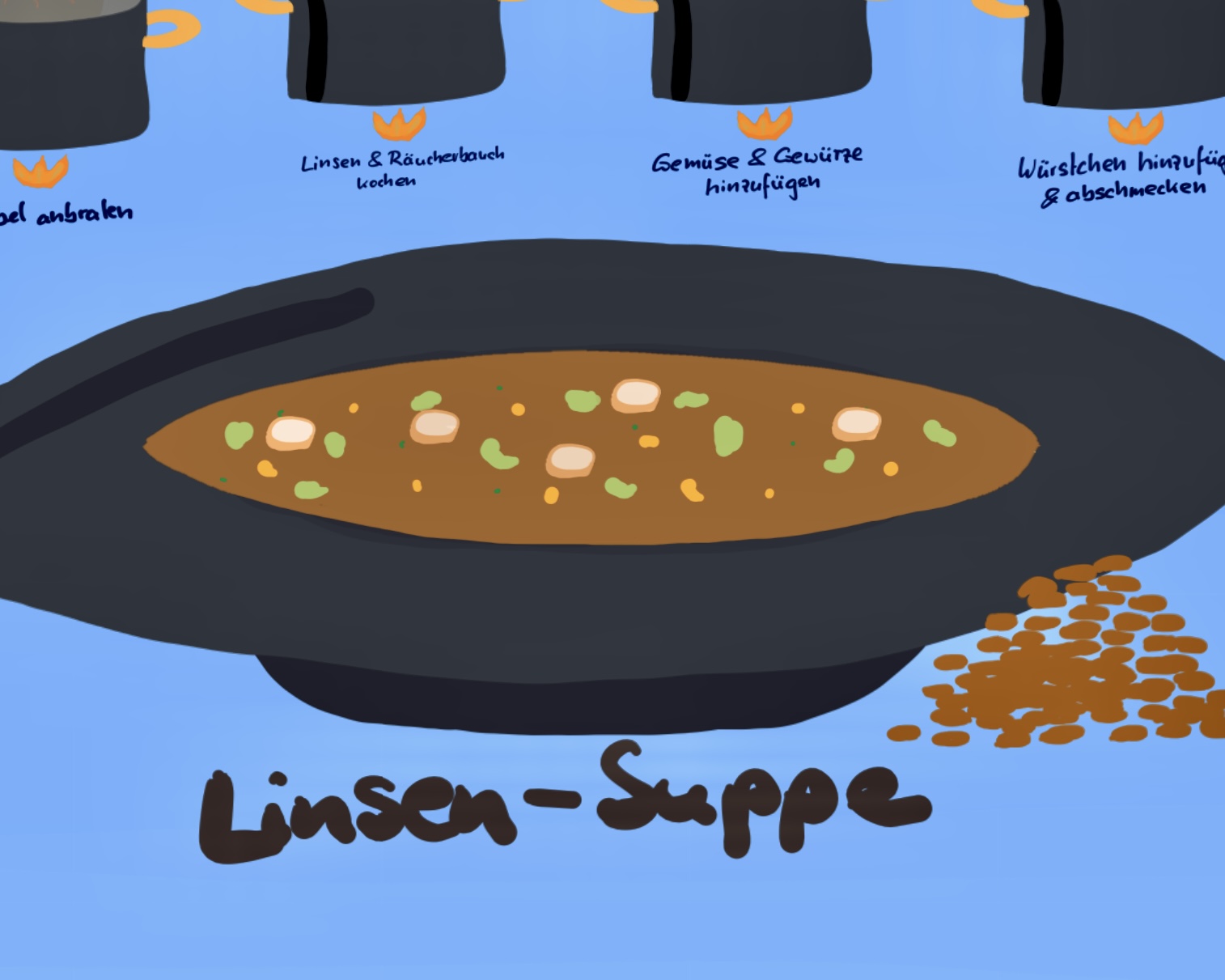
Lentil soup
Discover lentil soup on yummy.world! Protein-rich, hearty, and flavorful—great for meal prep.
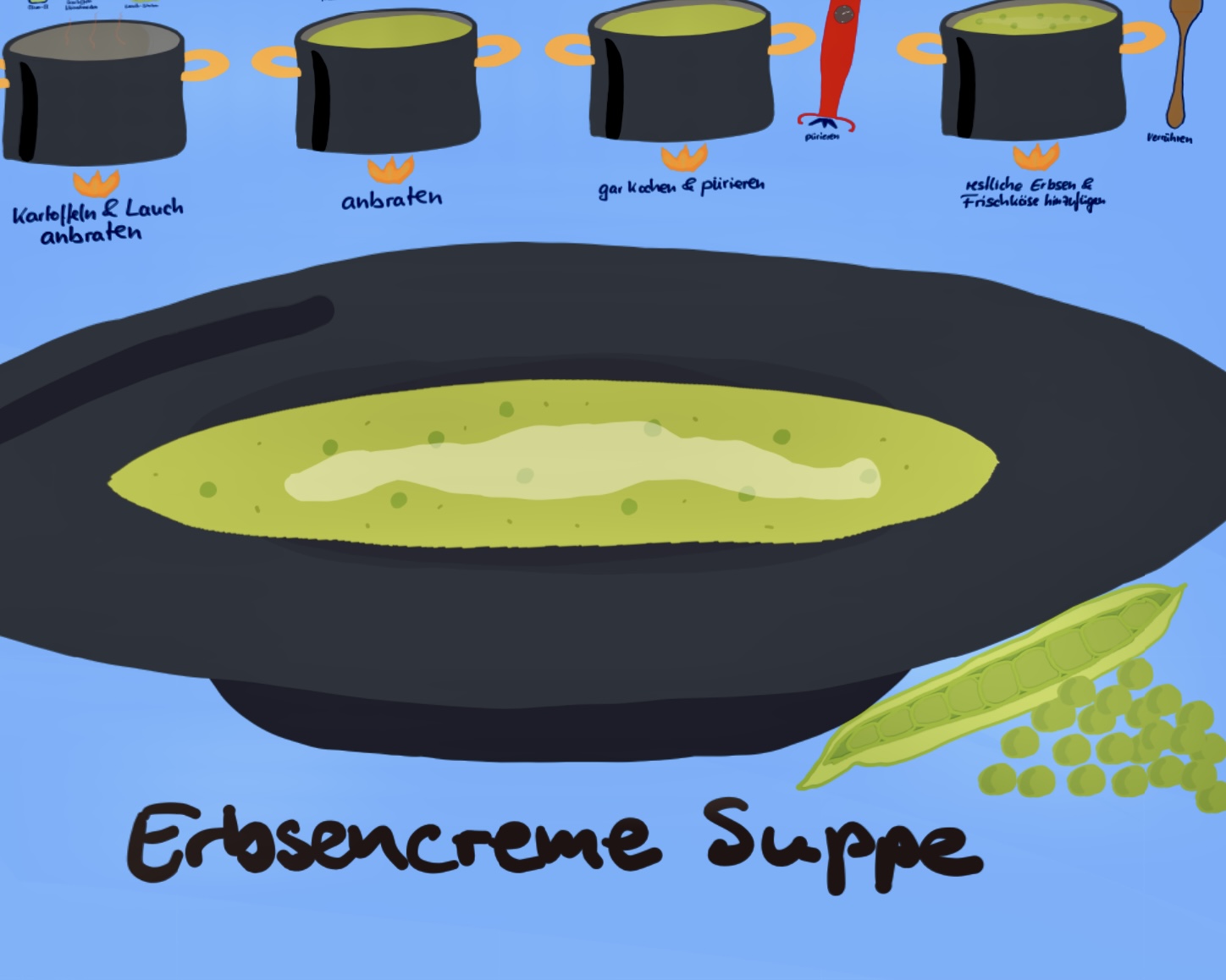
Pea Soup with herb cream cheese
Discover pea soup with herb cream cheese on yummy.world! Smooth, comforting soup with a fresh herby finish.
Pea Soup
Discover pea soup on yummy.world! Cozy, hearty classic—great with toppings and crusty bread.
Cauliflower Cream Soup
Discover cauliflower cream soup on yummy.world! Smooth, mild, and creamy—light comfort in a bowl.
Red lentil soup with coconut milk
Discover red lentil soup with coconut milk on yummy.world! Creamy, spiced, and gently exotic.
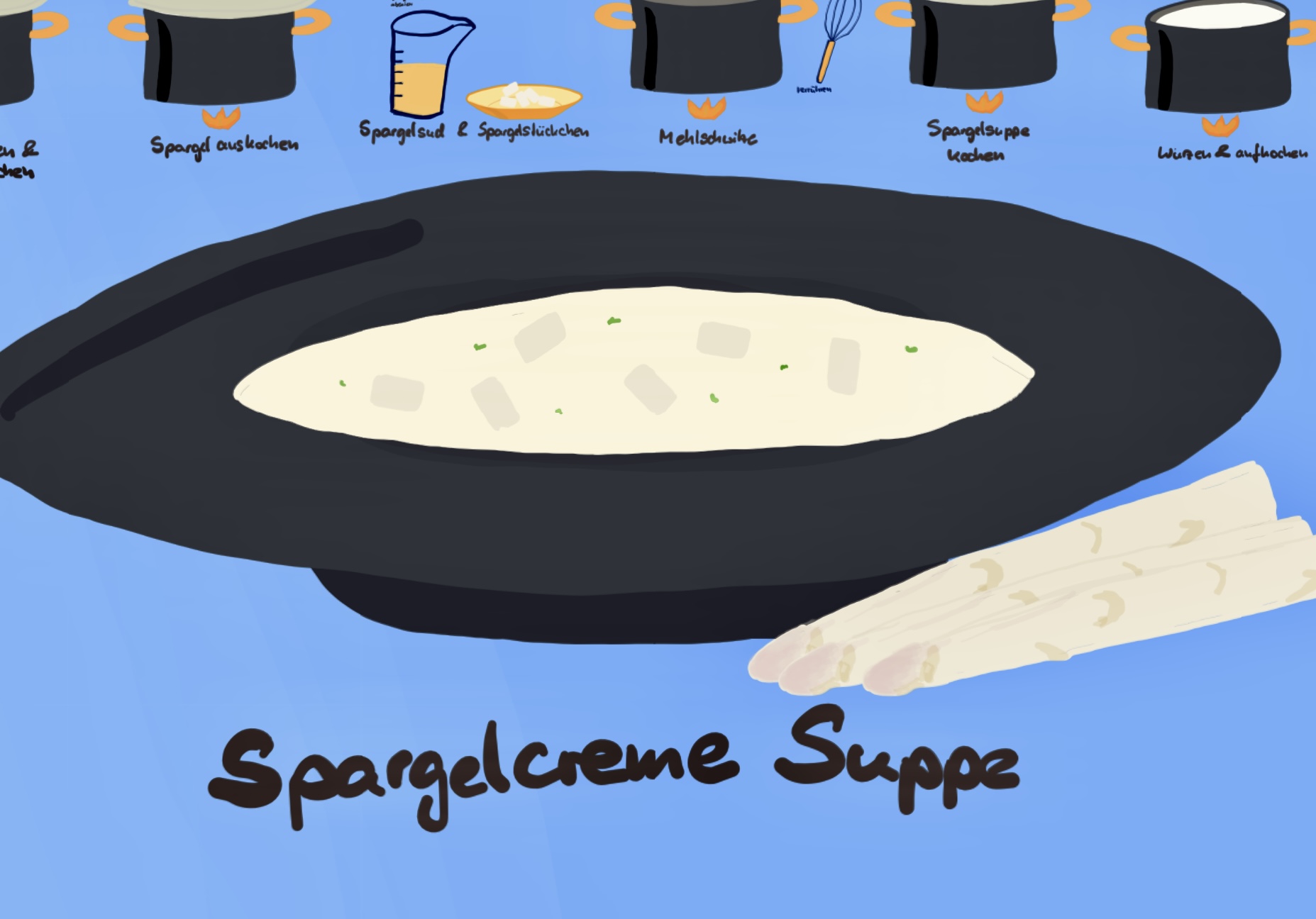
Cream of Asparagus Soup
Discover cream of asparagus soup on yummy.world! Silky seasonal soup—elegant, light, and flavorful.
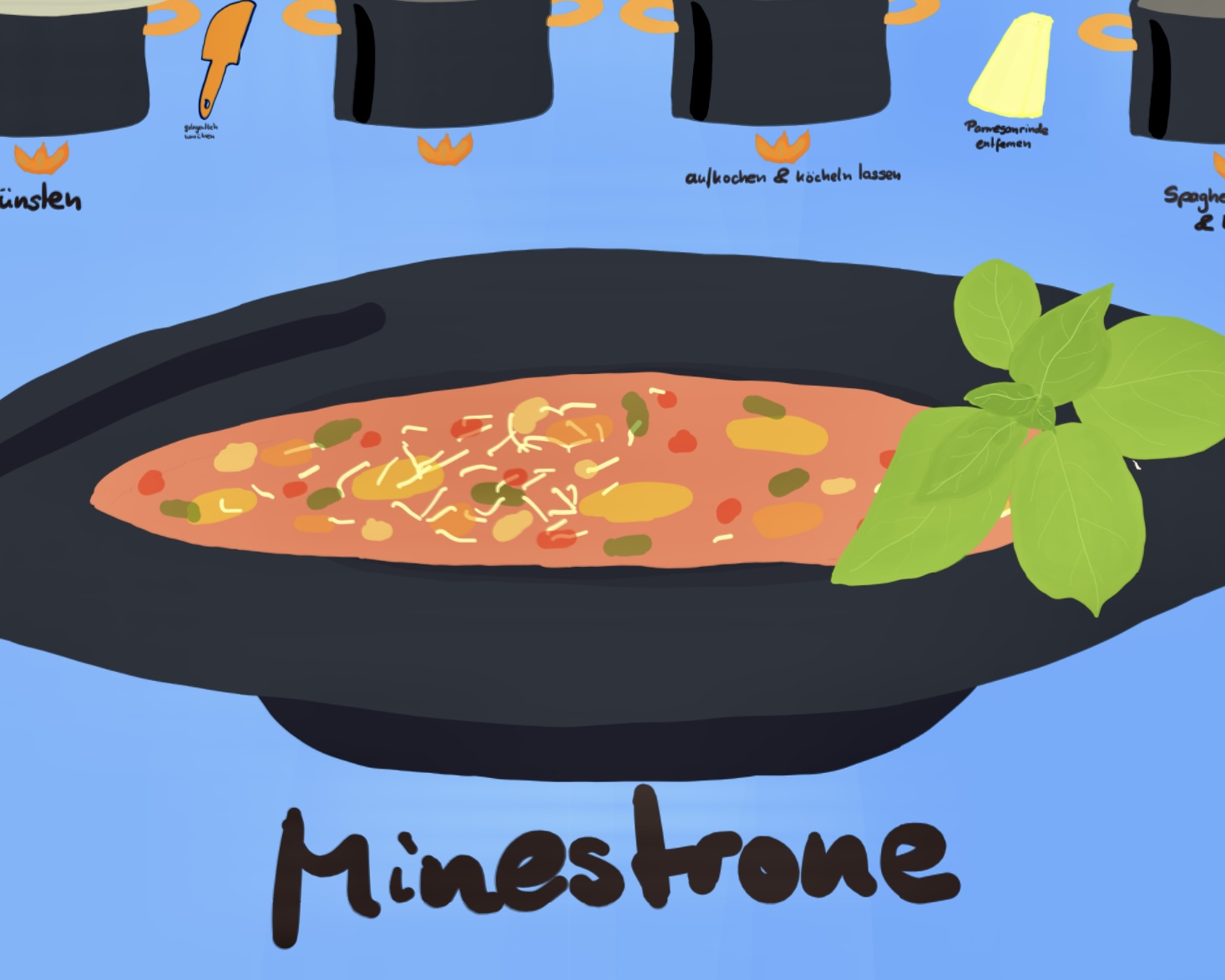
Minestrone
Discover minestrone on yummy.world! Italian vegetable soup—hearty, colorful, and satisfying.

Chestnut Soup
Creamy chestnut soup with roasted chestnuts and aromatics—velvety texture, optional apple or celery, cream or dairy-free; elegant starter for holidays, reheats well.
Cream of Champignon Soup
Discover cream of champignon soup on yummy.world! Creamy mushroom soup—aromatic, comforting, and quick.
Bouillabaisse
Discover bouillabaisse on yummy.world! Classic French fish soup—aromatic, impressive, and full of flavor.
Red beet soup with horseradish
Discover red beet soup with horseradish on yummy.world! Creamy, bold soup with a spicy kick—great as starter.
Cassoulet
Discover cassoulet on yummy.world! French bean stew—rich, rustic, and deeply satisfying.
Celeriac soup
Discover celeriac soup on yummy.world! Creamy, aromatic soup—easy comfort bowl with rich flavor.
Soljanka
Discover soljanka on yummy.world! Spicy-sour comfort soup—bold flavor and easy to make.
Miso Soup
Miso soup recipe: dashi broth with tofu and wakame—miso types explained, keep heat gentle to preserve flavor; finish with scallions. Quick, comforting, weeknight easy.
Ramen Soup
Make ramen soup with deep broth, springy noodles and smart toppings. Includes shoyu & miso options, jammy eggs, and no-soggy noodle tips.