
Dijon Vinaigrette: Classic mustard dressing recipe
Instructions 👩🍳
Cook along on the interactive map
Step-by-step:
- Combine: Whisk Dijon mustard with vinegar and a pinch of salt.
Show all steps...
- Sweeten (optional): Add honey for a softer taste.
- Add pepper: Freshly grind black pepper to taste.
- Emulsify: Slowly whisk in olive oil until smooth.
- Serve: Use for salads or as a quick marinade.
Dijon Vinaigrette: sharp, silky, and the classic mustard dressing that makes simple salads shine
Dijon vinaigrette is one of those dressings that instantly makes a salad taste more polished, more balanced, and much more satisfying. With Dijon mustard, vinegar or lemon juice, olive oil, salt, and black pepper, it delivers exactly the kind of sharp, clean flavor that crisp greens, tomato salads, grain bowls, and roasted vegetables need. What makes a really good Dijon vinaigrette special is not complexity, but control: it should feel bright without being harsh, silky without feeling greasy, and bold enough to wake up a salad without dominating it. Done right, Dijon vinaigrette tastes classic, elegant, and endlessly useful.
Why Dijon vinaigrette works so well
- Classic French-style balance: Dijon mustard brings gentle heat, vinegar adds freshness, and olive oil rounds everything out.
- Excellent emulsifying power: Dijon helps the dressing come together smoothly, so it clings to greens instead of separating too quickly.
- Perfect for crisp salads: This dressing works especially well with romaine, little gem, mixed greens, cucumbers, and tomatoes.
- Fresh but full of character: It feels lighter than creamy dressings, but still has enough depth to make simple vegetables taste complete.
- Very versatile: Dijon vinaigrette works as a dressing, a drizzle for grain bowls, or a quick marinade for vegetables and proteins.
High-Value Tips: How to make Dijon vinaigrette really good
- Start with mustard and acid first: Whisk the Dijon with vinegar or lemon juice and a pinch of salt before adding the oil. That gives the dressing a stronger, more stable base.
- Stream in the olive oil slowly: This helps build a smooth emulsion and creates that glossy, clingy texture instead of a loose oily mix.
- Balance the sharpness carefully: Dijon and vinegar both bring bite, so the oil is not just filler. It is what makes the vinaigrette taste rounded instead of aggressive.
- Use sweetness only as a correction: A little honey or maple syrup can soften the edges, but it should round the dressing, not make it sweet.
- Season more precisely than you think: Salt and black pepper are essential here. Without enough seasoning, the vinaigrette can taste thin or overly acidic.
- Moisture control matters: If the dressing feels too strong or too thick, a tiny splash of water can lighten the coat without flattening the flavor.
- Add garlic or shallot with restraint: Both can bring excellent depth, but too much can pull the vinaigrette away from its clean mustard profile.
- Let it rest briefly: Even 10 to 15 minutes helps the mustard, acid, pepper, and oil settle into a more rounded finish.
- Whisk again before serving: A quick re-emulsifying whisk brings the texture right back if the vinaigrette has separated slightly.
Variations & alternatives
- Classic Dijon vinaigrette: Dijon, vinegar, olive oil, salt, and pepper for the cleanest traditional version.
- With lemon instead of vinegar: Brighter and slightly fresher, especially good with delicate greens or asparagus.
- With honey: A softer finish that works especially well with bitter greens or stronger vegetables.
- With shallot: Adds savory depth and a more refined French bistro feel.
- Herb version: Parsley, chives, or tarragon add freshness without losing the classic mustard core.
- Lighter coat version: A small splash of water gives a thinner, cleaner finish for delicate salads.
Serving ideas / pairings
- Green salads: Toss with romaine, little gem, mixed leaves, or chicory for a clean, classic salad.
- Tomato and cucumber salads: Dijon vinaigrette gives simple vegetables much more structure and brightness.
- Asparagus and spring vegetables: The mustard-acid balance works beautifully with tender seasonal produce.
- Grain and chickpea bowls: It adds exactly the right sharpness to bowls that need more freshness.
- Quick marinade: Use it for roasted vegetables, chicken, or simple fish dishes when you want a fast elegant flavor boost.
Storage, Meal-Prep & Reheating
Dijon vinaigrette is excellent for meal prep because it keeps well and is easy to refresh. Store it in a sealed jar or container in the fridge and shake or whisk before serving so the texture comes back together smoothly. If it firms up slightly when chilled, let it sit at room temperature for a few minutes and mix again. This is not something to heat up. Its strength is in its cool, bright, freshly emulsified texture.
FAQ
Why is my Dijon vinaigrette too sharp?
It usually needs a little more oil or a tiny touch of honey to soften the mustard and vinegar.
Why does my vinaigrette separate?
That is normal over time. Dijon helps emulsify it, but a quick shake or whisk usually brings it back.
Can I make Dijon vinaigrette ahead?
Yes, absolutely. It is one of the best make-ahead dressings because it stores well and tastes great after a short rest.
What salads work best with Dijon vinaigrette?
Crisp green salads, cucumber and tomato salads, grain bowls, and asparagus salads all work especially well.
Can I use it as a marinade?
Yes. Dijon vinaigrette also works very well as a quick marinade for vegetables, chicken, or fish.
Best Salad Dressings Recipes to Try at Home
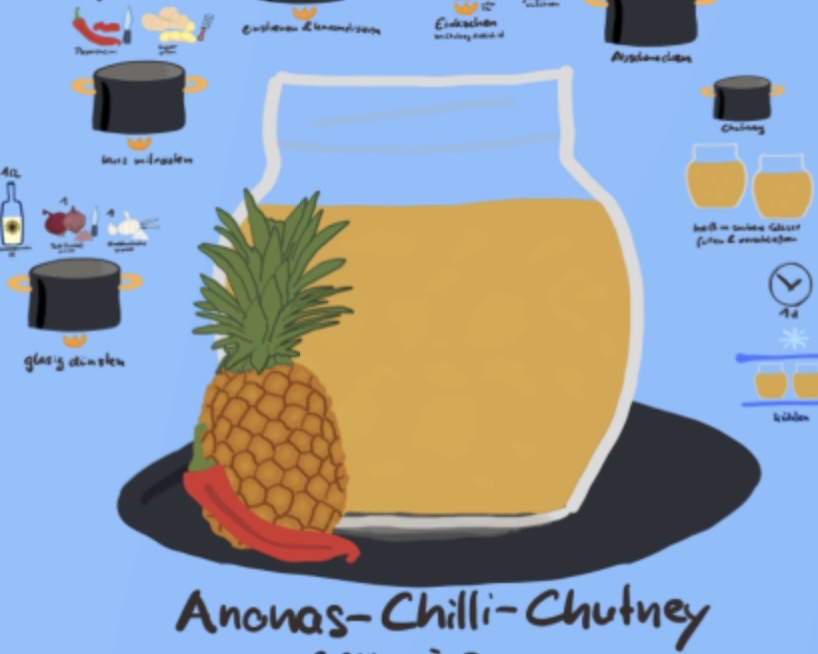
Pineapple Chili Chutney
Discover pineapple chili chutney on yummy.world! Sweet-spicy chutney—perfect with BBQ, cheese, and curries.
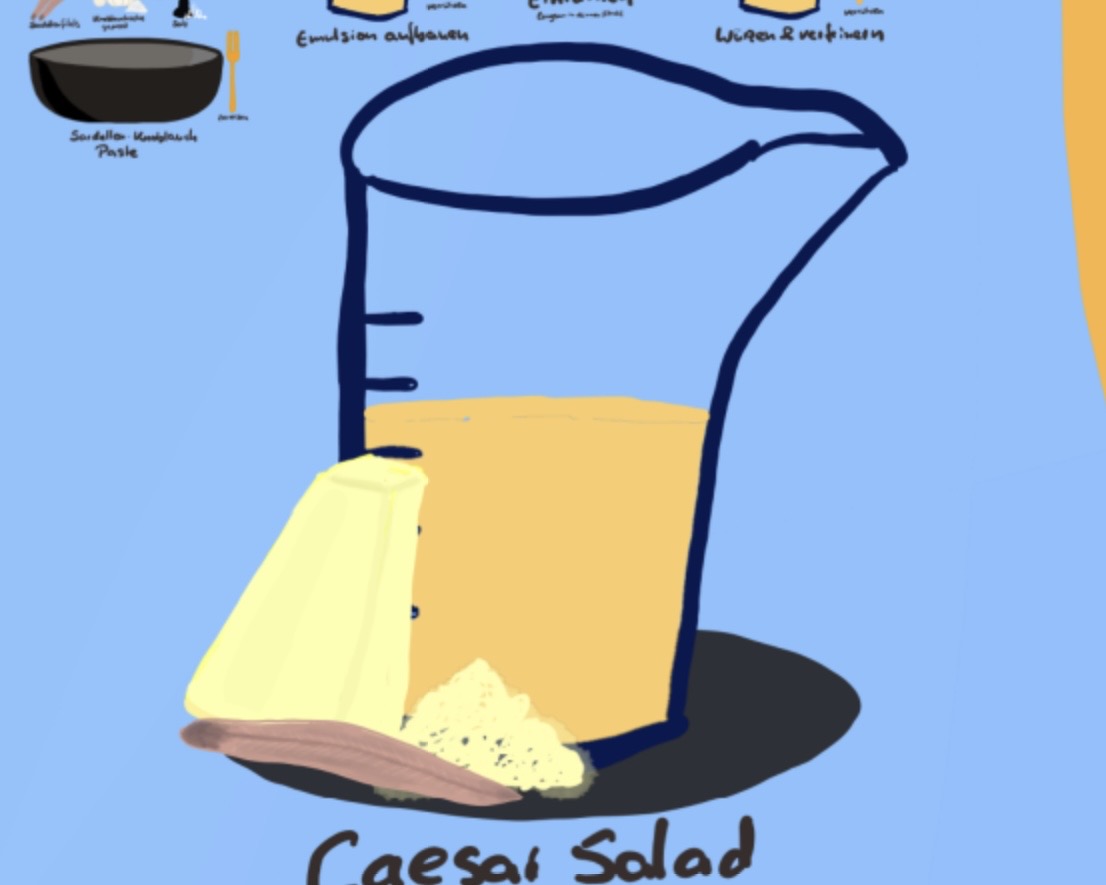
Caesar Salad Dressing
Discover Caesar salad dressing on yummy.world! Classic creamy dressing—bold, savory, and restaurant-style.
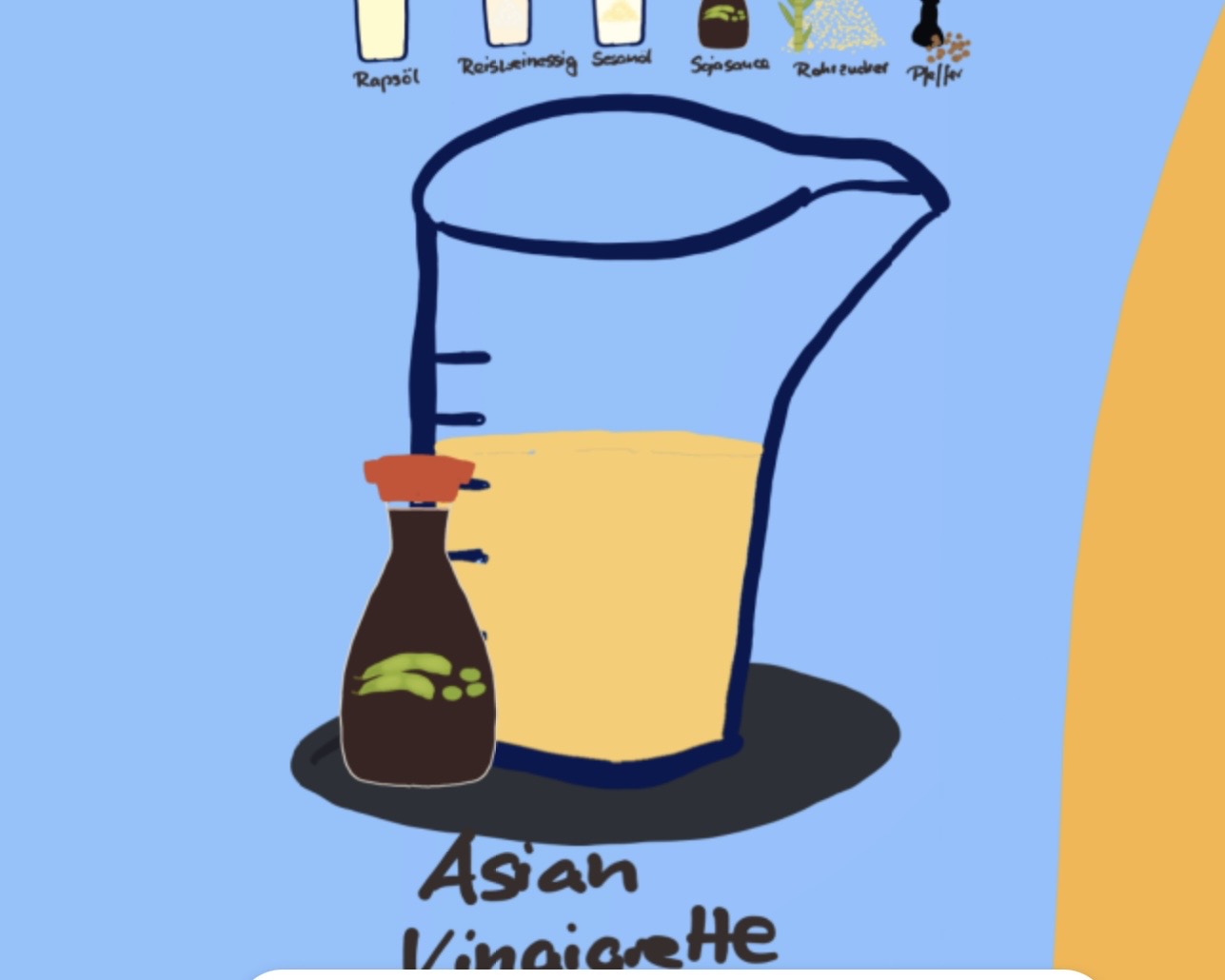
Asian Vinaigrette
Discover Asian vinaigrette on yummy.world! Sesame-ginger dressing—fresh, punchy, and perfect for bowls.
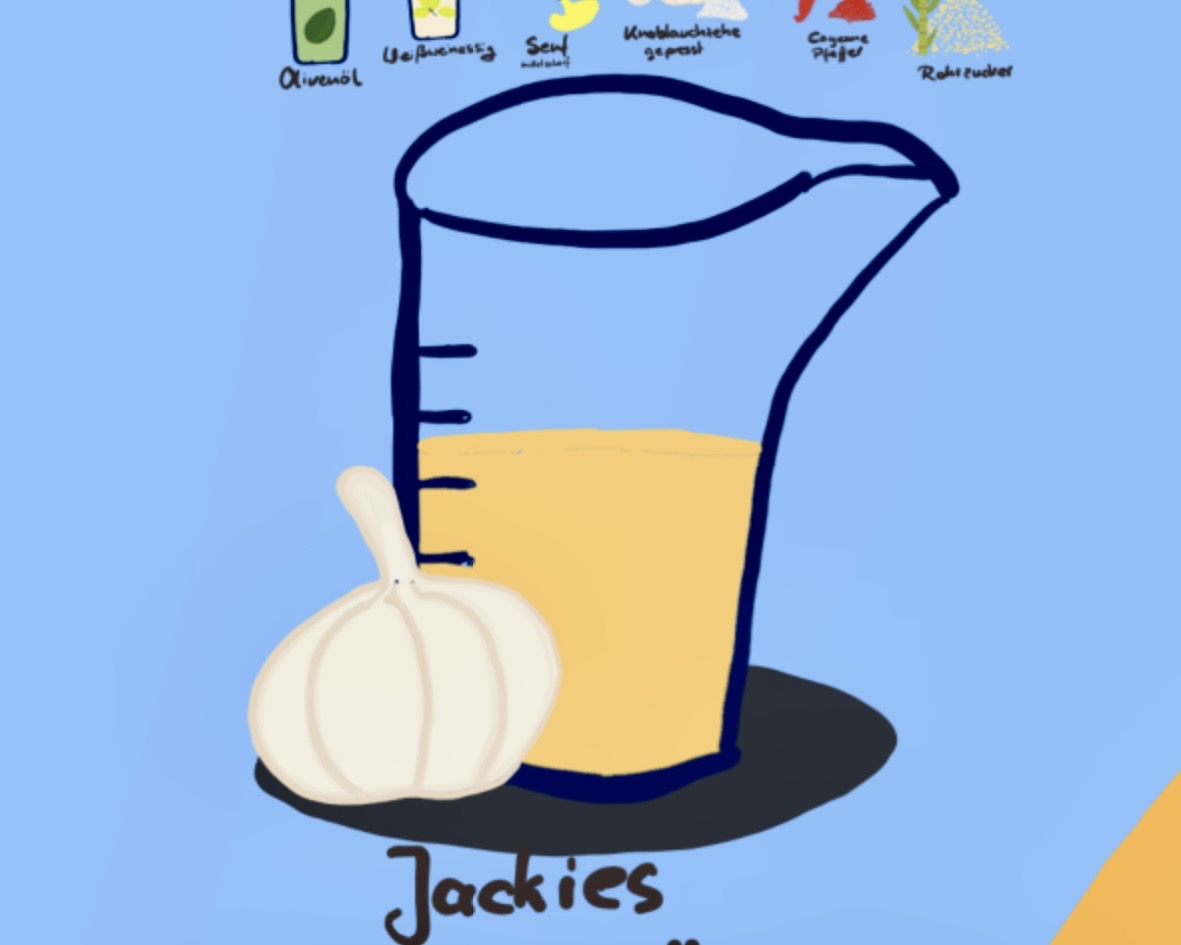
Jackies Vinaigrette
Discover Jackies vinaigrette on yummy.world! Fresh dressing with a kick—great for green salads.
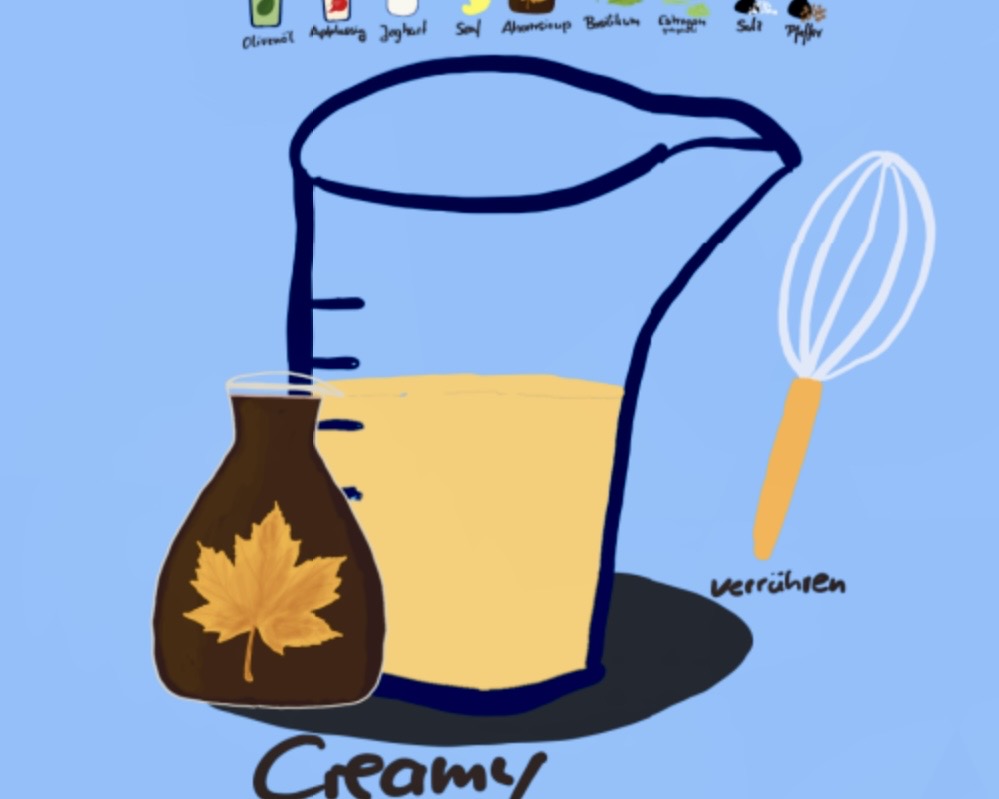
Creamy Vinaigrette
Discover creamy vinaigrette on yummy.world! Smooth, creamy dressing—mild, versatile, and quick to mix.
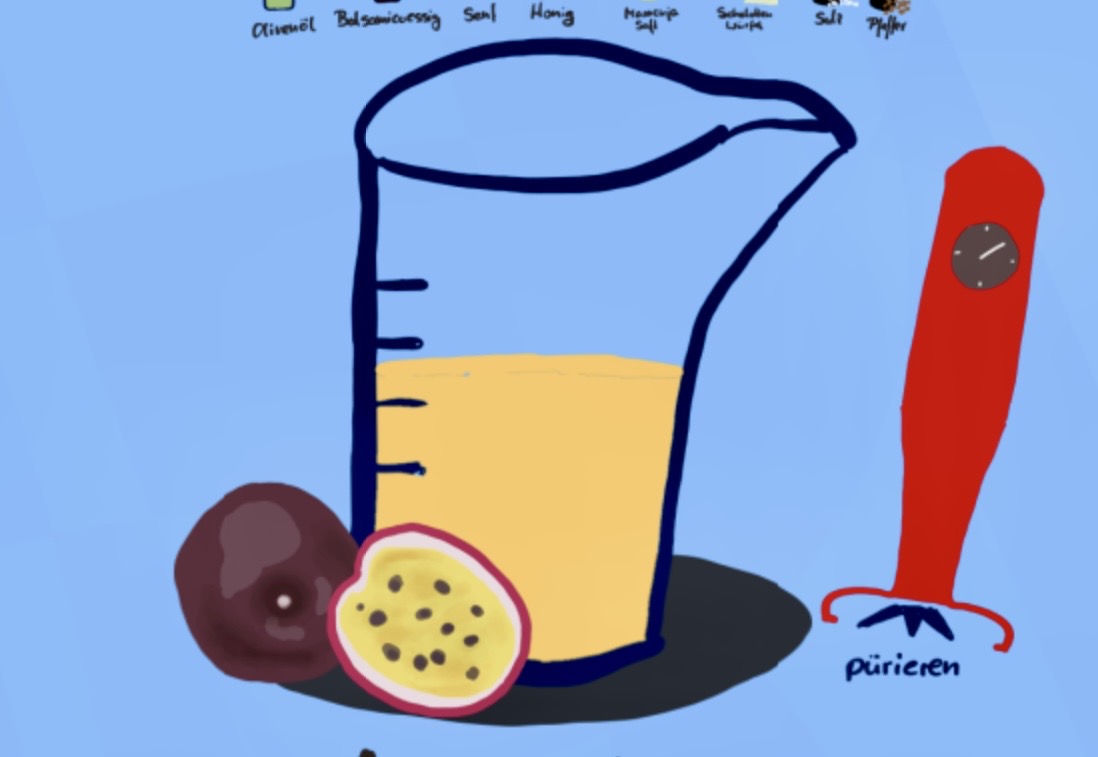
Passion Fruit Vinaigrette
Discover passion fruit vinaigrette on yummy.world! Fruity, tangy dressing—brightens salads instantly.
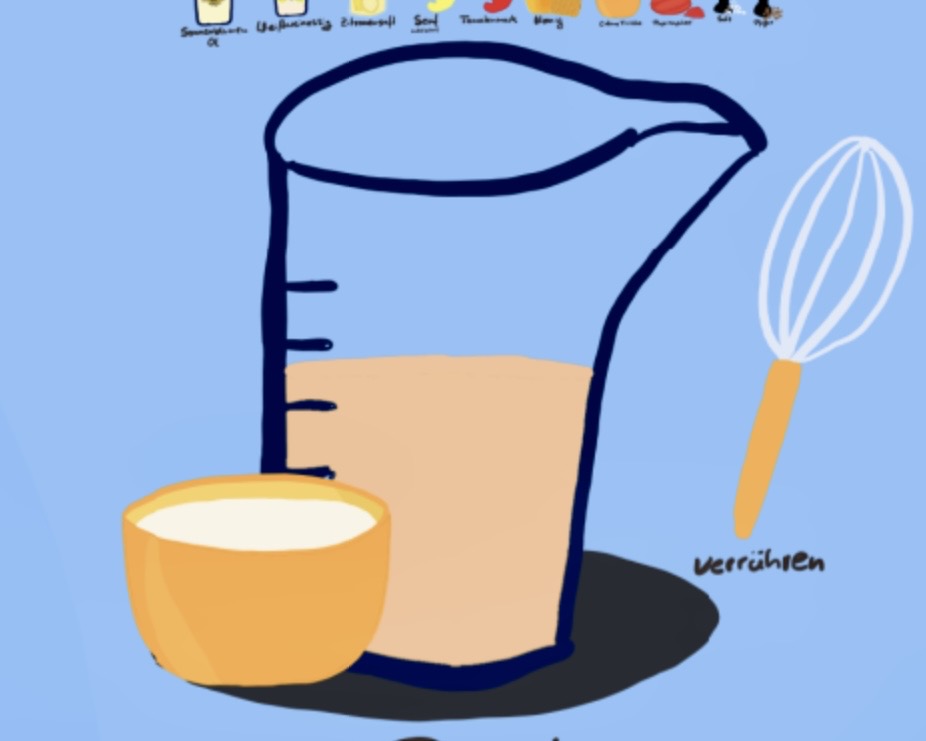
French Dressing
Discover French dressing on yummy.world! Creamy classic—quick to mix and perfect for crisp salads.
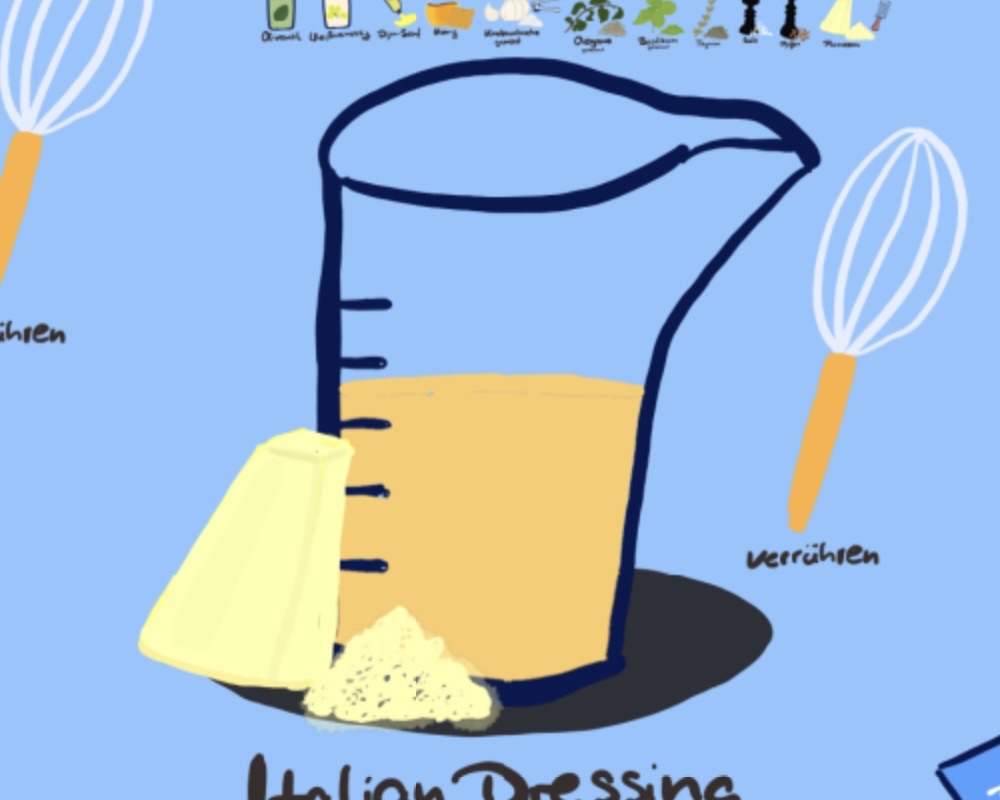
Italian Dressing
Discover Italian dressing on yummy.world! Zesty herb dressing—perfect for salads, bowls, and marinades.
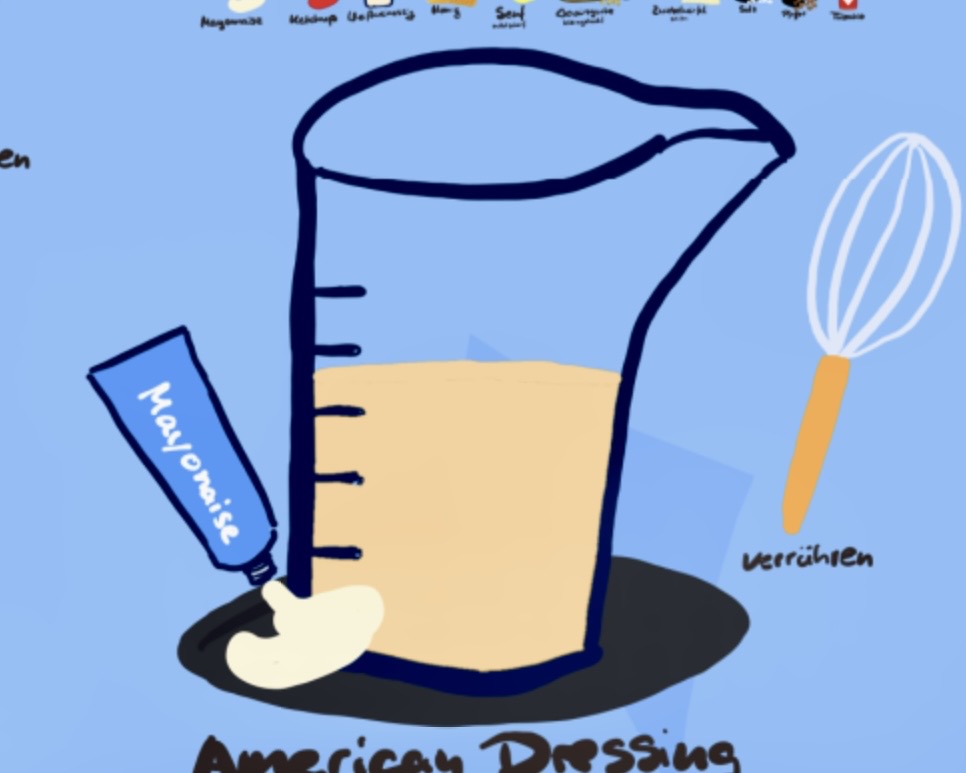
American Dressing
Discover American dressing on yummy.world! Mild, creamy, and family-friendly—great for salads and sandwiches.
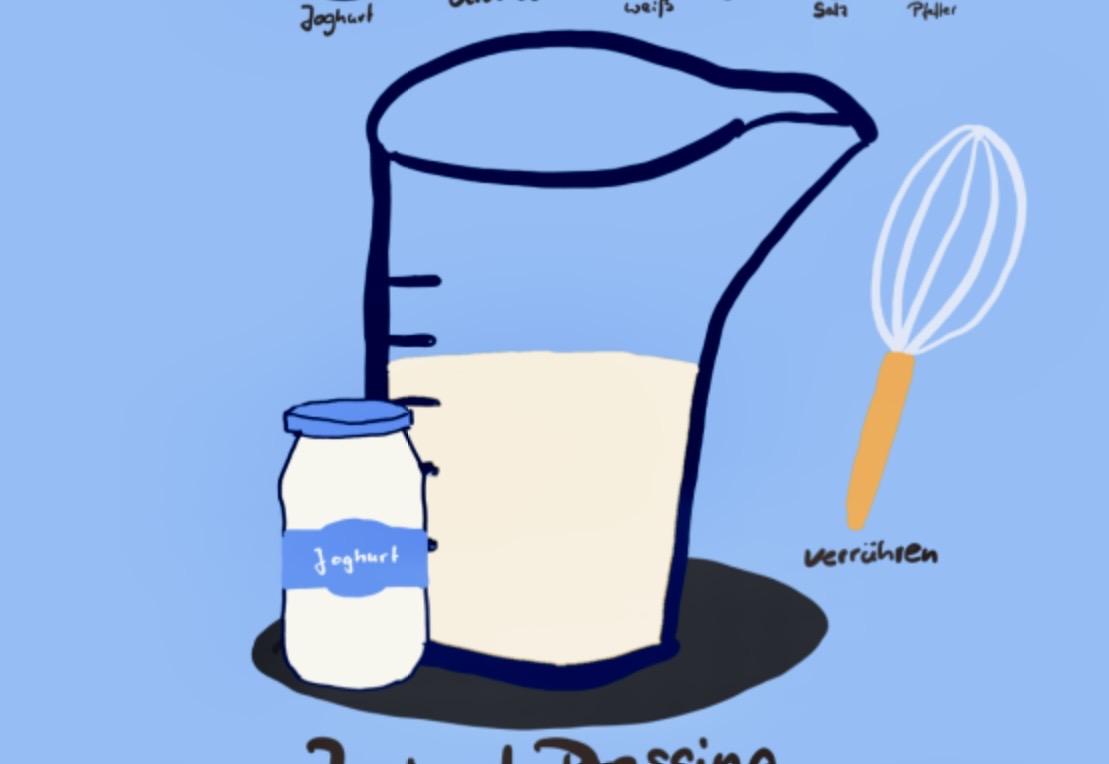
Yogurt Dressing
Discover yogurt dressing on yummy.world! Light, fresh dressing—perfect for salads, bowls, and dipping.