
Italian Dressing: Herb-forward, zesty classic
Instructions 👩🍳
Cook along on the interactive map
Step-by-step:
- Combine: Whisk vinegar (red or white wine) with salt, pepper, and oregano.
Show all steps...
- Add garlic: Add minced garlic and a pinch of chili flakes (optional).
- Sweeten (optional): Add a tiny pinch of sugar.
- Emulsify: Whisk in olive oil until glossy.
- Serve: Ideal for pasta salads, tomatoes, and antipasti.
Italian Dressing: bright, herby, and the classic all-purpose dressing for salads, bowls, and marinades
Italian dressing is one of the most useful recipes you can keep on hand because it does far more than dress a simple salad. With olive oil, vinegar, garlic, herbs, and balanced seasoning, it brings exactly the kind of fresh, savory flavor that crisp greens, tomato salads, pasta salads, roasted vegetables, and grilled dishes need. A really good Italian dressing should taste lively and clean, not harsh or oily, with enough herb flavor to feel distinctive and enough acidity to wake everything up. Done right, Italian dressing is light, versatile, and far more flavorful than a flat store-bought version.
Why Italian dressing works so well
- Fresh all-purpose flavor: Herbs, garlic, oil, and vinegar create a classic profile that works with many vegetables and proteins.
- Lighter than creamy dressings: Italian dressing adds bold flavor without making salads feel heavy.
- Perfect for more than salads: It also works well as a marinade, drizzle, or finishing dressing for grain bowls and roasted vegetables.
- Fast to make: A few basic pantry ingredients come together in minutes.
- Easy to customize: You can make it sharper, more garlicky, more herb-forward, or slightly sweeter depending on the meal.
High-Value Tips: How to make Italian dressing really good
- Balance oil and vinegar carefully: The dressing should taste bright and fresh, not aggressively acidic. Oil softens the edges and gives the vinaigrette a smoother finish.
- Use dried and fresh aromatics smartly: Dried oregano and Italian herbs give the classic backbone, while fresh garlic brings punch and depth.
- Whisk or shake until glossy: A quick emulsion helps the dressing coat leaves and vegetables evenly instead of separating too fast.
- Moisture control matters: If the dressing is too thin, it runs to the bottom of the bowl. If it is too oily, it feels heavy. A small amount of mustard can help everything hold together better.
- Season assertively: Salt, black pepper, garlic, and herbs need to be clear enough that the dressing still tastes alive once it hits cold vegetables.
- Use sweetness only to round the edges: A little honey or sugar can soften strong vinegar, but Italian dressing should not taste sweet.
- Let it rest briefly: Even 10 to 15 minutes helps the herbs, garlic, and acidity settle into a more rounded flavor.
- Taste again before serving: Italian dressing often needs a final small adjustment of vinegar, salt, pepper, or herbs after resting.
- Do not overdress the salad: Italian dressing should lightly coat ingredients, not drown them. That keeps the whole dish fresher and more structured.
Variations & alternatives
- Classic Italian dressing: Olive oil, vinegar, garlic, oregano, salt, pepper, and a little mustard for the cleanest traditional version.
- Herb-forward version: Add more oregano, basil, parsley, or Italian seasoning for a greener, more aromatic finish.
- Tangier variation: Increase the vinegar slightly for sharper salads with tomatoes, cucumbers, or onions.
- Slightly sweeter version: A very small amount of honey helps if the vinegar tastes too sharp.
- Garlicky version: Add a little more garlic for stronger salads, grilled vegetables, or marinades.
- Spicier option: Chili flakes bring a little heat without changing the core Italian profile.
Serving ideas / pairings
- Green salads: Italian dressing is especially good with romaine, mixed leaves, cucumber, onion, and tomatoes.
- Pasta salad: It gives cold pasta salads freshness and much more structure than heavy creamy dressings.
- Tomato-based salads: It pairs beautifully with tomato, mozzarella, peppers, and olives.
- Marinade: Use it for chicken, vegetables, or simple grilled dishes when you want quick savory flavor.
- Bowls and platters: It works well over grain bowls, bean salads, roasted vegetables, or antipasti-style plates.
Storage, Meal-Prep & Reheating
Italian dressing is excellent for meal prep because it keeps well and becomes more rounded after a short rest. Store it in a sealed jar or container in the fridge and shake or whisk before serving so the oil and vinegar come back together. If it firms up slightly when chilled, let it sit at room temperature for a few minutes before using. This is not a dressing to heat up. Its strength is in its fresh, glossy, lightly emulsified texture.
FAQ
Why does my Italian dressing taste too sharp?
It usually needs a little more oil or a tiny touch of honey to soften the vinegar.
Why does my dressing separate?
That is normal for vinaigrettes. A quick shake or whisk brings it back together easily.
Can I make Italian dressing ahead?
Yes, absolutely. It keeps very well and is ideal for salads, pasta salads, and marinades.
What herbs work best in Italian dressing?
Oregano is the classic base, and basil, parsley, or Italian herb blends also work very well.
What goes best with Italian dressing?
Green salads, pasta salad, tomato salads, grilled vegetables, chicken, and grain bowls all pair especially well.
Best Salad Dressings Recipes to Try at Home
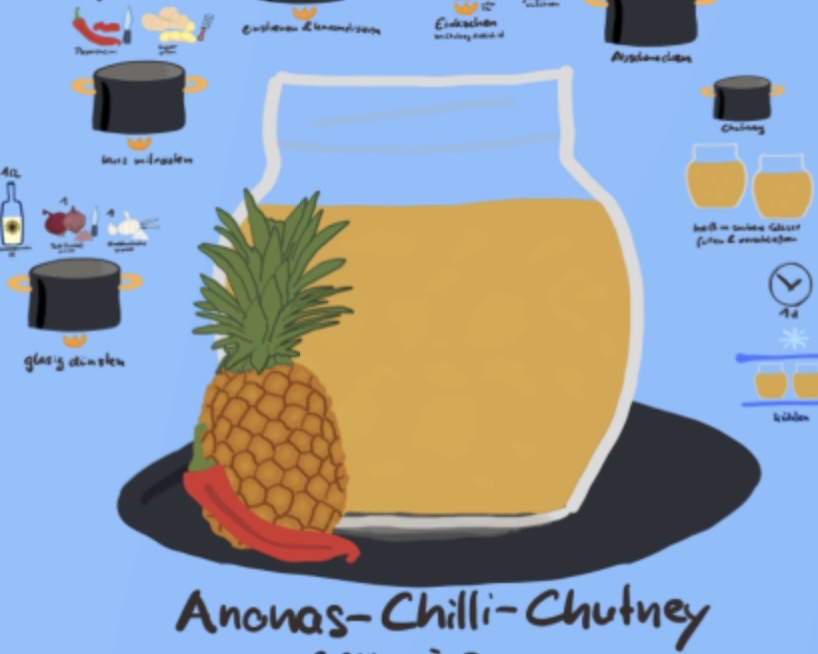
Pineapple Chili Chutney
Discover pineapple chili chutney on yummy.world! Sweet-spicy chutney—perfect with BBQ, cheese, and curries.
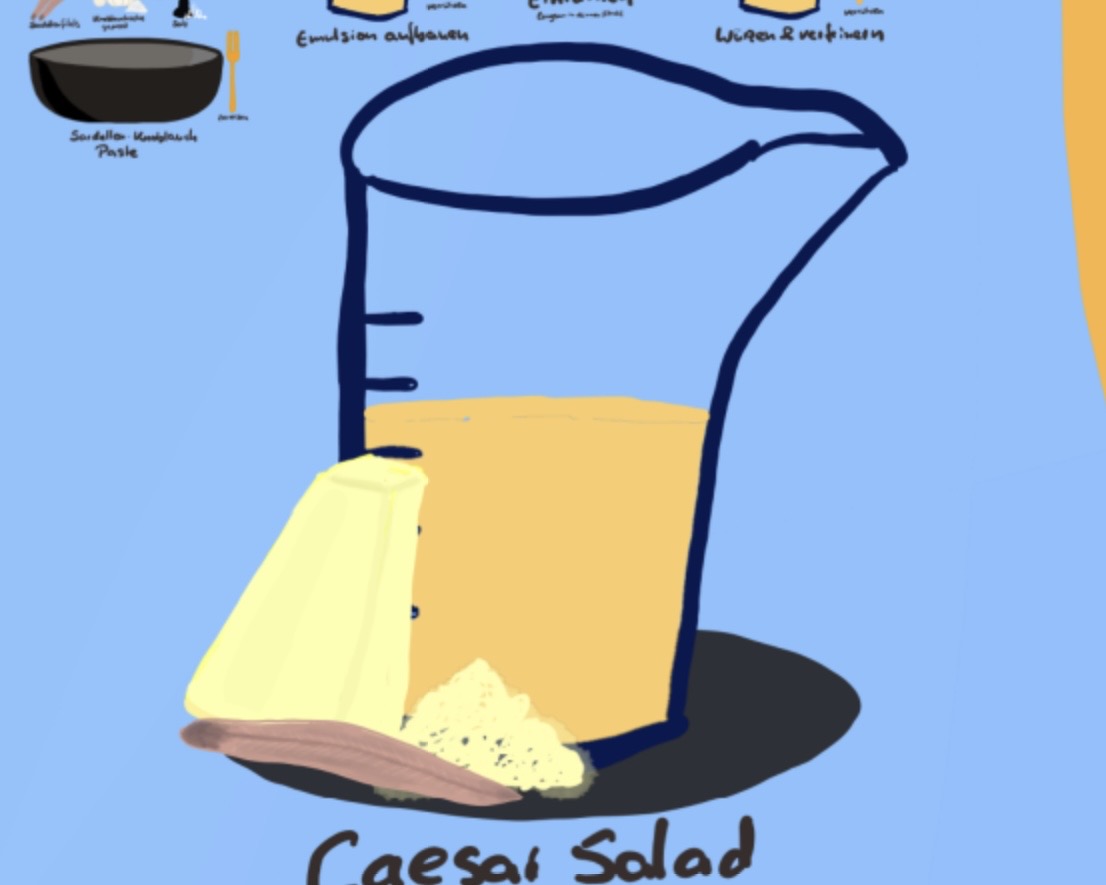
Caesar Salad Dressing
Discover Caesar salad dressing on yummy.world! Classic creamy dressing—bold, savory, and restaurant-style.
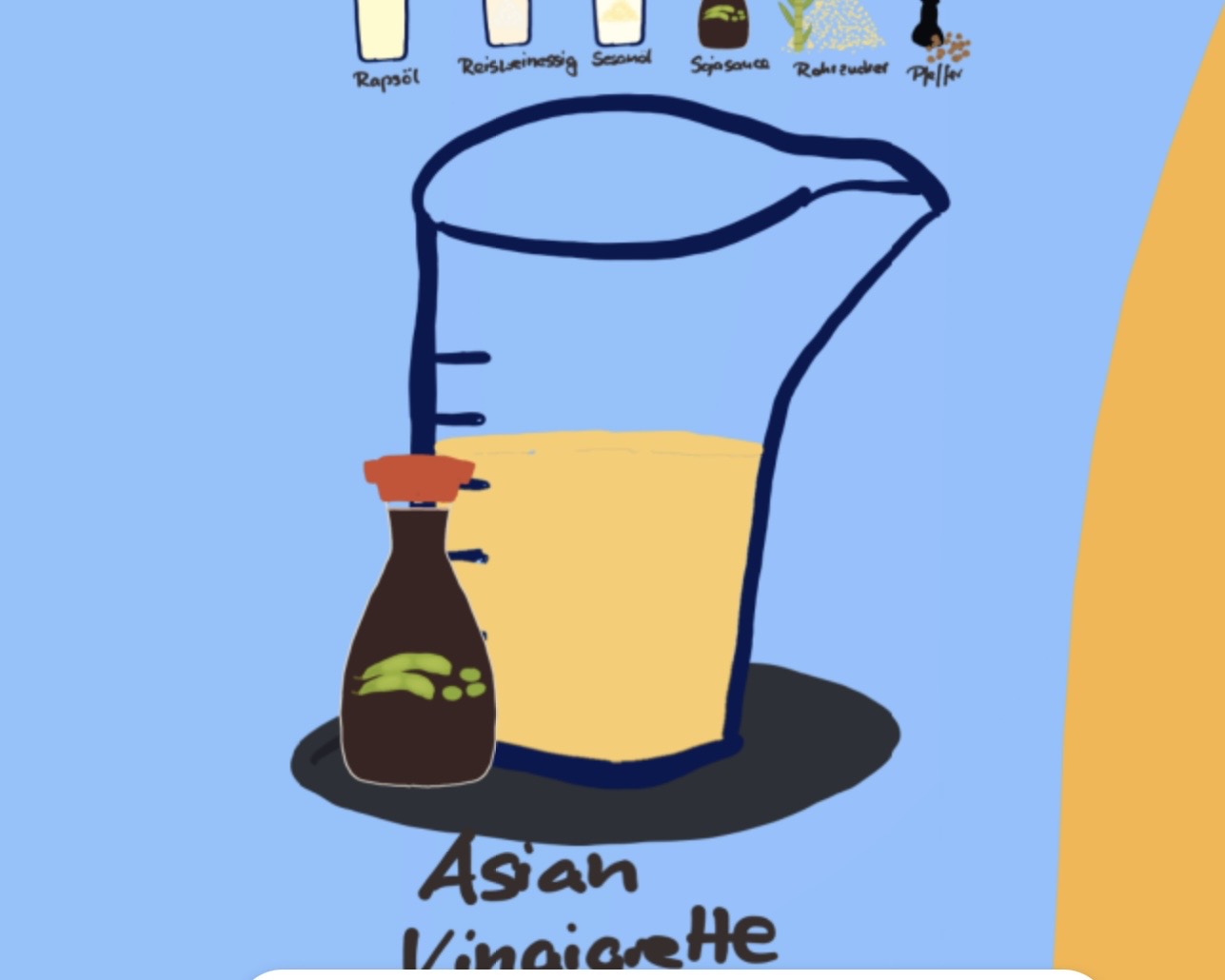
Asian Vinaigrette
Discover Asian vinaigrette on yummy.world! Sesame-ginger dressing—fresh, punchy, and perfect for bowls.
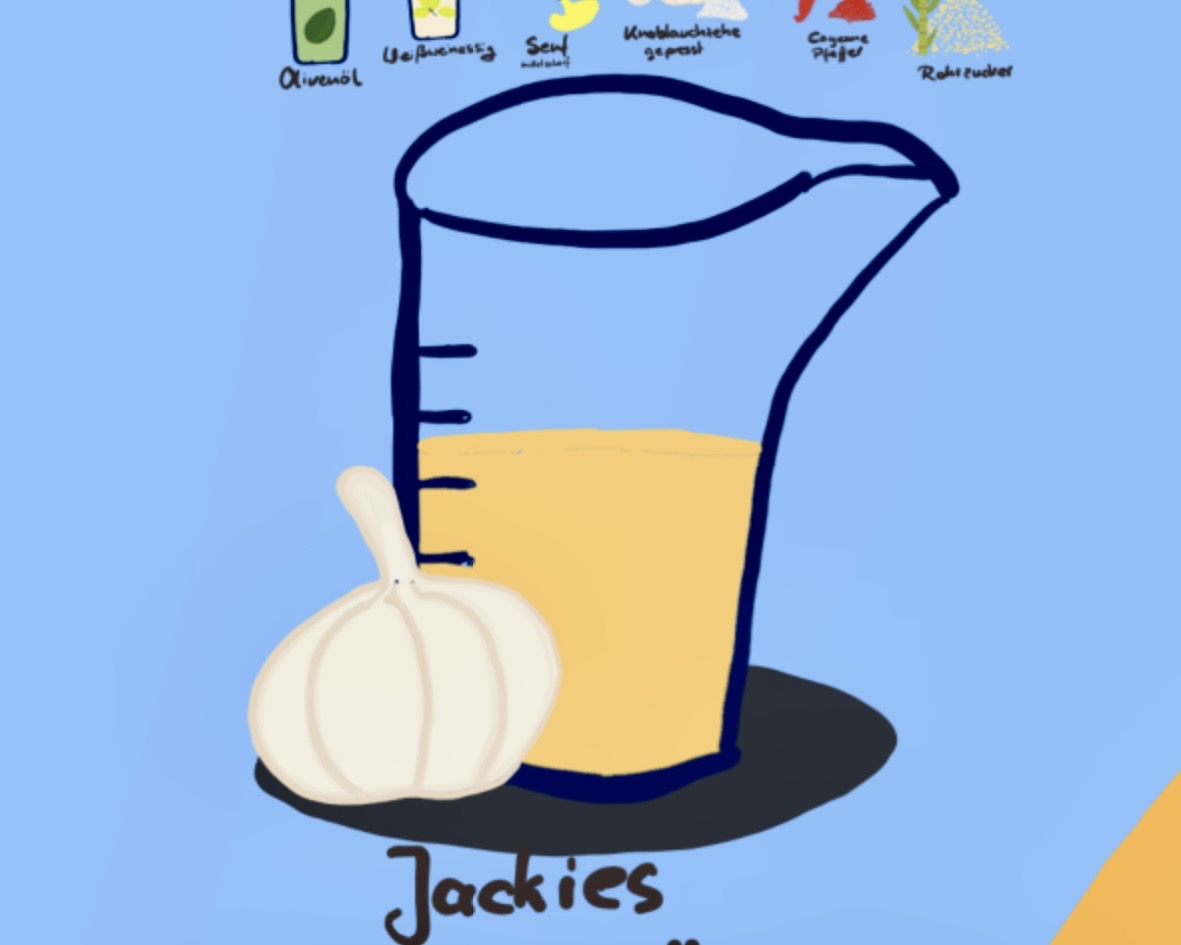
Jackies Vinaigrette
Discover Jackies vinaigrette on yummy.world! Fresh dressing with a kick—great for green salads.

Creamy Vinaigrette
Discover creamy vinaigrette on yummy.world! Smooth, creamy dressing—mild, versatile, and quick to mix.
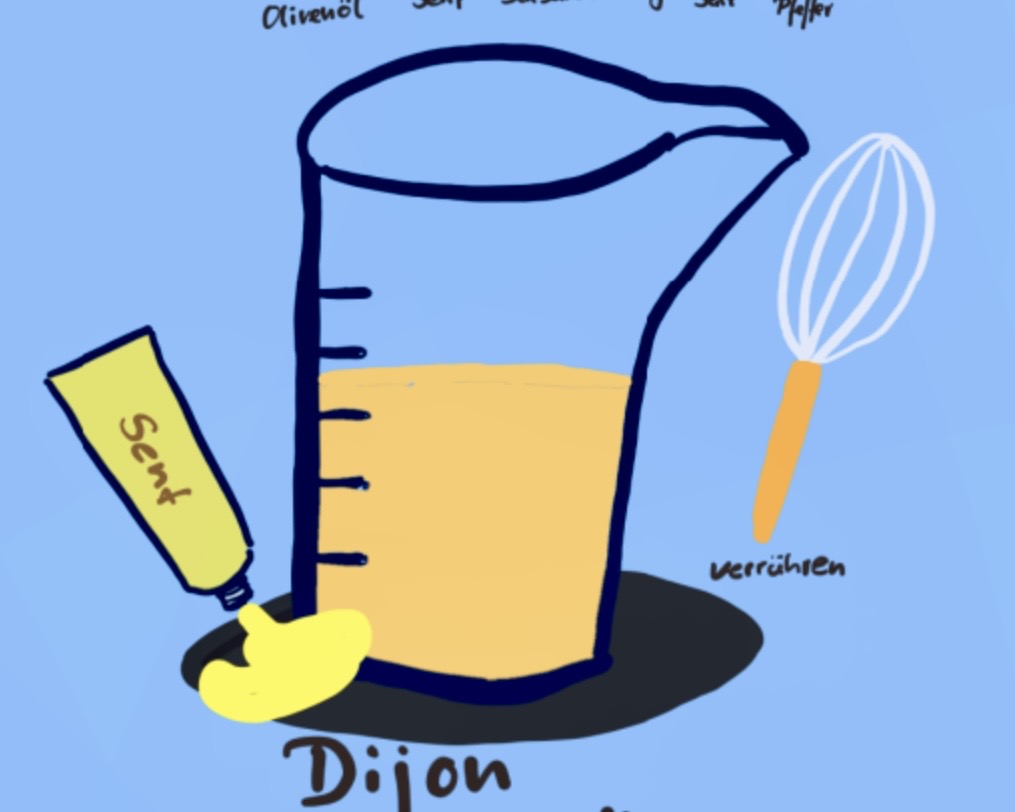
Dijon Vinaigrette
Discover Dijon vinaigrette on yummy.world! Classic mustard dressing—tangy, sharp, and ready in minutes.
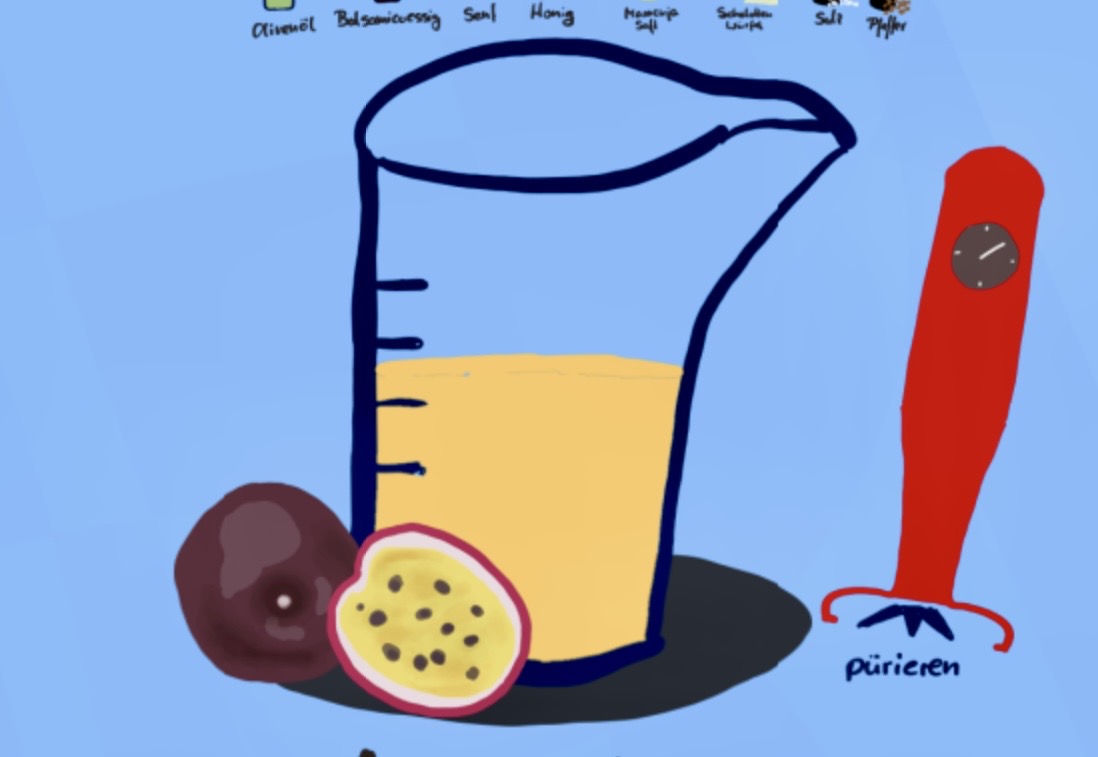
Passion Fruit Vinaigrette
Discover passion fruit vinaigrette on yummy.world! Fruity, tangy dressing—brightens salads instantly.

French Dressing
Discover French dressing on yummy.world! Creamy classic—quick to mix and perfect for crisp salads.
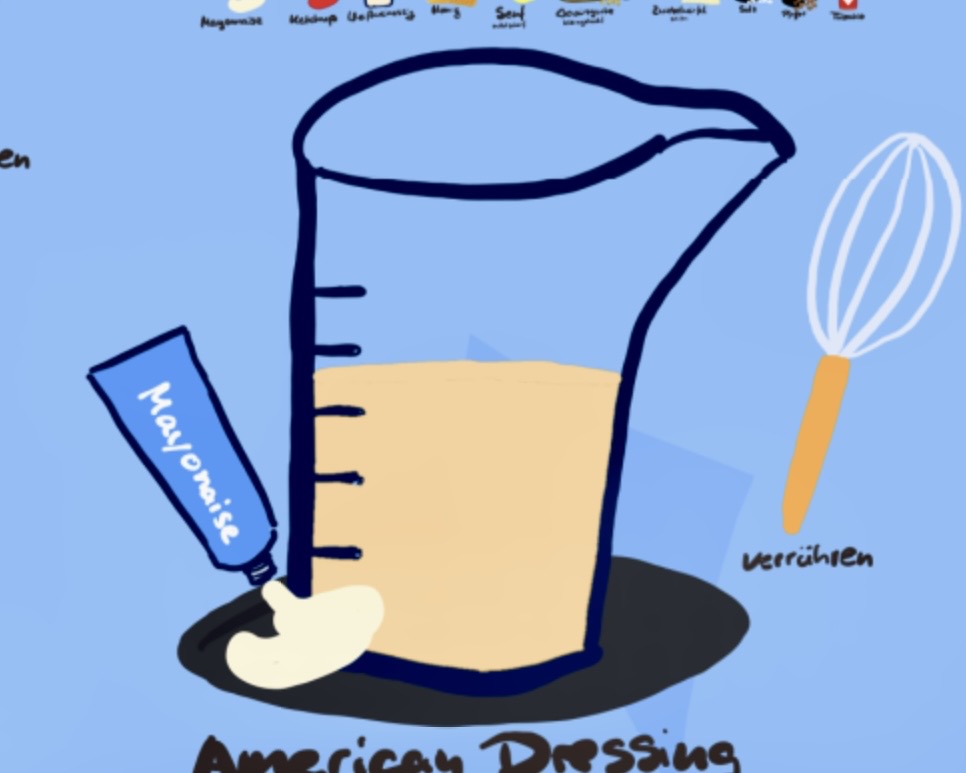
American Dressing
Discover American dressing on yummy.world! Mild, creamy, and family-friendly—great for salads and sandwiches.
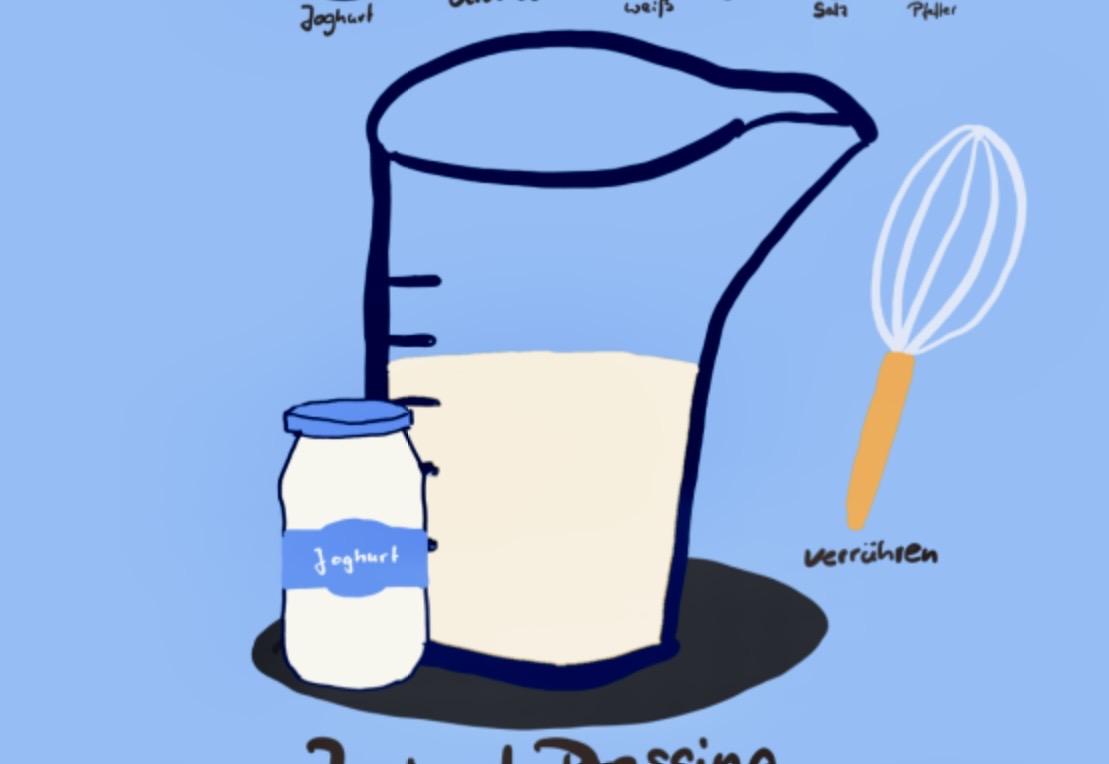
Yogurt Dressing
Discover yogurt dressing on yummy.world! Light, fresh dressing—perfect for salads, bowls, and dipping.