
Yogurt Dressing: Light, fresh & quick salad sauce
Instructions 👩🍳
Cook along on the interactive map
Step-by-step:
- Mix yogurt: Whisk yogurt with lemon juice and a splash of vinegar.
Show all steps...
- Add flavor: Stir in garlic, herbs, salt, and pepper.
- Sweeten (optional): Add a little honey if desired.
- Adjust: Thin with water or milk to desired consistency.
- Serve: Use for salads, bowls, or as a light dip.
Yogurt Dressing: light, creamy, and the quick fresh dressing that goes with almost everything
Yogurt dressing is one of the easiest ways to make a salad, bowl, or vegetable plate feel fresher, lighter, and more complete. With its creamy texture, gentle tang, and clean herbal finish, it gives you all the comfort of a richer dressing without feeling heavy. That is exactly why yogurt dressing works so well for everyday salads, cucumber and tomato bowls, grilled vegetables, wraps, grain bowls, and even as a quick dip. A really good yogurt dressing should taste bright, silky, and balanced, never watery, too sharp, or dull from under-seasoning. Done right, it becomes one of those reliable staple dressings you keep coming back to.
Why yogurt dressing works so well
- Light but creamy: Yogurt gives the dressing body and a smooth mouthfeel without the heaviness of mayo-based sauces.
- Fresh tangy lift: Lemon and a small splash of vinegar brighten the dressing and keep it tasting clean and lively.
- Very versatile: It works on green salads, chopped vegetables, bowls, grilled dishes, wraps, and as a fast cold dip.
- Quick homemade payoff: A few simple ingredients create a dressing that feels fresher and more personal than most bottled options.
- Easy to customize: Herbs, garlic, Dijon, honey, cucumber, or spices can all shift the flavor without losing the light creamy core.
High-Value Tips: How to make yogurt dressing really good
- Use the right yogurt base: Greek yogurt gives the dressing more body and creaminess, while regular yogurt creates a lighter, looser finish. Choose based on how thick you want it.
- Balance lemon and vinegar carefully: Both add freshness, but too much can make the dressing feel sharp instead of refreshing. The goal is a clean tang, not aggressive acidity.
- Whisk until fully smooth: Yogurt dressing should look silky and uniform, not streaky or lumpy. A clean whisked texture makes it coat salad leaves much better.
- Moisture control matters: If the dressing is too thick, thin it gradually with water or milk until it lightly coats the back of a spoon. Too much liquid too quickly makes it weak and runny.
- Use garlic with restraint: Garlic can add great depth, but too much raw garlic easily dominates the whole dressing and hides the fresh yogurt profile.
- Herbs should stay fresh: Dill, parsley, chives, or mint work especially well, but they should taste bright and green rather than overworked or muddy.
- Add honey only if needed: A small touch of sweetness can round out acidity beautifully, but yogurt dressing should still feel savory and fresh.
- Season more than you first expect: Yogurt can soften flavor, so salt, pepper, and acid often need a little extra presence to keep the dressing lively.
- Let it chill briefly: A short rest in the fridge helps the herbs, acid, and yogurt settle into a more rounded flavor.
- Re-whisk before serving: Even a good yogurt dressing can tighten up slightly after chilling, so a quick stir or whisk brings back the best texture.
Variations & alternatives
- Classic yogurt dressing: Yogurt, lemon, vinegar, herbs, salt, pepper, and a little olive oil for a clean, light everyday dressing.
- With Dijon: A little mustard adds extra depth and helps the dressing taste more focused and structured.
- With garlic: A slightly bolder version that works especially well for bowls, grilled vegetables, and wraps.
- With cucumber: Grated cucumber gives the dressing a fresher, tzatziki-style direction.
- With mint or dill: Both herbs bring a cool, bright finish that works beautifully in warm weather.
- Spiced version: A pinch of cumin, paprika, or chili can add warmth and more character without making the dressing heavy.
Serving ideas / pairings
- Green salads: Yogurt dressing is excellent with mixed leaves, cucumber, tomatoes, radishes, and crisp lettuce.
- Bowls and grain salads: It adds freshness to quinoa bowls, couscous salads, roasted vegetable bowls, and lunch plates.
- Grilled dishes: It works especially well with grilled chicken, salmon, vegetables, or flatbreads.
- Wraps and sandwiches: Use it as a light creamy layer in wraps, pita fillings, or lunch sandwiches.
- As a dip: Serve it with raw vegetables, roasted potatoes, or simple snack platters for a fast fresh dip option.
Storage, Meal-Prep & Reheating
Yogurt dressing is excellent for meal prep because it can be mixed ahead and kept ready for several meals. Store it in a sealed jar or airtight container in the fridge and stir or whisk again before serving so the texture turns smooth and even. If it thickens after chilling, loosen it with a very small splash of water, milk, or lemon juice. This dressing should be served cold or cool, so reheating is not needed.
FAQ
Why is my yogurt dressing too thick?
It usually just needs a small splash of water or milk. Thin it gradually so it stays creamy and does not turn runny.
How do I make it less sour?
Use a little less lemon or vinegar, and add a tiny touch of honey if you want to soften the acidity.
Can I make yogurt dressing ahead?
Yes, very well. It is ideal for preparing in advance and using over several salads, bowls, or snacks.
What herbs work best?
Dill, parsley, chives, and mint are especially strong choices because they keep the dressing fresh and clean.
What does yogurt dressing pair best with?
Green salads, cucumber dishes, grain bowls, grilled vegetables, chicken, salmon, wraps, and raw vegetable platters all work especially well.
Best Salad Dressings Recipes to Try at Home

Pineapple Chili Chutney
Discover pineapple chili chutney on yummy.world! Sweet-spicy chutney—perfect with BBQ, cheese, and curries.
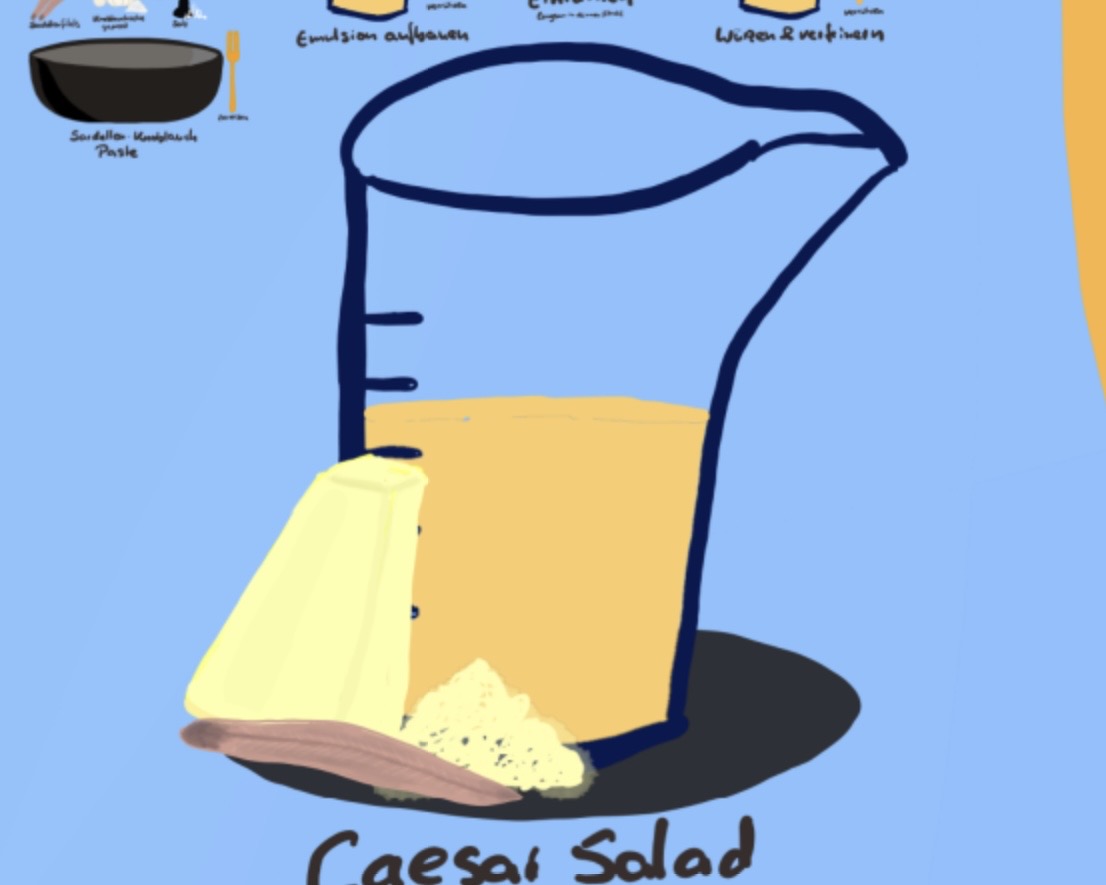
Caesar Salad Dressing
Discover Caesar salad dressing on yummy.world! Classic creamy dressing—bold, savory, and restaurant-style.

Asian Vinaigrette
Discover Asian vinaigrette on yummy.world! Sesame-ginger dressing—fresh, punchy, and perfect for bowls.

Jackies Vinaigrette
Discover Jackies vinaigrette on yummy.world! Fresh dressing with a kick—great for green salads.

Creamy Vinaigrette
Discover creamy vinaigrette on yummy.world! Smooth, creamy dressing—mild, versatile, and quick to mix.
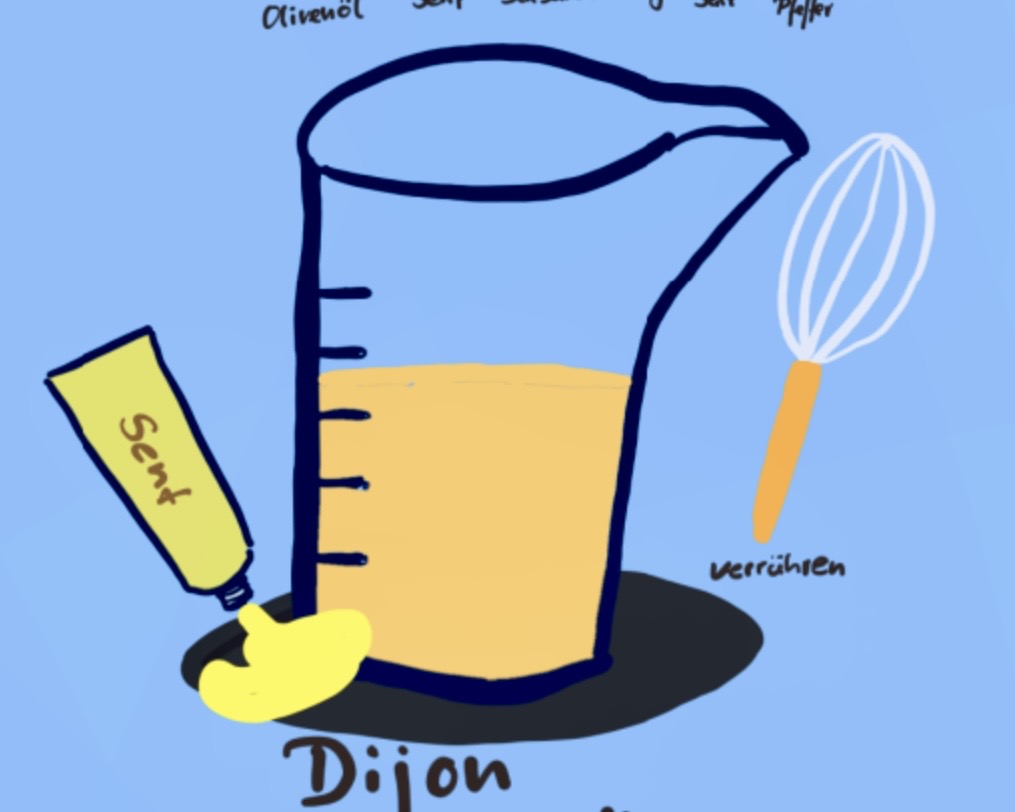
Dijon Vinaigrette
Discover Dijon vinaigrette on yummy.world! Classic mustard dressing—tangy, sharp, and ready in minutes.
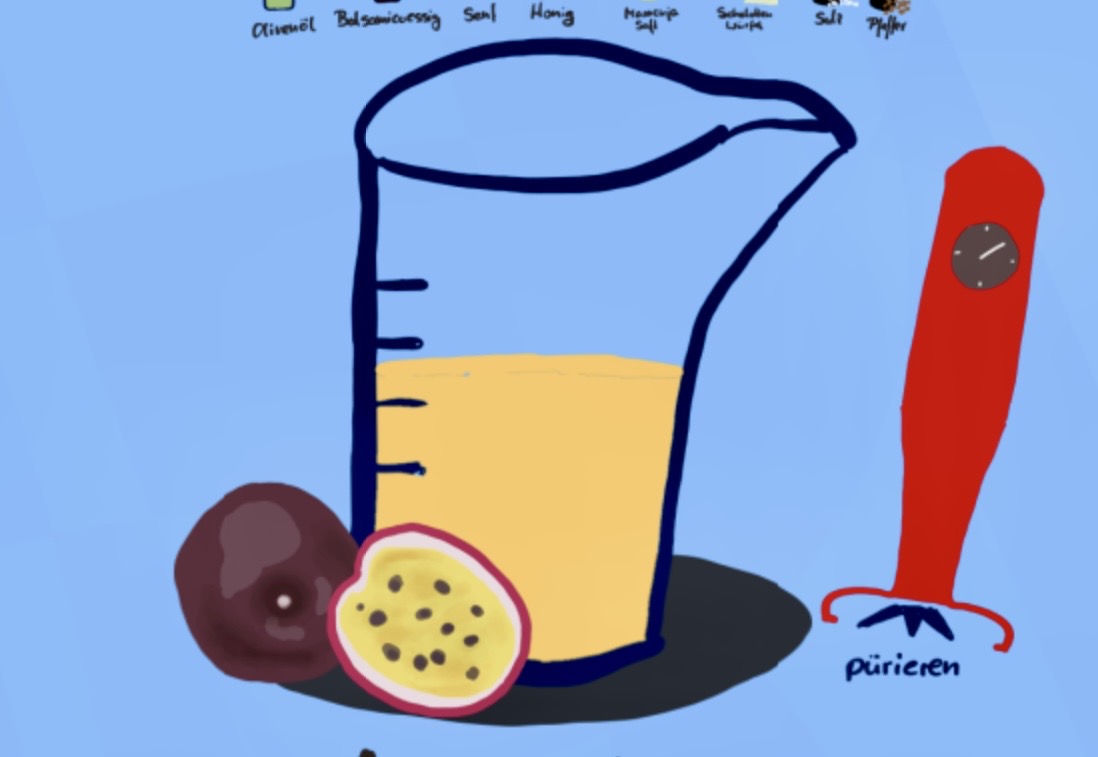
Passion Fruit Vinaigrette
Discover passion fruit vinaigrette on yummy.world! Fruity, tangy dressing—brightens salads instantly.

French Dressing
Discover French dressing on yummy.world! Creamy classic—quick to mix and perfect for crisp salads.
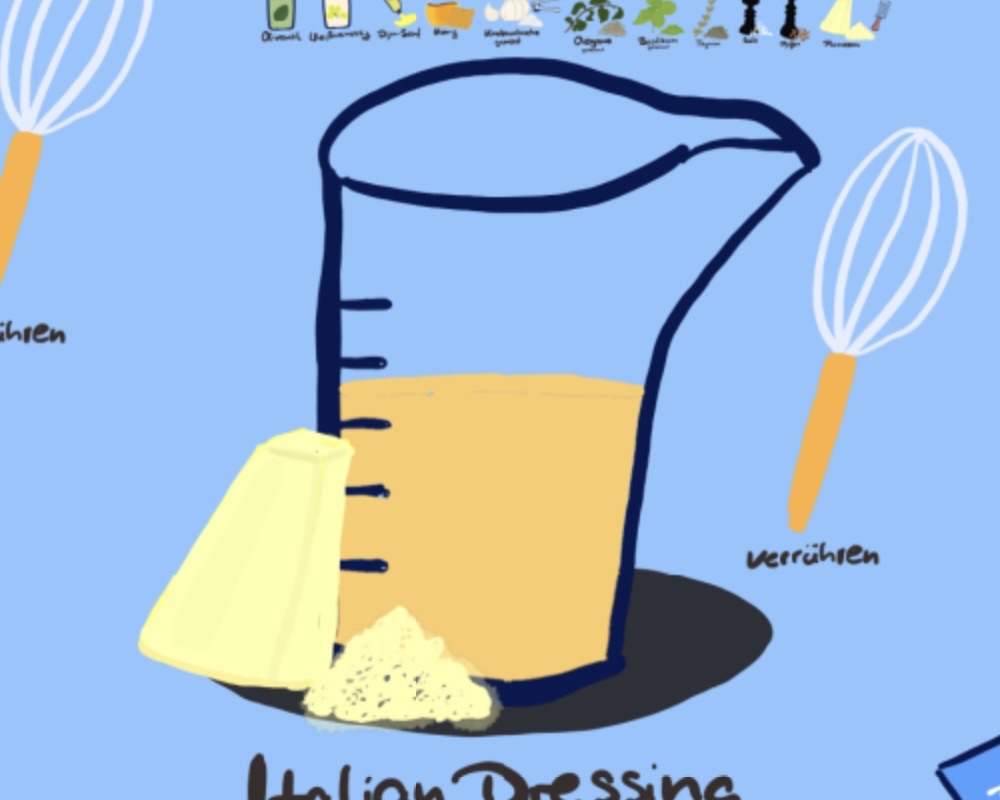
Italian Dressing
Discover Italian dressing on yummy.world! Zesty herb dressing—perfect for salads, bowls, and marinades.

American Dressing
Discover American dressing on yummy.world! Mild, creamy, and family-friendly—great for salads and sandwiches.